What Is a Vape Pen?

Key Takeaways

A Vape Pen is a compact vaping device that heats liquid into vapour using a battery-powered system instead of burning tobacco. It is widely used across the UK as a modern alternative to smoking and is one of the most common vape devices in circulation today. In simple terms, this vape pen device provides a straightforward way to vape without tobacco combustion.

This vape pen device sits within the broader category of types of vape, which includes vape kits, pod systems, and disposable vape options. Each variation is designed to suit different user needs, experience levels, and lifestyle preferences.

What Is a Vape Pen?

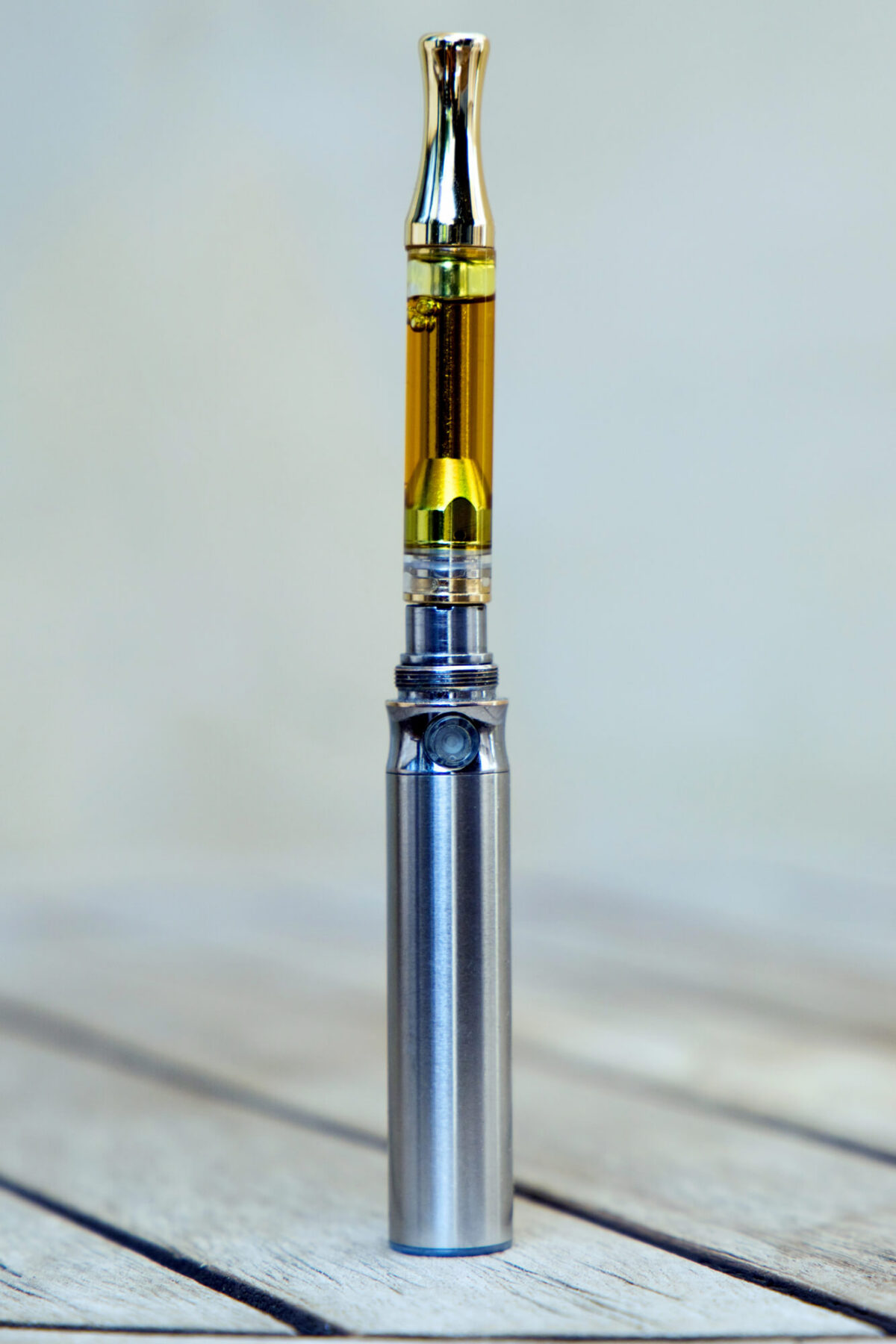
A vape pen is a slim electronic vape device that uses battery power to heat e-liquid into inhalable vapour. It replaces combustion with heating technology and is commonly used in vape kits, pod systems, and disposable vape formats.

Core Components of a Vape Pen Device

A vape pen device is built from a few essential parts that work together to produce vapour. The battery supplies energy, the coil heats the liquid, and the tank or pod stores e-liquid. The mouthpiece delivers vapour to the user.

Modern vape pens on the market are designed with simplified structures, making them easier to use without technical knowledge. This simplicity is one reason they remain popular among beginners.

How Does a Vape Pen Work?

Every vape pen is built around three essential parts that work together each time you take a puff. The battery sits at the base and supplies power, the coil acts as the heating element, and the tank or pod holds your chosen e-liquid. When you press the fire button or simply inhale on draw-activated models, electricity flows to the coil, which warms the liquid soaked into its cotton wick. Within a second or two, that liquid becomes a smooth vapour you breathe in through the mouthpiece.

Because nothing is burned, no smoke, ash, or tar is produced. This is the fundamental difference between vaping and smoking, and it is why the NHS recognises regulated vaping products as a quitting aid for adult smokers, although it stresses that anyone who does not already smoke should never start.

Types of Vapes Used in the UK Market

The types of vape available today are divided into three main categories based on usability and maintenance.

Vape kits are refillable systems that allow coil replacement and e-liquid control. They are preferred by users who want flexibility and long-term use. Many vape kits also offer adjustable airflow and wattage settings.

A disposable vape is a single-use device pre-filled with liquid and a pre-charged battery. It is designed for convenience but has limited lifespan compared to reusable systems.

Pod systems combine elements of both, offering compact size with replaceable pods, making them ideal for portability.

Battery Life and Energy Performance

Battery life determines how long a vape device operates before requiring recharge or replacement. Higher-capacity batteries support longer sessions and more consistent vapour output.

In vape kits, rechargeable batteries provide extended usage cycles and better cost efficiency over time. In contrast, disposable vape products rely on fixed batteries that cannot be recharged once depleted.

Proper battery care improves performance stability and reduces device failure risk.

Mechanism of a Vape Pen

A vape pen device activates when energy from the battery flows to the coil, heating the e-liquid until it becomes vapour. This vapour is then inhaled through the mouthpiece.

Some devices use manual activation through buttons, while others are automatic and respond to inhalation. This difference affects user experience, especially for beginners choosing between simple and advanced systems.

Vape Kits vs Disposable Vape Systems

Vape kits offer long-term usability with refillable tanks, replaceable coils, and rechargeable batteries. They are more cost-efficient and customizable.

Battery life becomes a key factor in vape kit performance because it influences usage duration and charging cycles.

Disposable vape systems are designed for short-term convenience and require no maintenance. Once the battery or liquid ends, the device is discarded.

Safety Considerations for Vape Devices

A vape device should always be used according to the manufacturer’s instructions to avoid overheating or leakage. Low-quality products may pose risks due to poor construction or unregulated ingredients.

Nicotine content varies across vape kits and disposable vape products, making label reading essential before use.

Battery Life Optimization Techniques

Battery performance can be improved by avoiding overcharging and using compatible chargers. Storing the device in moderate temperatures also extends its lifespan.

Frequent heavy usage reduces overall battery cycle life, especially in smaller vape pen devices. Choosing higher-capacity vape kits helps maintain consistent output during extended use.

Environmental Impact of Vape Devices

Disposable vape devices contribute significantly to electronic waste due to their single-use design. Proper disposal and recycling reduce environmental harm.

Recyclable systems and refillable vape kits help reduce waste output while maintaining usability. Responsible disposal practices are essential for sustainability.

Maintenance and Device Longevity

Regular cleaning of the tank or pod improves flavour quality and airflow consistency. Coil replacement prevents burnt taste and ensures smooth vapour production.

Battery contacts should be kept clean to maintain stable energy flow. Proper maintenance extends overall device lifespan and improves safety.

Choosing Between Vape Kits and Vape Pens

Vape kits are suitable for users who want long-term control, better vapour production, and adjustable settings. Vape pens are ideal for simplicity and portability.

Beginners often prefer disposable vape systems, while experienced users shift toward refillable kits for better performance and cost efficiency.

Common Misconceptions About Vape Devices

Not all vape devices operate the same way, despite similar appearance. Performance varies based on coil type, battery strength, and airflow design.

Another misconception is that vaping is completely harmless. While often considered less harmful than smoking, vape devices still contain substances that require responsible use.

A vape pen is a rechargeable, refillable vape device made up of a battery, coil, and tank. It costs less to run than a disposable vape, lasts longer than single-use options, and offers adult smokers a practical, regulated alternative. Choose an MHRA-registered model, charge it sensibly to protect battery life, and recycle every component responsibly when its time is up.

When Were Vapes Invented?

Key Takeaways

Vapes were first conceptualised in 1927 when Joseph Robinson patented a device that delivered medicinal compounds through heated air. The first modern vape design was created by Herbert A Gilbert in 1963, but the first commercially successful electronic cigarette was invented by Chinese pharmacist Hon Lik in 2003. His innovation laid the foundation for today’s vaping products and the modern vaping industry. These milestones answer the common question “when were vapes invented?” and trace the invention of vape technology from early concept to commercial success.

When Were Vapes Invented?

Vapes were invented in stages: Joseph Robinson patented an “electric vaporizer” in 1927, Herbert A Gilbert designed a smokeless cigarette in 1963, and Hon Lik launched the first commercially successful electronic cigarette in 2003, bringing nicotine delivery without burning tobacco to the mass market. If you’re asking who invented vape devices, many credit Hon Lik for the breakthrough that reached consumers, though Robinson and Gilbert contributed key ideas decades earlier.

Timeline of Vape History

Understanding the evolution of vaping technology helps explain how modern devices developed. Many people search terms like “vapes invented” or “when were vapes invented?” to locate these dates; the outline below summarises them.

1927: Joseph Robinson patents an inhalation device using heated air.

1963: Herbert A Gilbert patents a smokeless non-tobacco cigarette.

2003: Chinese pharmacist Hon Lik invents the commercially successful electronic cigarette.

2004: Electronic cigarettes enter the Chinese market.

2006: Vaping products begin expanding across Europe.

2007: Electronic cigarettes become available in the United States.

2014-2019: Rapid innovation drives growth across the global vaping industry.

2020-Present: Increased focus on sustainability, recycling, public health, and product regulation.

Why Was the Electronic Cigarette Invented?

The electronic cigarette was invented to provide an alternative to traditional cigarettes. Understanding the invention of vape devices helps clarify that aim. Inventors sought to eliminate tobacco combustion while maintaining nicotine delivery. Burning tobacco creates thousands of chemicals, many of which are linked to serious health conditions. By producing vapour rather than smoke, electronic cigarettes introduced a different method of nicotine consumption.

How Vaping Differs from Smoking

One of the biggest differences between vaping and smoking is the absence of combustion. Traditional cigarettes burn tobacco to create smoke, while vaping devices heat e-liquid to produce vapour.

Because vaping products do not burn tobacco, they generate significantly fewer combustion-related by-products. This distinction has been central to discussions surrounding smoking cessation and tobacco harm reduction.

Public Health Perspectives on Vaping

Public health organisations continue to evaluate the role of vaping products within smoking cessation strategies. The World Health Organization, the Food and Drug Administration, and the Medicines and Healthcare products Regulatory Agency all monitor emerging research relating to vaping.

While vaping is not considered risk-free, many health experts agree that combustible tobacco remains the leading cause of smoking-related disease. Ongoing studies continue to examine long-term effects, nicotine delivery methods, and population-level health outcomes.

The Role of Regulation in Modern Vaping

As vaping products became more popular, governments introduced regulations designed to improve safety and product quality. In the UK, the Medicines and Healthcare products Regulatory Agency oversees compliance requirements for regulated e-cigarettes.

In the United States, the Food and Drug Administration classifies many vaping products as a tobacco product category and regulates their manufacture, marketing, and sale.

Regulatory frameworks continue evolving as authorities balance consumer protection, public health objectives, and industry innovation.

Environmental Challenges Facing the Vaping Industry

The rise of disposable vape devices has created new waste management challenges. Batteries, plastics, circuit boards, and metal components require specialist processing to prevent environmental harm.

Responsible disposal and recycling programmes help recover valuable resources while reducing landfill waste. Businesses and consumers increasingly rely on dedicated services for disposable vape recycling to ensure devices are managed responsibly at the end of their lifecycle.

How Vape Recycling Supports Sustainability

Modern vape devices contain materials that can often be recovered and reused. Lithium, copper, aluminium, and certain plastics can be extracted through specialist recycling processes.

The growth ofvaping products recycling programmes supports the circular economy by reducing demand for newly extracted raw materials. This approach also helps organisations meet environmental obligations while promoting responsible waste management practices.

How Vaping Evolved After 2003

Once Hon Lik’s design reached Western markets, innovation accelerated at remarkable speed. First-generation “cig-a-likes” mimicked the look of traditional cigarettes, but British entrepreneurs Umer and Tariq Sheikh soon improved the format by inventing the cartomiser, which combined the heating coil and liquid chamber in one unit. By the early 2010s, refillable tank systems and powerful “mods” gave users control over flavour, vapour and strength of nicotine delivery.

A further turning point came in 2015 with the rise of pod systems, compact devices that paired nicotine salt e-liquids with sleek, rechargeable hardware. Nicotine salts allowed higher strengths to be inhaled smoothly, which made the switch easier for adult smokers but also triggered serious concern about youth uptake, particularly in America. Those concerns reshaped advertising rules, flavour restrictions and age-verification standards across many markets, and they continue to influence policy today.

The most recent chapter has been dominated by the disposable vape, a single-use device that surged in popularity from 2019 onwards thanks to its convenience and low upfront cost. That convenience has come with an environmental price, however, as millions of batteries and plastic bodies are discarded weekly, making responsible recycling one of the biggest challenges now facing the vaping industry.

Regulation: From the FDA to the MHRA

As vaping products spread across the globe, governments moved to bring them under control. In the United States, the Food and Drug Administration initially tried to block imports as unapproved drug devices, but a 2010 court ruling determined they should instead be regulated as a tobacco product. Since 2016, the drug administration (FDA) has required authorisation for every e-cigarette sold on the American market.

The United Kingdom took a different path. The Tobacco and Related Products Regulations 2016 capped nicotine strength at 20 mg/ml and limited tank sizes, while the Medicines and Healthcare products Regulatory Agency oversees safety notifications for every product sold. The World Health Organization continues to urge caution worldwide, whereas UK public health bodies have historically been more supportive of regulated e-cigarettes as a harm-reduction tool. From June 2025, the UK went further still and banned the sale of single-use disposables outright to protect young people and the environment.

Vaping and Smoking Cessation: What the Evidence Says

One reason vapes survived early regulatory battles is their role in smoking cessation. Research reviewed by the NHS and Office for Health Improvement and Disparities suggests that adults who switch completely from smoking are exposed to far fewer toxicants, and UK stop-smoking services now frequently recommend vaping as a quitting aid for confirmed smokers. The official guidance from the NHS Better Health service is clear: vaping is not risk-free and is not for non-smokers or children, but it is considerably less harmful than continuing to smoke tobacco.

Independent trials add weight to that position. A landmark UK study published in the New England Journal of Medicine in 2019 found smokers given e-cigarettes alongside behavioural support were almost twice as likely to quit as those using traditional nicotine replacement therapy. Figures like these are why an estimated five million British adults now vape, the majority of them current or former smokers rather than people who never smoked at all.

That balance between opportunity and risk explains why the question of “when were vapes invented?” matters beyond simple curiosity. The technology emerged specifically as an answer to smoking-related disease, and its future will be judged on whether it continues to serve that purpose responsibly.

The Verdict: A Century in the Making

The honest answer to “when were vapes invented?” depends on how you define a vape. The concept was born in 1927 with Joseph Robinson, the modern design was imagined in 1963 by Herbert A Gilbert, and the product the world actually adopted arrived in 2003 thanks to Hon Lik. Nearly a century of invention separates the first patent from the device in your pocket, and the story is still being written through tighter regulation, better technology, and a growing focus on sustainability. From Robinson’s forgotten patent to the rechargeable kits sold on every British high street, each generation refined the same simple goal of delivering vapour instead of smoke, reflecting the broader invention of vape technology over time.