Can You Recycle Vape Pods?

Key Takeaways

Vape pods can be recycled in the UK, but only through authorised recycling centres that accept waste electrical and electronic equipment (WEEE). They cannot go into recycling bins or household waste because they contain liquid residue, plastics, and built-in batteries. Safe disposal requires dropping them at a local recycling centre or an approved vape recycling programme. This is the correct way to recycle vape pods.

Can You Recycle Vape Pods? What UK Users Need to Know

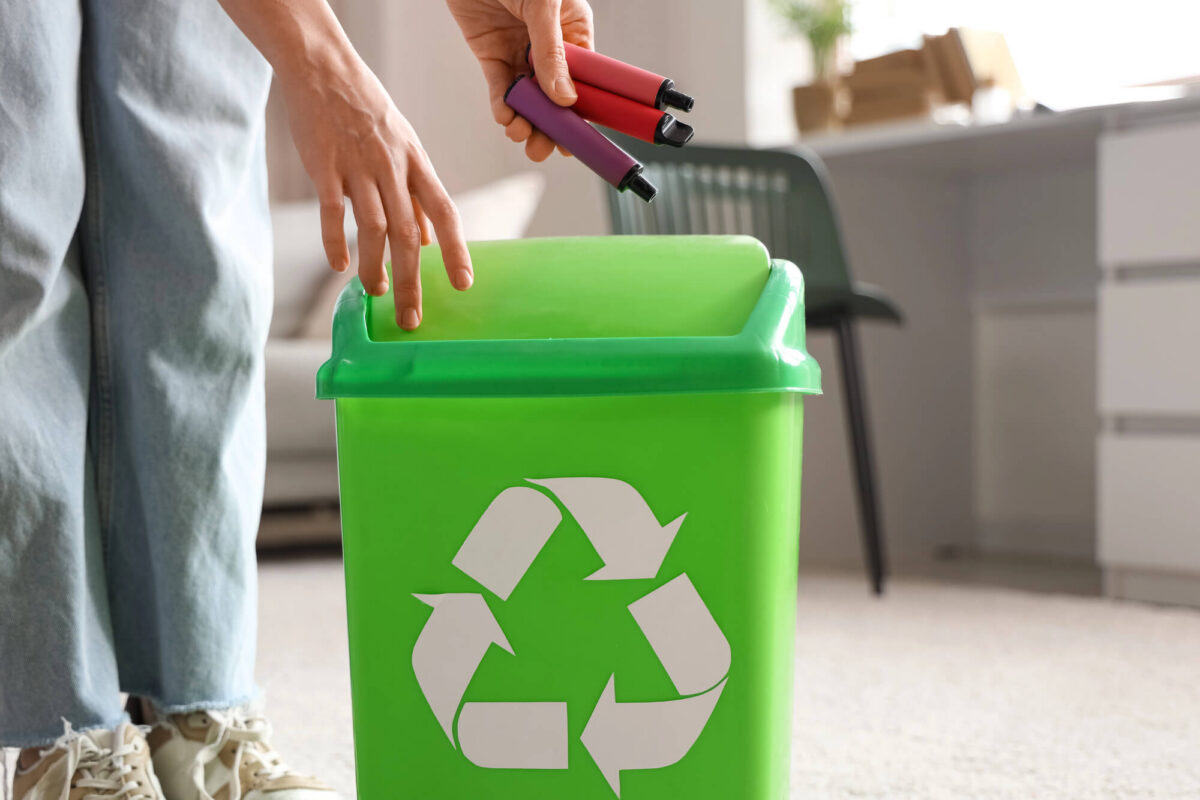
Can You Recycle Vape Pods? This question is important as vaping waste continues to increase across the UK. Vape pods are not designed for household waste or recycling bins because they contain electronic parts, sealed power units, and liquid residue that require specialist treatment.

Under WEEE recycling rules, vape devices are classified as electronic waste. This means they must be processed through approved recycling facilities rather than general waste streams.

Why Vape Pods Are Classed as Electronic Waste

Vape pods are complex products made from mixed materials that cannot be separated easily in standard recycling systems. These include plastic casings, heating coils, liquid chambers, and built-in batteries.

When disposed of incorrectly, liquid residue can leak into the environment and batteries may create fire risks in waste processing systems. This is why proper handling is required through regulated recycling centres.

Can You Recycle Vape Pods at Recycling Centres?

Yes, you can recycle vape pods, but only through designated local recycling centre facilities that accept electronic waste.

These centres follow WEEE guidelines and ensure that each component is separated safely. Metals are recovered, plastics are processed, and batteries are removed for specialist treatment.

Recycling guidance, vape waste solutions, and recycling services, are available in the UK.

Recycling Your Vape: Correct UK Disposal Process

Recycling your vape correctly starts with identifying whether the device has removable components. Some devices allow battery removal, while others are sealed units.

If the battery can be safely removed, it should be placed in a dedicated battery recycling point. If not, the entire device must go to a recycling centre that handles electronic waste.

What Happens Inside Recycling Facilities

At recycling facilities, recycled vape pods are manually sorted before being processed. Plastics are shredded for reuse, metals are extracted for manufacturing, and batteries are isolated to prevent contamination.

Special systems are used to handle liquid residue safely, preventing chemical leakage into soil or water systems. This controlled environment ensures compliance with environmental regulations.

Disposable Vape Waste and Environmental Pressure

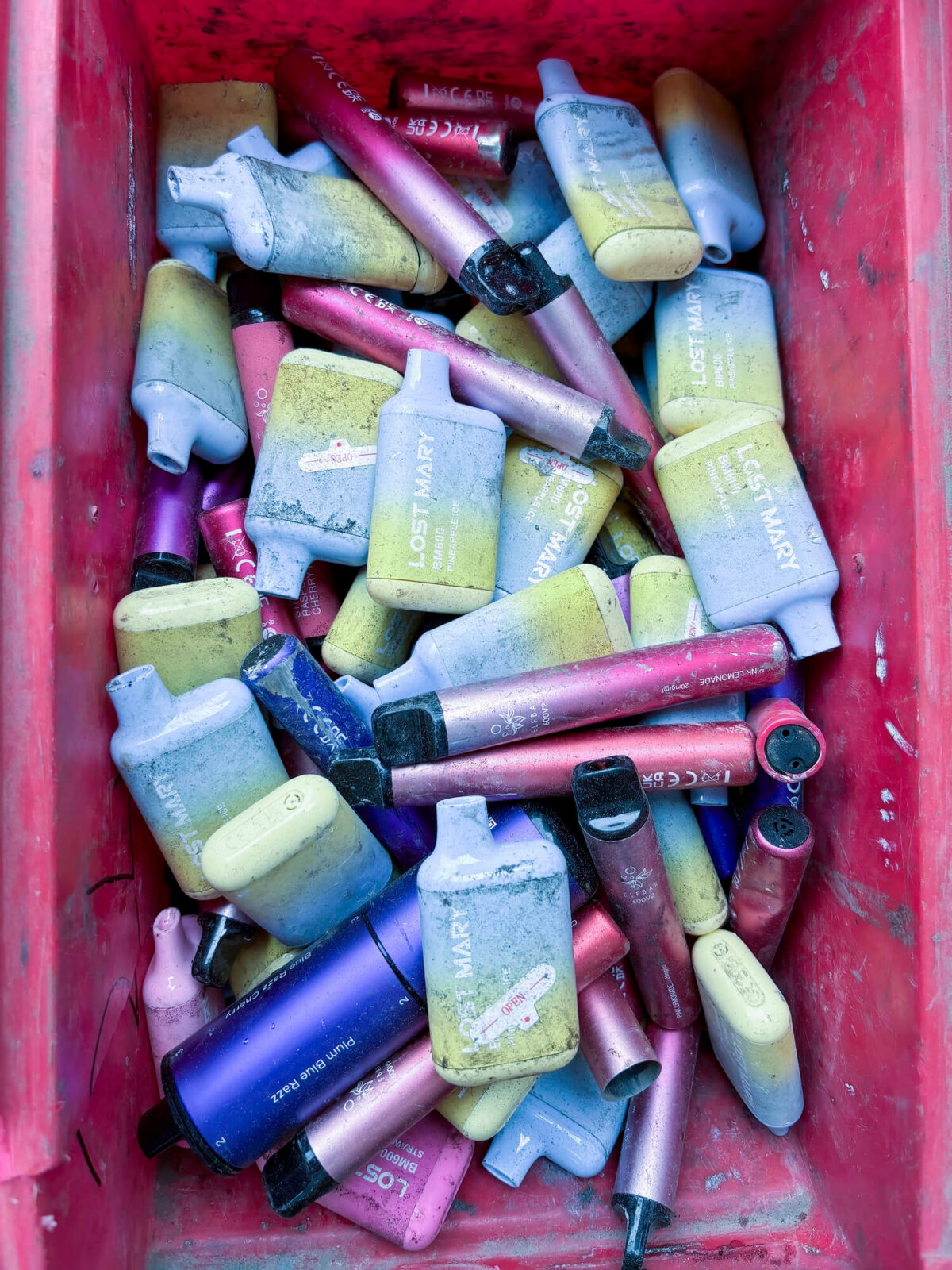
A disposable vape increases environmental pressure because it is designed for single use and cannot be refilled or repaired. This leads to higher volumes of electronic waste entering recycling systems.

Proper disposal is essential to reduce landfill impact and improve recovery of reusable materials. Dedicated systems for single-use devices are becoming more common across the UK.

Built In Batteries and Safety Risks

Many vape pods include built in batteries that must never be placed in recycling bins or household waste. These batteries contain lithium, which can become hazardous if damaged.

Battery recycle stations are designed to safely collect and process these components, preventing fire hazards and enabling material recovery for reuse in new electronics.

Liquid Residue and Environmental Risk

One of the biggest risks in vape disposal is liquid residue. Even small amounts can contaminate soil and water systems if not handled correctly.

This is why vape pods must be sealed and transported to recycling centres instead of being opened or thrown into general waste streams.

Step-by-Step Safe Disposal Guide

Safe disposal begins by stopping use of the vape device and ensuring it is not damaged. If possible, remove any detachable battery and take it to a battery recycling point.

The remaining pod should be placed in electronic waste collection systems at authorised recycling centres. This ensures all materials are processed under WEEE recycling regulations.

Why Correct Recycling Improves Sustainability

Proper recycling reduces environmental pollution, prevents hazardous leakage, and supports material recovery systems. Metals and plastics from vape pods can be reused in manufacturing, reducing demand for raw materials.

This contributes to a more circular economy and reduces overall electronic waste generation across the UK.

Vape Waste Statistics

Key Takeaways

Vape Waste Statistics show a rapidly increasing environmental challenge driven by disposable vapes, disposable e-cigarettes, and single-use vapes. Across the UK, millions of vape devices are discarded every month, creating pressure on recycling centres, recycling points, and waste electrical systems. In June 2025, rising volumes of vape waste containing lithium-ion batteries have been strongly linked to fires in bin lorries, dangerous fires in bins, and growing incidents of battery fires in waste processing environments. Recent vape waste statistics also reflect UK-wide patterns in battery-related incidents and infrastructure strain.

These statistics highlight a wider issue: vape waste is no longer a minor waste stream, but a fast-growing electronic waste category requiring urgent recycling action and stronger regulation.

What Vape Waste Statistics Show About Disposable Vapes

Vape Waste Statistics indicate that disposable vapes account for a significant portion of electronic waste growth in the UK. Many devices are designed for short-term use, yet they contain complex materials such as plastics, metals, and lithium-ion batteries that require specialist processing.

Estimates suggest that a million vapes are discarded annually, contributing to landfill overflow and contamination of waste electrical systems. Without proper disposal routes, these items increase environmental pressure and reduce recycling efficiency across national waste infrastructure. In sum, what vape waste statistics show about disposable vapes is a growing need for safer collection and treatment.

A key solution is improved collection through structured programmes, which ensures single-use devices are safely processed instead of entering general waste streams.

Lithium-Ion Batteries and Rising Fire Risks

A major concern within Vape Waste Statistics is the unsafe disposal of lithium-ion batteries found in most vape devices. When damaged or crushed, these batteries can overheat and trigger battery fires, especially in compacted waste environments.

Waste operators report increasing incidents of fires in bin lorries caused by incorrectly discarded vape devices. These events create serious risks for workers and damage recycling infrastructure. The issue is intensified by growing volumes of rechargeable vapes entering waste systems without proper separation.

Safer handling practices and dedicated processing systems are essential to reduce these risks and improve long-term safety outcomes.

UK Recycling Pressure and Waste Electricals Challenges

Vape Waste Statistics in the UK show increasing pressure on recycling centres and recycling points as vape consumption continues to rise. Many devices are incorrectly disposed of in general waste instead of being processed through approved electronic waste streams.

Recycling facilities are now required to manage higher volumes of waste electricals, including vapes and pods, which often contain mixed materials that are difficult to separate. This slows down processing and increases contamination risks in recycling systems.

Government-backed environmental guidance encourages better public awareness and structured recycling systems, including initiatives supported through rechargeable vape recycling, which promotes safer disposal of reusable vape devices and reduces landfill dependency.

Environmental Impact of Growing Vape Waste

The environmental effects highlighted in Vape Waste Statistics include soil contamination, plastic pollution, and increased strain on landfill capacity. Disposable e-cigarettes often contain non-biodegradable components that remain in the environment for long periods.

When improperly discarded, vape waste contributes to long-term ecological damage and increases pressure on recycling facilities already managing high volumes of electronic waste. These challenges are compounded by rising consumption trends and limited consumer awareness of correct disposal methods.

How Recycling Systems Are Responding

Recycling centres are adapting to rising vape waste by improving sorting systems, increasing battery separation processes, and expanding electronic waste handling capabilities. These improvements aim to reduce contamination and improve recovery of valuable materials such as metals and plastics.

Organisations involved in waste management are also focusing on safer education campaigns and improved collection networks. More detailed information about industry practices and environmental responsibility can be found through vape recycling solutions, which outline structured approaches to reducing environmental harm from vape waste.

Future Outlook for Vape Waste Statistics

Future Vape Waste Statistics are expected to shift as regulations on single-use vapes become stricter and consumer behaviour changes toward reusable alternatives. Governments are increasingly targeting disposable vape production to reduce environmental strain.

Advances in recycling technology will improve the recovery of lithium-ion batteries and reduce fire risks across recycling facilities. Over time, improved infrastructure and stronger compliance rules are expected to significantly reduce vape waste pollution and improve sustainability outcomes.

Vape Waste Statistics show that millions of disposable vapes are discarded each year in the UK, creating growing environmental and safety risks due to lithium-ion batteries. Improper disposal leads to fires in bin lorries, dangerous fires in bins, and pressure on recycling centres and waste electrical systems. Expanding recycling points and improving vape recycling programmes are essential to reduce environmental harm and improve safety. These insights summarise what vape waste statistics show about disposable vapes and why better recycling systems matter.

Why Are They Banning Disposable Vapes?

Key Takeaways

The June 2025 vapes ban had restricted the sale and supply of single-use vapes and encouraged safer, reusable alternatives.  

Disposable vapes have become widely used vaping products, but their rapid rise has created serious concerns about youth vaping, waste management, and long-term sustainability.

The UK vapes ban is designed to control the growing use of single-use vapes while encouraging safer and more environmentally responsible alternatives.

Youth Vaping and Why It Matters

A major factor behind the ban is youth vaping. Disposable vapes are often flavoured and brightly packaged, which makes them appealing to young people who may not have previously used nicotine products.

Health experts warn that early exposure to nicotine can lead to addiction and may affect brain development in young users. Schools and public health organisations continue to report increasing cases of vaping among students.

Because of this, the government is tightening rules around sale and supply, especially targeting retail and online access to reduce underage consumption.

Environmental Impact of Disposable Vapes

Disposable vapes create a serious environmental challenge because they combine plastic, electronic parts, and lithium batteries in a single device. When thrown away, they often end up in general waste collected by bin lorries instead of being properly processed.

This leads to increased landfill waste, fire risks, and contamination of recycling systems. Many users are unaware that vaping products require specialist disposal.

A proper recycling point is essential, yet many disposable vapes are still not disposed of correctly. These recycling points will help ensure safer processing of used devices.

June 2025 Vapes Ban: Sale and Supply Changes

The UK government is introducing stricter controls on vaping products in June 2025, focusing on restricting the sale and supply of disposable vapes. Some summaries even state “disposable vapes were banned in the UK in June 2025,” but in practice, these measures focus on restricting the sale and supply of single-use devices rather than a blanket, overnight prohibition.

Retailers will need to comply with updated rules or risk penalties. The goal is to reduce the availability of single-use vapes and shift consumers toward more sustainable alternatives.

This regulatory change is part of a wider effort to reduce environmental waste and protect young people from nicotine exposure

Single-Use Vapes vs Sustainable Alternatives

Single-use vapes are designed for short-term use and disposal, which contributes heavily to waste problems. In contrast, reusable vaping products allow users to refill and recharge devices, reducing long-term environmental impact.

Proper disposal remains important even for reusable systems. Services such as vape battery recycling help prevent lithium batteries from entering landfills, where they can cause environmental harm.

This shift toward reusable systems is a key part of the UK’s long-term sustainability strategy.

Impact on Businesses and Consumers

The vape ban will affect both consumers and retailers. Consumers will see fewer disposable vaping products available, while businesses must ensure compliance with new sale and supply regulations.

Retailers are expected to adapt quickly to avoid penalties when the June 2025 rules take full effect.

The overall aim is to reduce youth vaping, improve safety standards, and minimise environmental damage caused by disposable products.

Recycling and Environmental Responsibility

Many vaping devices are still not disposed of correctly, even though they contain materials that require special handling. Users are encouraged to use proper recycling systems instead of general waste disposal.

Information on rechargeable vape recycling provides guidance on how to manage reusable devices responsibly and reduce environmental impact.

Better recycling habits can significantly reduce pollution and improve the recovery of valuable materials like lithium.

Q&A

Question: Is the UK banning disposable vapes outright in June 2025?

Short answer: The June 2025 changes focus on restricting the sale and supply of single-use vapes rather than imposing an immediate, blanket prohibition. Retailers will need to comply with updated rules or face penalties, to reduce availability and steering users toward safer, reusable alternatives.

Question: Why are disposable vapes being targeted instead of all vaping products?

Short answer: Disposable vapes are singled out due to their strong appeal to young people, thanks to flavours and bright packaging, and their significant environmental footprint. Health experts warn that early nicotine exposure can lead to addiction and affect brain development, while disposables create plastic, electronic, and lithium battery waste that’s hard to manage.

Question: What environmental risks do disposable vapes pose, and why is specialist disposal important?

Short answer: When thrown in general waste, disposables contribute to landfill growth, contaminate recycling streams, and raise fire risks (for example, in bin lorries) because of lithium batteries. Specialist recycling points ensure safer processing and help recover valuable materials, which is why users are urged not to discard vapes with regular rubbish.

Question: What are the sustainable alternatives to single-use vapes?

Short answer: Reusable vaping products that can be refilled and recharged are the preferred alternatives, as they reduce long-term waste. Even so, proper end-of-life handling remains essential—services like vape and battery recycling help keep lithium out of landfills and minimise environmental harm.

Do Vapes Have Lithium Batteries?

Key Takeaways

Nearly all modern vaping devices use lithium-ion batteries to supply power for heating e-liquid into vapour. These batteries are chosen because they are compact, rechargeable, and energy efficient, making them ideal for disposable vapes, pod systems, and advanced vape kits. In short, most vapes have lithium batteries because they balance size, safety features, and performance.

In the UK, these batteries are regulated under electronic waste rules because they can pose fire risks if damaged or disposed of incorrectly.

Do Vapes Have Lithium Batteries? How They Actually Work

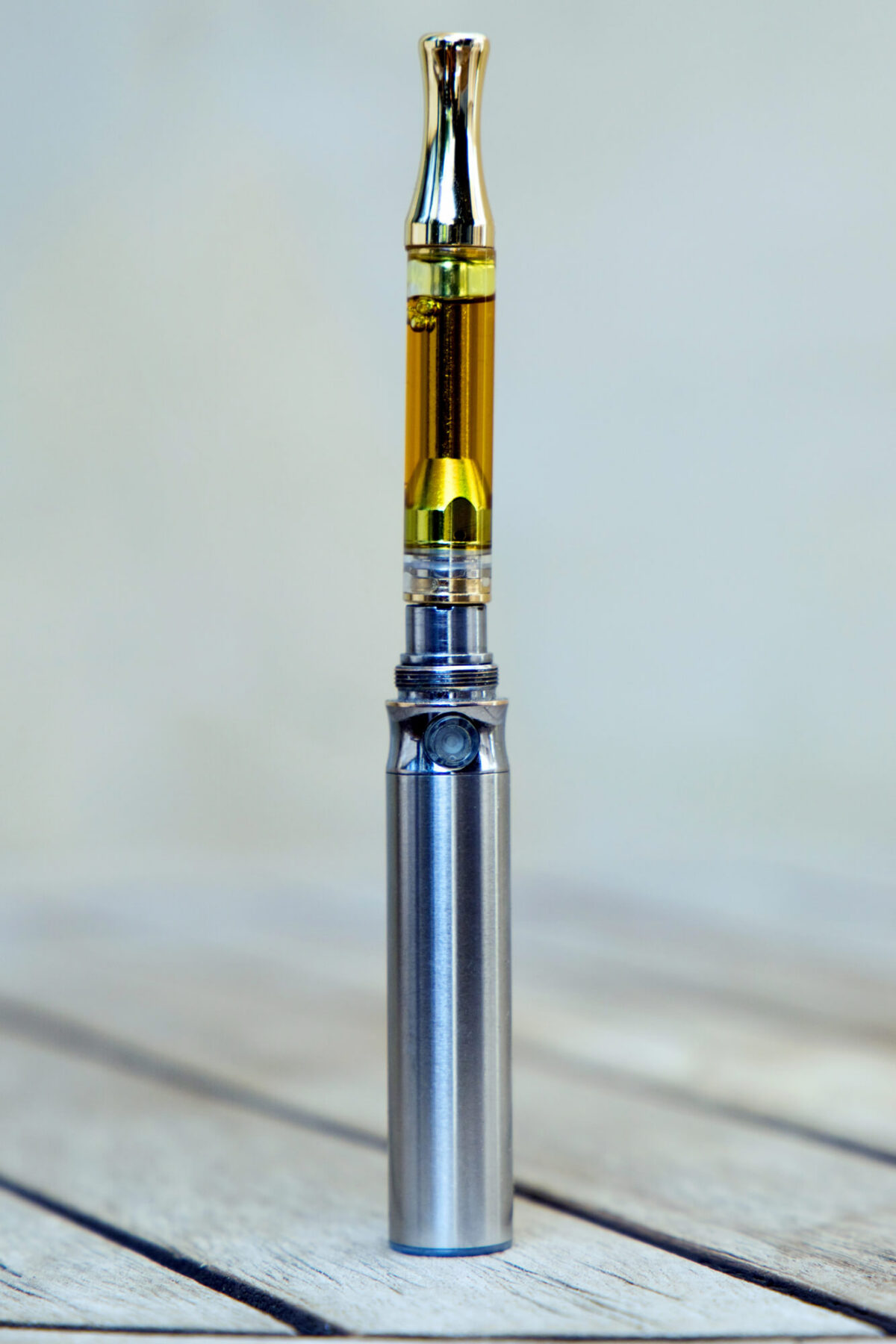
Lithium batteries in vapes store electrical energy and release it to heat a coil inside the device. This coil vaporises the e-liquid, creating inhalable vapour.

Unlike older battery technologies, lithium-ion cells provide stable voltage output, which improves vapour consistency and device performance. This is why vaping devices rely almost entirely on this battery type.

Types of Lithium Vape Batteries

Vape devices use different lithium battery configurations depending on design and usage.

Built-in lithium batteries are permanently sealed inside disposable vapes and cannot be removed. Rechargeable internal batteries are found in pod systems and charged through USB connections. Removable lithium cells are used in advanced vape kits and can be replaced when performance drops.

When choosing lithium batteries for vape, stick to reputable brands and the specifications recommended by the manufacturer.

For proper recycling practices and safe handling guidance, UK users have been researching a vape battery recycling guide that explains safe disposal methods for all battery types.

Are Lithium Batteries in Vapes Safe?

Lithium batteries are safe when used correctly, but they require responsible handling. Risks occur when batteries are damaged, overcharged, or exposed to heat.

Common issues include overheating, swelling, and rare fire incidents caused by physical damage or poor-quality charging equipment. These risks are not frequent but are important to understand for safe vaping.

UK Vape Battery Disposal Rules

Vapes must never be placed in general household bins because lithium batteries can ignite under pressure or heat in waste facilities.

Instead, users should recycle devices through approved systems such as disposable vape recycling in UK which is designed specifically for single-use vape products.

Rechargeable devices should be processed through rechargeable vape recycling companies where batteries are safely removed and materials recovered.

These systems help reduce landfill fires and improve material recovery rates across the UK.

Environmental Impact of Vape Lithium Batteries

Vape waste is increasing due to the popularity of disposable devices. Since each unit contains a lithium battery, improper disposal contributes to electronic waste buildup.

This impacts recycling systems, increases landfill contamination risks, and contributes to unnecessary lithium extraction.

Environmental discussions on platforms such as thecooldown.com and scoop.it highlight growing concerns about battery waste. Industry insights from pharmacompass.com, smoko.com, rosewoodatx.com, vapmr.com, large-battery.com, duritydistribution.com, nyx.cz, snagvape.com, and the overspill. blog also show how battery management is becoming a global sustainability issue.

How to Recycle Vape Batteries Properly

Recycling lithium vape batteries allows valuable materials such as lithium, cobalt, and nickel to be recovered and reused.

This reduces mining demand and lowers environmental damage. In the UK, recycling can be done at household waste centres, vape shops, and dedicated collection points.

For safer disposal education and compliance, users should research vape battery recycling information, which explains how recycling systems are structured and why they matter.

Are All Vape Batteries the Same?

Key Takeaways

All vape batteries are not the same. Vape batteries differ in chemistry (usually lithium-ion batteries), capacity, continuous discharge rating, size, and safety features. Some are integrated batteries built into devices, while others are removable batteries used in vape mods. These differences affect power output, safety, and compatibility with your device.

Are All Vape Batteries the Same?

The reality is that vape batteries vary significantly in design, performance, and safety standards. Choosing the correct battery for your device directly impacts vaping safety, battery charging efficiency, and long-term device reliability.

Understanding these differences helps prevent issues like short circuit failures, overheating, and reduced battery lifespan.

What Makes Vape Batteries Different?

Vape batteries are not universal. They are designed with different specifications depending on the device they power. The most common type of battery used is lithium-ion batteries, known for stable energy output and rechargeability.

The main differences include:

  • Battery capacity (higher capacity = longer usage time)

  • Power output (affects vapour production strength)

  • Battery structure (integrated batteries vs removable batteries)

  • Safety features (overcharge and short circuit protection)

For a deeper technical breakdown of vape battery structures and safety design, you can review this detailed resource:

Integrated Batteries vs Removable Batteries

Integrated batteries are built directly into vape devices. They are simple, low-maintenance, and ideal for beginners. These systems rely on direct battery charging through USB ports and are commonly used in compact vape kits.

Removable batteries are designed for advanced users and vape mods. These replaceable batteries offer more flexibility, allowing users to swap power sources when needed. They also support higher powered vaping and longer usage cycles.

Choosing between them depends on experience level, usage habits, and device compatibility.

Choosing the Right Battery for Your Device

Choosing the right battery for your device is one of the most important decisions in vaping safety. Using incompatible batteries can reduce performance or cause device failure.

Key factors to consider include voltage compatibility, continuous discharge rating, and physical battery size. A mismatched battery can lead to unstable power output or overheating.

Advanced users often prefer removable batteries because they support higher-powered vaping and better performance control, while beginners benefit from integrated systems.

Battery Capacity, Power Output & Performance

Battery capacity determines how long a vape lasts before requiring battery charging. Higher-capacity batteries are ideal for frequent users because they provide extended usage time.

Power output affects vapour density and flavour intensity. Devices requiring higher power output must use batteries designed for stable energy delivery.

Understanding continuous discharge rating is essential because it defines how safely a battery can release energy without overheating or damage.

Battery Safety: Essential Practices for UK Users

Battery safety is critical for preventing accidents and maintaining device performance. Lithium-ion batteries must be handled carefully to avoid risks such as short circuit, overheating, or leakage.

Avoiding overcharging is one of the most important safety steps. Leaving batteries connected to chargers longer than necessary can reduce lifespan and damage internal cells.

Proper storage also matters. Batteries should always be stored in protective cases away from heat, moisture, and metal objects.

Higher Capacity vs Higher Powered Batteries

Higher capacity batteries are designed for longer usage time, making them suitable for daily vaping without frequent charging. Higher-powered batteries, however, are designed for stronger performance and are often used in vape mods.

While both improve the vaping experience, safety features must always be considered. Not every device supports high power output, so compatibility is essential.

A mismatch between battery type and device can reduce efficiency or damage internal components.

Battery Charging and Maintenance Best Practices

Proper battery charging improves both performance and lifespan. Always use recommended chargers designed for rechargeable batteries.

Avoiding overcharging helps maintain cell health and prevents overheating. Charging should be monitored and stopped once fully charged.

Maintenance also includes keeping batteries clean and ensuring terminals are free from dust or residue. Damaged batteries should never be reused.

Safety Features in Modern Vape Batteries

Modern vape batteries include built-in safety features designed to protect users and devices. These include:

  • Short circuit protection

  • Overcharge protection

  • Temperature regulation

  • Over-discharge prevention

These systems improve reliability, but user responsibility is still essential for safe operation.

Environmental Responsibility and Recycling

Vape batteries should never be disposed of in general waste due to the chemicals inside lithium-ion batteries. Proper recycling ensures safe environmental handling and material recovery.

Users in the UK are encouraged to recycle used batteries through approved systems that support safe disposal and sustainability practices.

Common Mistakes to Avoid

Many vape users unknowingly reduce battery life by making avoidable mistakes. These include using incorrect chargers, ignoring compatibility requirements, and exposing batteries to heat or moisture.

Another common issue is mixing old and new batteries in devices that require multiple cells. This creates an imbalance and increases safety risks.


How Long Do Vape Batteries Last?

Key Takeaways

Understanding how long a vape battery lasts is essential for anyone using a vape device, vape pen, vape mod, or complete vape kits. The answer is not fixed because vape battery lifespan depends on MAH ratings, charge cycle usage, battery capacity, and how often your vape is required in daily routines. Most vape batteries gradually weaken over time rather than failing suddenly, which directly impacts vaping experience and device performance. 

How Long Does a Vape Battery Last?

A vape battery typically lasts between 6 months and 2 years, depending on usage, MAH ratings, charge cycles, and device type. Higher capacity batteries last longer per charge but still degrade over repeated use, especially in frequently used vape devices and vape kits.

What Determines How Long Does a Vape Battery Lasts?

The lifespan of vape batteries is mainly determined by how often the vape device is used and how many charge cycles it goes through. Every time you charge your vape, it completes part of a cycle, and over time, this reduces overall battery lifespan.

Frequent users of a vape pen or vape mod will notice faster battery wear because the battery runs through more daily cycles. Even high-quality batteries lose efficiency after repeated charging your vape, especially when used at high power settings.

Temperature exposure also plays a major role. Leaving a vape device in hot environments or storing it incorrectly can reduce battery capacity and shorten long-term performance.

Battery Capacity, MAH Ratings, and Real Performance

MAH ratings determine how long a vape battery lasts between charges. A higher MAH rating means higher capacity, which supports longer vaping sessions and fewer interruptions during daily use.

However, higher capacity does not prevent degradation. Even large batteries gradually weaken after repeated charge cycles. The difference is that higher-capacity batteries maintain usable performance for longer before noticeable decline occurs.

A vape mod with higher MAH ratings often delivers more stable power output compared to compact vape pens, which require more frequent charging your vape due to smaller internal cells.

Types of Vape Batteries and Their Lifespan

There are two main types of vape batteries used in modern vape devices.

Built-in batteries are common in compact vape pens and entry-level vape kits. These batteries are sealed inside the device and cannot be replaced. Once performance declines, the entire device is usually replaced.

External batteries are used in advanced vape mod systems. These can be removed and stored safely in a battery case when not in use. They offer better long-term flexibility because individual batteries can be replaced instead of discarding the entire device.

Both types are affected by charge cycle degradation, meaning every full charge slightly reduces long-term battery lifespan regardless of design.

Charging Habits and Their Impact on Battery Life

Charging habits play a critical role in determining how long a vape battery lasts. Overcharging or allowing the battery to fully drain too often reduces internal stability and long-term efficiency.

A balanced charging routine helps maintain consistent performance. Keeping the battery within moderate charge levels improves overall vaping experience and reduces strain on internal cells.

Even advanced vape kits with smart power management systems are still affected by poor charging habits over time, making proper use essential for all users.

Vape Device Usage and Battery Drain

Different vape devices drain batteries at different rates. A high-powered vape mod uses more energy per puff compared to a compact vape pen, meaning faster battery runs and more frequent charging cycles.

Devices with adjustable wattage settings also affect battery usage. Higher wattage increases power demand, which reduces how long a vape battery lasts per charge.

Frequent usage sessions accelerate wear, especially when the device is used continuously without breaks.

External Batteries vs Built-In Systems

External batteries provide better long-term usability because they can be replaced individually when performance declines. This makes them more suitable for heavy users who rely on consistent output from their vape mod.

Built-in systems found in many vape pens and starter vape kits are simpler but less flexible. Once battery capacity drops, replacement options are limited.

External batteries also benefit from proper storage in a battery case, which helps reduce environmental exposure and improves long-term stability.

Battery Lifespan in Real-World Usage

In real-world conditions, how long a vape battery lasts depends on usage patterns. Light users may experience up to two years of use, while heavy users may notice reduced performance within months due to frequent charge cycles.

As batteries age, the most noticeable change is reduced runtime. The vape device may not last as long after being fully charged, and the power output may feel weaker during use.

These changes happen gradually and are a normal part of battery degradation.

Environmental Responsibility and Vape Battery Disposal

As vape batteries reach the end of their lifespan, proper disposal becomes important to reduce environmental impact. Batteries should never be thrown in general waste due to chemical and recycling concerns.

Responsible disposal methods include structured vape battery recycling systems that safely process used components and recover valuable materials. This is especially important for external batteries used in vape mod devices.

Disposable systems also require careful handling. Dedicated recycling options for disposable vape devices help reduce landfill waste and support sustainable vaping practices.

Users who frequently upgrade vape kits should follow proper recycling channels to ensure safe and responsible disposal of old components.

How to Extend Vape Battery Lifespan

Battery lifespan can be extended through simple daily habits. Avoiding extreme heat, preventing full discharges, and using compatible chargers all help maintain stable performance.

Storing external batteries in a protective battery case reduces physical damage and improves long-term reliability. Choosing higher capacity batteries also reduces stress caused by frequent charging cycles.

Maintaining proper usage habits ensures a better vaping experience and reduces the need for early replacement of vape devices or vape kits.

Signs Your Vape Battery Needs Replacement

As vape batteries degrade, several performance changes become noticeable. The most common sign is reduced usage time, meaning the battery drains faster than before.

Another sign is inconsistent output from the vape device, where vapour production becomes weaker or uneven. Longer charging times also indicate declining internal capacity.

These symptoms usually appear after many repeated charge cycles and signal that the battery is nearing the end of its usable lifespan.

Where Are Disposable Vapes Banned?

Key Takeaways

Disposable vapes are now under the imposition of strict regulations due to a number of significant reasons. One primary concern is the impact they have on the environment, as these products contribute to waste and pollution. In addition to environmental issues, there has been a noticeable rise in nicotine consumption among young people, which poses serious public health risks. Furthermore, there are ongoing challenges associated with the management of tobacco products and the effectiveness of smoking cessation strategies. Collectively, these factors have prompted lawmakers and health organizations to take action, leading to stricter rules governing the sale and use of disposable vaping devices.

Many countries are implementing a vape ban or restricting the supply of single-use vapes through national legislation.

Are disposable vapes banned in the UK?

The UK has implemented a single-use vape prohibition through the Tobacco and Vapes Bill. Starting in June 2025, selling or supplying disposable vape items will be illegal.

Where Are Disposable Vapes Banned?

In various countries around the world, the sale of disposable vapes has either been completely banned or is subject to strict regulations. For example, in the United Kingdom, there is set to be a ban that will take effect in June 2025. Additionally, places like Singapore, Thailand, India, and France are also implementing similar prohibitions. Furthermore, several other regions are considering or have already introduced partial or complete restrictions regarding the sale and distribution of vape products. This is largely in response to growing concerns about youth vaping and the potential negative environmental impact associated with these disposable devices.

Why Disposable Vape Products Are Being Banned Worldwide

The ban on disposable vapes is being enacted as a response to several significant issues. One major concern is the environmental pollution caused by these products, which contribute to waste problems that affect our planet. Additionally, there has been a notable increase in nicotine use among young people, raising alarms about the potential long-term health effects and the addiction risk associated with early exposure to nicotine. Furthermore, there are worries that the variety of vape flavors available may entice younger individuals to try these products, leading to premature addiction. Therefore, addressing these factors has prompted lawmakers to take action by implementing bans on disposable vaping devices.

Governments are increasingly targeting disposable vape devices because they contribute to environmental waste and higher nicotine use among young people. These products often include vape flavours that make them appealing to youth, which has raised public health concerns globally.

A major issue is the rapid increase in the supply of single use devices, which has led to millions of disposable vapes entering waste systems every week. This creates recycling challenges, landfill pressure, and fire risks in waste facilities.

Regulators are now focusing on tighter control of the sale and supply of vape products to reduce long-term addiction risks and environmental harm.

UK Single-Use Vapes Ban and Tobacco and Vapes Bill

The United Kingdom has introduced one of the most significant regulatory changes through the single use vapes ban, which comes into effect in June 2025 under the wider tobaccsingle-use vapeo and vapes bill.

This law makes it illegal to sell or supply disposable vape devices in both physical stores and online platforms. The policy is designed to reduce environmental waste and limit youth access to nicotine products.

This regulation is part of a broader public health strategy aimed at tackling youth vaping and reducing reliance on disposable nicotine products.

Are vape products still legal in some countries?

Some countries like the United States and Canada still allow vape products but regulate them through restrictions on flavours, advertising, and product approval systems.

Countries With Full or Partial Vape Ban Laws

Several countries have already implemented strict bans or limitations on disposable vape devices.

Singapore enforces a complete ban where all vape products are illegal to import, sell, or use. Thailand and India also maintain strict enforcement policies with severe penalties for possession and distribution.

France has approved legislation targeting disposable vape products due to concerns over environmental waste and youth usage. Other European countries are moving toward similar restrictions as part of wider environmental and health policies.

Australia uses a prescription-based system where vape products are only accessible for smoking cessation under medical supervision.

Environmental Impact Driving Vape Ban Policies

Disposable vape devices contribute significantly to electronic waste. Each device contains a lithium battery, plastic casing, and chemical components that are difficult to recycle. Improper disposal increases pollution and fire hazards in waste management systems.

The rapid growth in millions of disposable vapes being discarded annually has pushed governments to act faster on regulation. Environmental agencies have identified these products as a major sustainability challenge requiring urgent policy intervention.

Global Regulation Trends on Vape Products

Many countries not enforcing full bans are still tightening regulations. Canada and New Zealand are focusing on limiting vape flavours and reducing youth exposure. The United States continues to regulate vape products through product approval systems rather than full bans.

This global movement reflects a shift toward stronger control of nicotine products and increased protection for younger populations.

Impact of the Single-Use Vape Ban on Industry

The introduction of a single-use vape ban is significantly changing the vaping industry. Retailers are required to remove disposable products from shelves and transition to reusable alternatives. This has reduced the overall supply of disposable vapes in regulated markets.

Manufacturers are also shifting toward refillable and rechargeable devices to comply with new regulations.

Consumers are experiencing reduced access to flavoured disposable vape products as governments focus on limiting youth appeal and nicotine dependency.

The single use vapes ban reduces environmental waste, limits youth access, and forces retailers to move toward reusable vape systems instead of disposable products.

Health Concerns Behind Vape Restrictions

Health authorities continue to highlight concerns that disposable vape products may increase nicotine addiction, particularly among young people. Easy access and appealing flavours contribute to early exposure, increasing the risk of long-term dependency.

At the same time, regulated vaping is still recognised in some regions as part of smoking cessation strategies under controlled medical or legal frameworks.

Why Should You Recycle Vapes?

Key Takeaways

You should recycle vapes because they contain lithium batteries, metals and plastics that become hazardous in landfill. Proper recycling, one key reason why vapes should be recycled, prevents fire risks, reduces environmental pollution, and allows valuable materials to be recovered through UK recycling centres and approved recycling points.

Why Vape Recycling Is Becoming More Important in the UK

If you’re asking why you should recycle vapes in the UK, disposable devices generate growing electronic waste streams that cannot be treated as household waste. These products contain mixed materials that require specialist processing in recycling facilities.

Without proper recycling, these devices contribute to landfill expansion and increase environmental contamination risks across the UK.

Environmental Risks Linked to Vape Disposal

So, why should you recycle vapes? Vapes are small but environmentally significant. When discarded incorrectly, they release harmful chemicals and micro-residues into soil and water systems. The combination of metals and plastics means they do not degrade safely over time.

Another major issue is that lithium batteries inside vapes can ignite if crushed during waste collection or compacted in recycling bins, creating safety hazards for workers and transport systems.

How Vape Waste Affects Recycling Systems

Improper disposal of vapes disrupts waste management operations. When mixed with household waste, they reduce the efficiency of sorting systems and increase contamination rates in recycling streams.

This negatively impacts recycling facilities, as damaged batteries and mixed materials can slow processing lines and require manual separation. Over time, this increases operational costs and reduces recycling efficiency across the system.

Correct Way to Dispose of Vapes in the UK

Vapes must never be placed in household waste or standard recycling bins. Instead, they should be taken to authorised recycling centres or local recycling points designed for electronic waste.

The correct disposal process ensures that components are separated and processed safely. Many users rely on a recycling locator to find a suitable drop-off location near them, ensuring proper handling of electronic devices.

Battery Safety and Separation Requirements

Lithium batteries inside vapes require special attention due to their reactive nature. If possible, users should carefully remove the battery and send it for dedicated processing through certified battery recycling systems.

Specialised processes such as vape battery recycling ensure that energy cells are handled safely and prevent fire hazards during transport or storage.

Recycling of Vape Liquids and Residues

Residual vape liquid must also be managed responsibly. These substances can contain nicotine and chemical compounds that should not enter general waste systems.

Controlled treatment methods, such as vape liquid recycling ensure safe neutralisation and environmental protection during disposal.

Disposable and Rechargeable Vape Differences

Not all vape devices are treated the same in recycling systems. A disposable vape is typically processed as a single electronic unit, while rechargeable models require separation of components.

Specialised services like disposable vape recycling and rechargeable vape recycling ensure each type is handled correctly according to material structure and battery configuration.

Role of Local Recycling Centres and Collection Systems

Local recycling infrastructure plays a key role in managing vape waste. Recycling centres and recycling points ensure that electronic waste is diverted from landfill and processed safely.

These systems form part of wider waste collection strategies that support national environmental goals. They help reduce pollution, improve resource recovery, and ensure compliance with UK waste regulations.

Why Proper Vape Recycling Supports Sustainability

Recycling vapes allows valuable materials such as metals and plastics to be reused in manufacturing. This reduces the need for raw material extraction, lowers carbon emissions, and supports circular economy practices.

It also reduces pressure on landfill sites and improves the efficiency of recycling facilities across the UK.

Are Vape Pods Disposable or Reusable?

Key Takeaways

Vape pods are both disposable and reusable, depending on the type. Pre-filled vape pods are disposable after use, while refillable vape pods are reusable and can be refilled multiple times with e-liquid. The system you choose determines whether the pod is single-use or long-term. This UK vape pods guide explains your options and helps you choose based on cost, convenience, and sustainability.

Users are actively trying to understand the difference between vape pod systems, disposable vape devices, and refillable alternatives. Many shoppers literally search for ‘vape pods, disposable or reusable’ when comparing systems.

Vape pods sit between convenience and sustainability, making them a key alternative to single-use vaping products. This guide explains exactly how they work, which types exist, and which option is best depending on usage and cost.

What Vape Pods Are

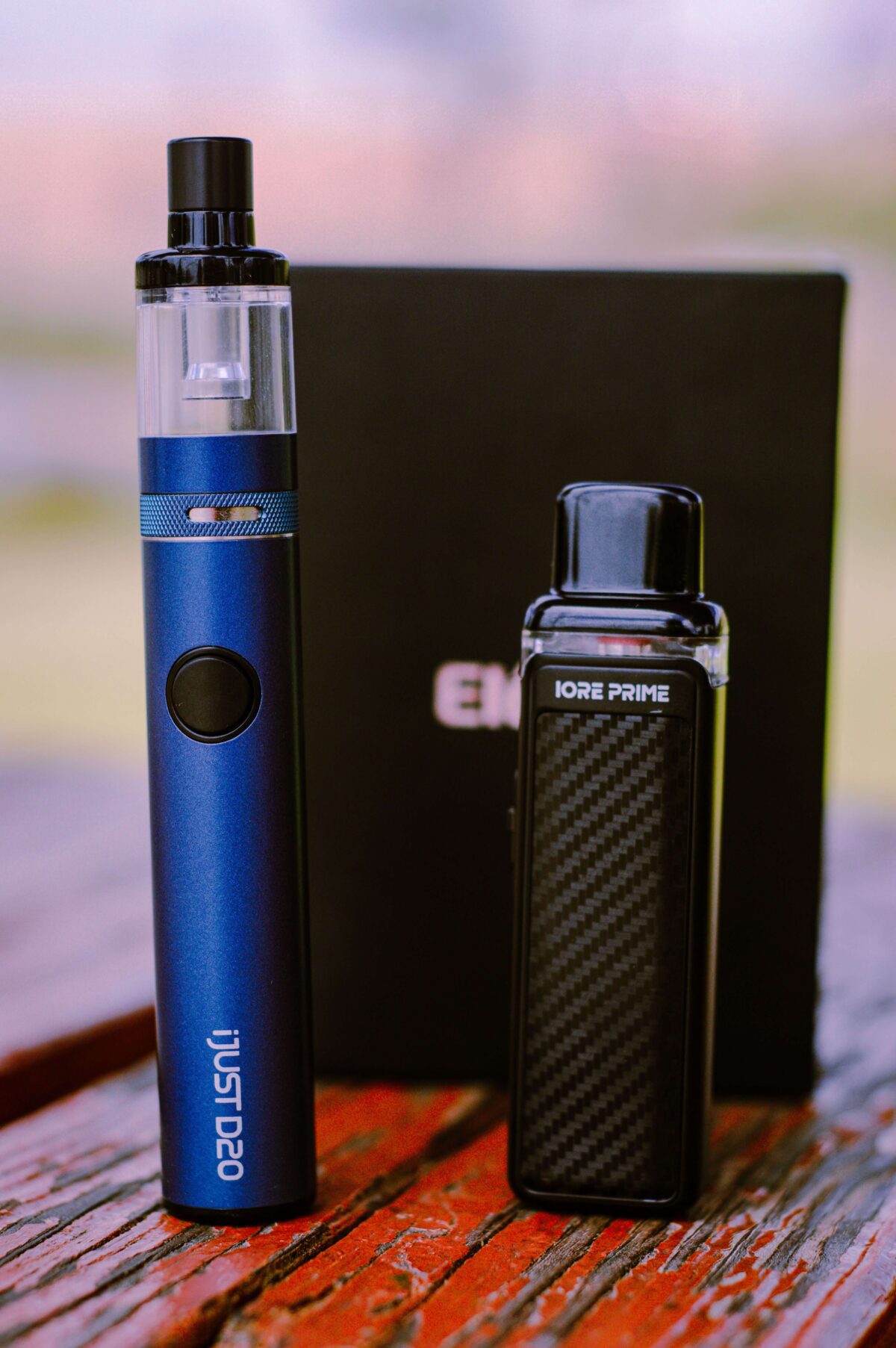
Vape pods are compact cartridges used in modern pod vaping systems. They hold e-liquid and attach to a rechargeable battery device that heats the liquid into vapour.

Unlike bulky vape kits, pod systems are designed for simplicity, portability, and ease of use. They are widely used in the UK due to their balance between performance and convenience.

Are Vape Pods Disposable or Reusable?

The core question is whether vape pods are disposable or reusable, which depends entirely on the pod system design.

Pre-filled vape pods are disposable because they are discarded once the e-liquid inside is finished. However, the battery device remains reusable, which separates them from fully disposable vape devices.

Refillable vape pods are reusable because they can be filled multiple times with e-liquid. Only the coil or pod may need replacement after extended use, making them a longer-lasting solution.

This difference is important for cost, sustainability, and long-term vaping habits.

Pre-Filled Vape Pods

Pre-filled vape pods are designed for instant use. They come filled with e-liquid and require no maintenance or refilling.

Once the pod runs out, it is replaced with a new one. This makes them convenient but also creates more waste compared to refillable systems.

Refillable Vape Pods (Reusable Pod System Explained)

Refillable vape pods are designed for repeated use. Users refill them with e-liquid multiple times, making them significantly more cost-efficient over time.

They also allow better control over flavour strength and nicotine levels, which is why experienced UK vapers prefer them.

Vape Pods vs Disposable Vapes

Vape pods and disposable vapes are often confused, but they serve different purposes.

Disposable vapes are single-use devices that are discarded entirely after use. Vape pods, however, are part of a rechargeable system where only the pod may be replaced.

This makes vape pods more efficient for long-term use, while disposable vapes are designed for short-term convenience.

Why Vape Pods Rank Highly in UK Search Trends

Search demand for vape pods is increasing because users are shifting away from fully disposable vape products due to cost and environmental concerns.

Pod systems offer:

  • Lower long-term expense

  • Better flavour consistency

  • Reduced waste output

  • More control over nicotine intake

This combination makes them one of the most searched vaping alternatives in the UK market.

Environmental Impact

Refillable vape pods reduce environmental waste because they eliminate the need for constant device disposal. Pre-filled pods still generate waste, but significantly less than fully disposable vape systems.

As UK vaping regulations evolve, reusable pod systems are increasingly positioned as the more sustainable option.

What Chemicals Are in Disposable Vapes?

Key Takeaways

A key concern for users of disposable vapes and vape products in the UK is the components of the liquid, especially with rising awareness of toxic chemicals, nicotine risks, and long-term health effects linked to electronic cigarette use. Many ask about what chemicals are in disposable vapes when considering potential benefits and risks. 

These devices are designed to deliver vapour using a mixture of propylene glycol and vegetable glycerin. These base liquids are commonly found in vape products and help produce vapour when heated inside an electronic cigarette device. Nicotine is often added as an addictive substance, making many of these disposable devices highly addictive and closely linked to traditional cigarettes dependency patterns.

Disposable vapes typically use propylene glycol and vegetable glycerin as base liquids, often with added nicotine and flavourings; heating these ingredients can generate additional harmful by-products. Trace heavy metals from heating components may appear in the aerosol, creating inhalation risks that are lower than cigarettes but still significant. Nicotine drives addiction, and long-term lung effects from repeated exposure to solvents, flavourings, and metal particles remain a concern, even in nicotine-free products. Understanding these chemicals helps users assess potential respiratory and overall health risks.

What Chemicals Are In Disposable Vapes and Why They Matter

These devices contain a mix of ingredients that may include nicotine, flavourings, and chemical carriers. The most common base components are propylene glycol and vegetable glycerin, which help deliver flavour and vapour density. Understanding the chemicals in disposable vapes helps users evaluate potential exposure and safety. Studies show that when heated, these substances can break down into harmful chemicals depending on temperature and device quality.

Some vape products also contain trace levels of heavy metals, which may come from heating coils. These metals can enter the vapour and may pose risks when inhaled repeatedly over time. Compared with traditional cigarettes, these devices reduce combustion exposure but still introduce chemical inhalation risks.

Propylene Glycol and Vape Composition Risks

Propylene glycol is widely used in food and pharmaceutical products, but inhalation through vape products is different from ingestion. Research from vaping safety studies highlights that overheating propylene glycol can produce irritant compounds that may affect lung health. In some cases, exposure to these breakdown products may contribute to long-term respiratory issues, including irritation linked to lung disease.

Vegetable glycerin is used to create thicker vapour clouds, but it can also break down under high heat. When combined with flavouring agents, it may form additional harmful chemicals. This process varies depending on device settings and usage habits, making exposure levels inconsistent across different devices.

Nicotine, Addiction, and Vape Products

Nicotine remains one of the most important ingredients in disposable vapes. It is an addictive substance that directly affects brain receptors, making quitting difficult for many users. This is why vape products are often considered highly addictive, especially among young users transitioning from traditional cigarettes.

Some are labelled as nicotine-free, but users should still be cautious. Even without nicotine, other harmful chemicals may still be present due to heating reactions. Public health research highlights that switching from cigarettes to vaping habits does not eliminate all health risks, especially when inhaling aerosolised chemicals regularly.

Heavy Metals and Toxic Exposure

Exposure to heavy metals in vape aerosols has been increasingly documented in recent studies. These metals may originate from internal heating components and can include substances such as nickel and lead. Over time, inhalation of these particles may contribute to respiratory stress and potential long-term lung disease risks.

According to chemical safety research, these exposures are lower than those found in combustible cigarettes, but they are not negligible. The presence of toxic chemicals in disposable vapes remains a concern for regulators and health authorities monitoring vape product safety.

Lung Health and Long-Term Risks

Long-term use of these vapes may impact lung health due to repeated exposure to aerosolised chemicals. While traditional cigarettes are strongly linked to severe respiratory illness, vape products still carry risks due to inhaled solvents, flavourings, and metal particles. Studies on lung disease suggest that chronic exposure to inhaled irritants may contribute to inflammation and reduced lung function over time.

Users should be aware that even nicotine-free vape products may still expose the lungs to chemical by-products formed during heating. These exposures are not fully understood, and research is ongoing.

Disposable Vape Chemicals

They typically include nicotine, propylene glycol, vegetable glycerin, flavourings, and possible trace heavy metals. When heated, these ingredients may produce additional harmful chemicals that can affect respiratory health. Compared with traditional cigarettes, these products may reduce some risks but still present exposure to addictive and potentially harmful substances.