Key Takeaways
- E-cigarettes are a type of vape, but the term "vape" includes a much wider range of electronic nicotine delivery systems.
- Most vaping products contain nicotine, which is highly addictive, although nicotine-free options are also available.
- Vaping is generally considered less harmful than smoking because it does not involve burning tobacco, but it is not risk-free.
- Research into the long-term health effects is ongoing, and vaping aerosols may contain potentially harmful substances.
- Some adult smokers use vaping to help stop smoking, but vaping is not recommended for young people or non-smokers.
Many people use the two terms interchangeably, but they are not always exactly the same. The difference between e-cigarettes and vapes comes down to scope and device features. An e-cigarette is a type of vape, while the word “vape” describes a wider range of devices known as electronic nicotine delivery systems. Understanding the difference can help you make informed decisions about vaping, nicotine use, and alternatives to traditional tobacco products.
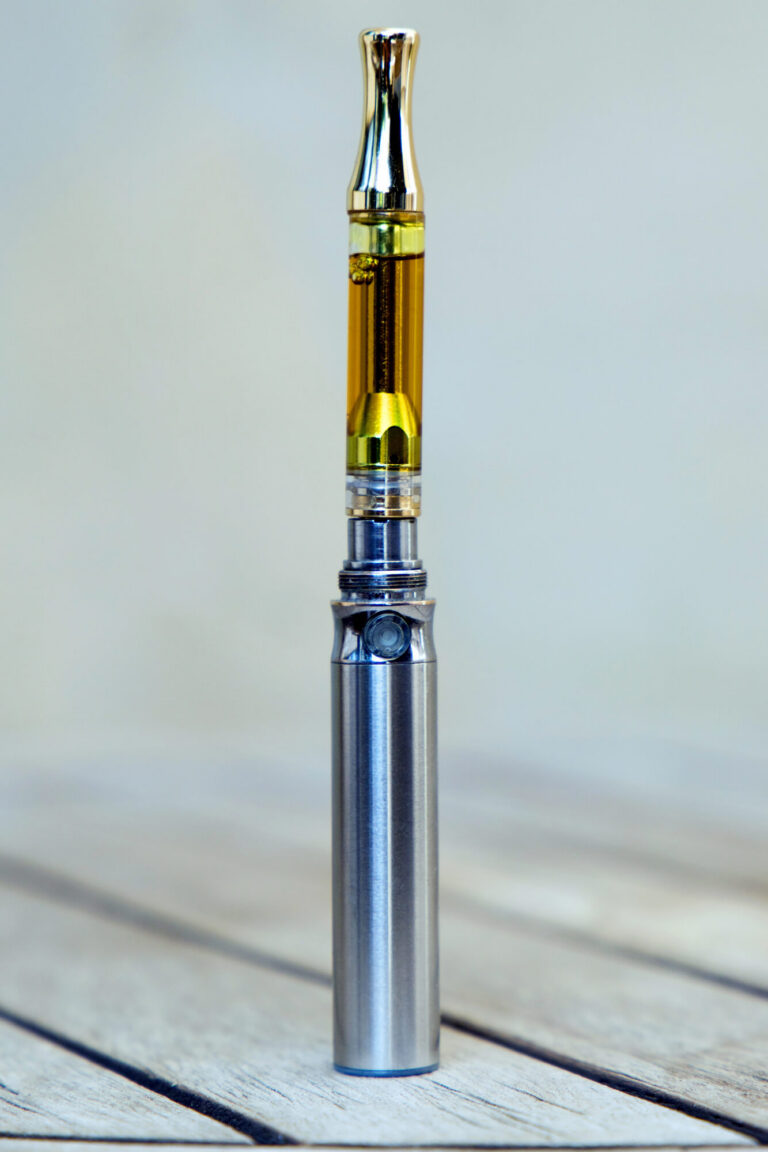
E-cigarettes are one type of vape device. In an e-cigarettes vs vapes comparison, modern vapes include disposable devices, vape pens, refillable pod systems, and advanced vape kits. All work by heating e-liquid to create a vapour instead of burning tobacco.
What Are E-Cigarettes and Vapes?
E-cigarettes were developed to provide smokers with an alternative to conventional cigarettes. Most resemble traditional cigarettes in size and shape, although designs have evolved.
The term “vape” covers every type of electronic device that heats e-liquid into an inhalable aerosol. These devices are officially referred to as electronic nicotine delivery systems and are available in many different styles.
Although every e-cigarette is a vape, not every vape is an e-cigarette.
Are E-Cigarettes and Vapes the Same?
In an e-cigarettes vs vapes comparison, the biggest difference is the variety of devices available today. Early e-cigarettes were designed to look like traditional cigarettes and usually came with pre-filled cartridges. Modern vaping devices include refillable pods, advanced tanks, and vape pens that offer greater battery life, adjustable settings, and more e-liquid options.
Another difference is vapour production. E-cigarettes generally produce a smaller amount of aerosol, while larger vape devices can create much denser vapour depending on their design.
Users can also choose from a wider selection of nicotine strengths in modern vape devices, including nicotine-free options.
How Do E Cigarettes Work?
Every vape device contains a battery, a heating element, and a cartridge or tank filled with e-liquid. When activated, the battery heats the liquid and produces an aerosol that is inhaled by the user.
Unlike traditional cigarettes, there is no burning tobacco. However, this does not mean the aerosol is harmless. It may contain volatile organic compounds, nicotine, flavouring chemicals, and other potentially harmful substances.
Do E-Cigarettes Contain Nicotine?
Many cigarettes contain nicotine, and the same is true for many vaping products. Nicotine is a highly addictive substance that affects the brain and can make it difficult for users to stop using nicotine products.
Some e-liquids are available without nicotine, but many products sold for adult smokers still contain varying nicotine strengths.
Because nicotine can affect brain development, health authorities advise that young people should not use vaping products.
Are Vapes Less Harmful Than Smoking?
Current evidence suggests vaping is generally considered less harmful than smoking, with fewer toxic chemicals because there is no tobacco combustion. A more accurate way to describe this is that vaping is generally regarded as less harmful than smoking traditional cigarettes.
However, vaping is not risk-free.
Researchers continue to study the long-term health effects of vaping, and some chemicals found in certain products may still present health risks.
For smokers who cannot quit using other methods, switching completely from cigarettes to regulated vaping products may reduce exposure to many harmful chemicals found in cigarette smoke.
What Does the Food and Drug Administration Say?
The Food and Drug Administration (FDA) regulates many cigarette and vaping products in the United States and continues to evaluate their safety and marketing.
The FDA warns that vaping products should not be used by children, teenagers, pregnant women, or adults who do not already use nicotine products. The agency also monitors reports of lung injury associated with certain vaping products and investigates safety concerns as they arise.
Can Vaping Cause Lung Disease?
Although vaping avoids tobacco combustion, some studies have linked certain chemicals to respiratory problems.
One chemical, diacetyl, has been linked to a serious lung disease called bronchiolitis obliterans, sometimes referred to as “popcorn lung”. While modern regulated e-liquids generally avoid diacetyl, concerns remain about unregulated or counterfeit products.
Researchers have also investigated cases of vaping-related lung injury, particularly those associated with illicit products containing THC and vitamin E acetate.
Can Vaping Help People Stop Smoking?
Some smokers use vaping as a tool to stop smoking, and evidence suggests that regulated vaping products may help some people quit smoking when combined with professional support.
Success varies from person to person. The best approach is to seek advice from healthcare professionals who can recommend the most suitable smoking cessation method.
Health Risks to Consider
Although vaping may expose users to fewer harmful chemicals than smoking, there are still risks.
Nicotine remains highly addictive, and regular use may contribute to increased heart rate and blood pressure. Researchers are also studying possible links between vaping and heart disease, although more evidence is needed regarding long-term effects.
Health experts agree that non-smokers should not begin vaping simply because it appears less harmful than cigarettes.
Choosing Between an E-cigarette and a Vape
If you want a simple device that closely resembles smoking, an e-cigarette may be suitable.
If you prefer longer battery life, refillable tanks, adjustable settings, or greater flavour options, modern vape devices and vape pens offer more flexibility.
The right choice depends on your personal preferences and whether your goal is to reduce or replace cigarette smoking.