What Is a Vape Pen?

Key Takeaways

A Vape Pen is a compact vaping device that heats liquid into vapour using a battery-powered system instead of burning tobacco. It is widely used across the UK as a modern alternative to smoking and is one of the most common vape devices in circulation today. In simple terms, this vape pen device provides a straightforward way to vape without tobacco combustion.

This vape pen device sits within the broader category of types of vape, which includes vape kits, pod systems, and disposable vape options. Each variation is designed to suit different user needs, experience levels, and lifestyle preferences.

What Is a Vape Pen?

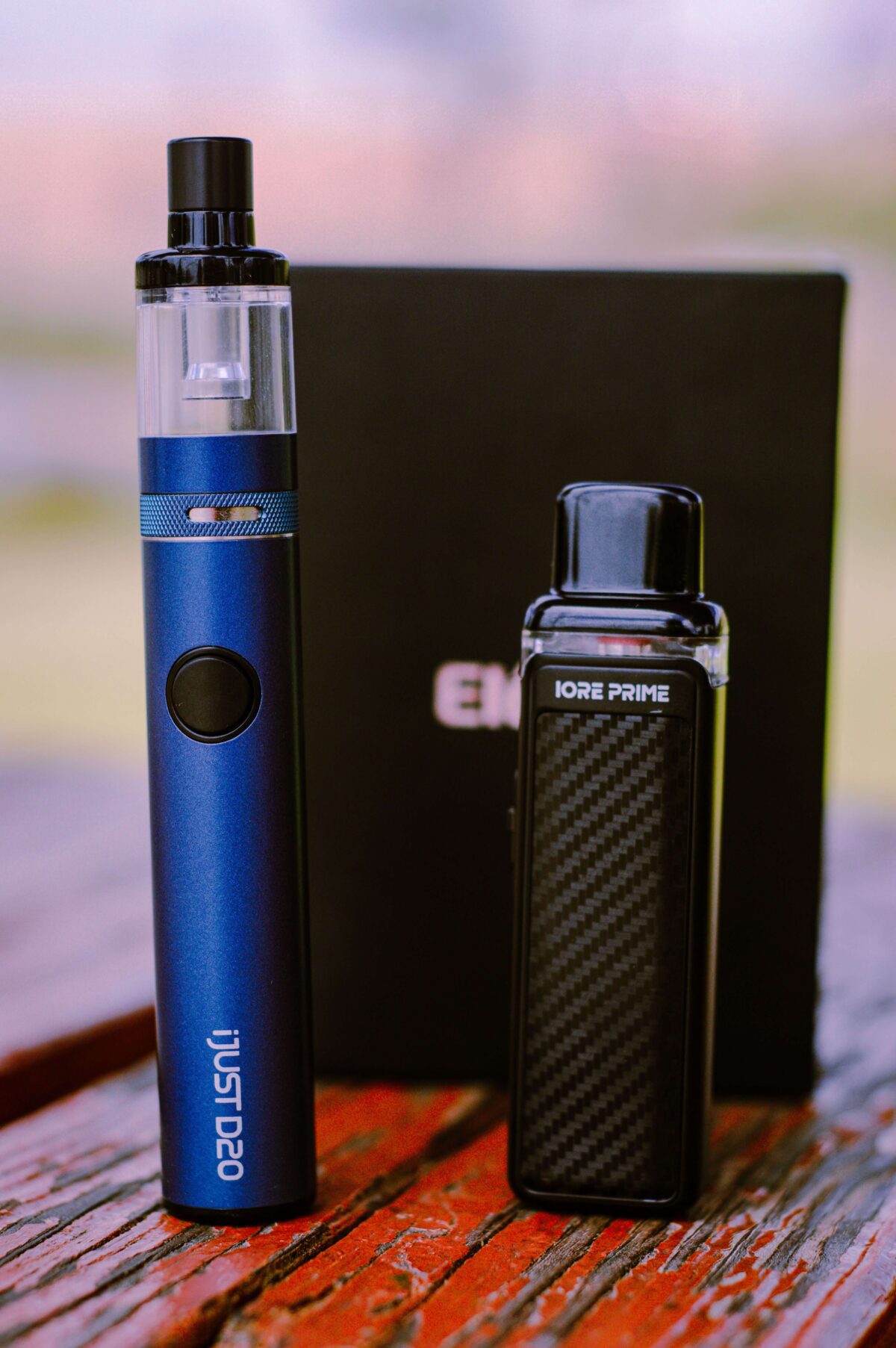
A vape pen is a slim electronic vape device that uses battery power to heat e-liquid into inhalable vapour. It replaces combustion with heating technology and is commonly used in vape kits, pod systems, and disposable vape formats.

Core Components of a Vape Pen Device

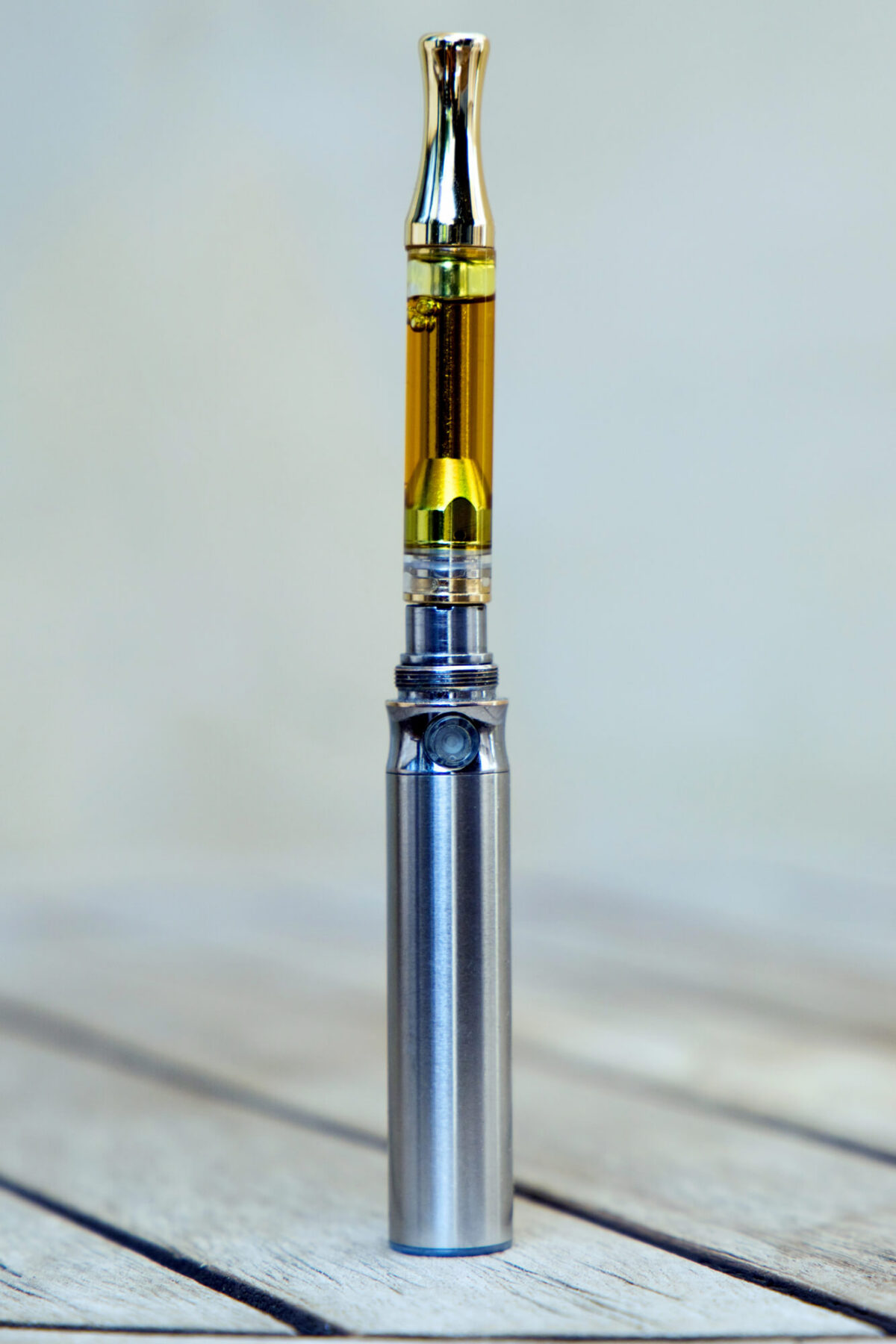
A vape pen device is built from a few essential parts that work together to produce vapour. The battery supplies energy, the coil heats the liquid, and the tank or pod stores e-liquid. The mouthpiece delivers vapour to the user.

Modern vape pens on the market are designed with simplified structures, making them easier to use without technical knowledge. This simplicity is one reason they remain popular among beginners.

How Does a Vape Pen Work?

Every vape pen is built around three essential parts that work together each time you take a puff. The battery sits at the base and supplies power, the coil acts as the heating element, and the tank or pod holds your chosen e-liquid. When you press the fire button or simply inhale on draw-activated models, electricity flows to the coil, which warms the liquid soaked into its cotton wick. Within a second or two, that liquid becomes a smooth vapour you breathe in through the mouthpiece.

Because nothing is burned, no smoke, ash, or tar is produced. This is the fundamental difference between vaping and smoking, and it is why the NHS recognises regulated vaping products as a quitting aid for adult smokers, although it stresses that anyone who does not already smoke should never start.

Types of Vapes Used in the UK Market

The types of vape available today are divided into three main categories based on usability and maintenance.

Vape kits are refillable systems that allow coil replacement and e-liquid control. They are preferred by users who want flexibility and long-term use. Many vape kits also offer adjustable airflow and wattage settings.

A disposable vape is a single-use device pre-filled with liquid and a pre-charged battery. It is designed for convenience but has limited lifespan compared to reusable systems.

Pod systems combine elements of both, offering compact size with replaceable pods, making them ideal for portability.

Battery Life and Energy Performance

Battery life determines how long a vape device operates before requiring recharge or replacement. Higher-capacity batteries support longer sessions and more consistent vapour output.

In vape kits, rechargeable batteries provide extended usage cycles and better cost efficiency over time. In contrast, disposable vape products rely on fixed batteries that cannot be recharged once depleted.

Proper battery care improves performance stability and reduces device failure risk.

Mechanism of a Vape Pen

A vape pen device activates when energy from the battery flows to the coil, heating the e-liquid until it becomes vapour. This vapour is then inhaled through the mouthpiece.

Some devices use manual activation through buttons, while others are automatic and respond to inhalation. This difference affects user experience, especially for beginners choosing between simple and advanced systems.

Vape Kits vs Disposable Vape Systems

Vape kits offer long-term usability with refillable tanks, replaceable coils, and rechargeable batteries. They are more cost-efficient and customizable.

Battery life becomes a key factor in vape kit performance because it influences usage duration and charging cycles.

Disposable vape systems are designed for short-term convenience and require no maintenance. Once the battery or liquid ends, the device is discarded.

Safety Considerations for Vape Devices

A vape device should always be used according to the manufacturer’s instructions to avoid overheating or leakage. Low-quality products may pose risks due to poor construction or unregulated ingredients.

Nicotine content varies across vape kits and disposable vape products, making label reading essential before use.

Battery Life Optimization Techniques

Battery performance can be improved by avoiding overcharging and using compatible chargers. Storing the device in moderate temperatures also extends its lifespan.

Frequent heavy usage reduces overall battery cycle life, especially in smaller vape pen devices. Choosing higher-capacity vape kits helps maintain consistent output during extended use.

Environmental Impact of Vape Devices

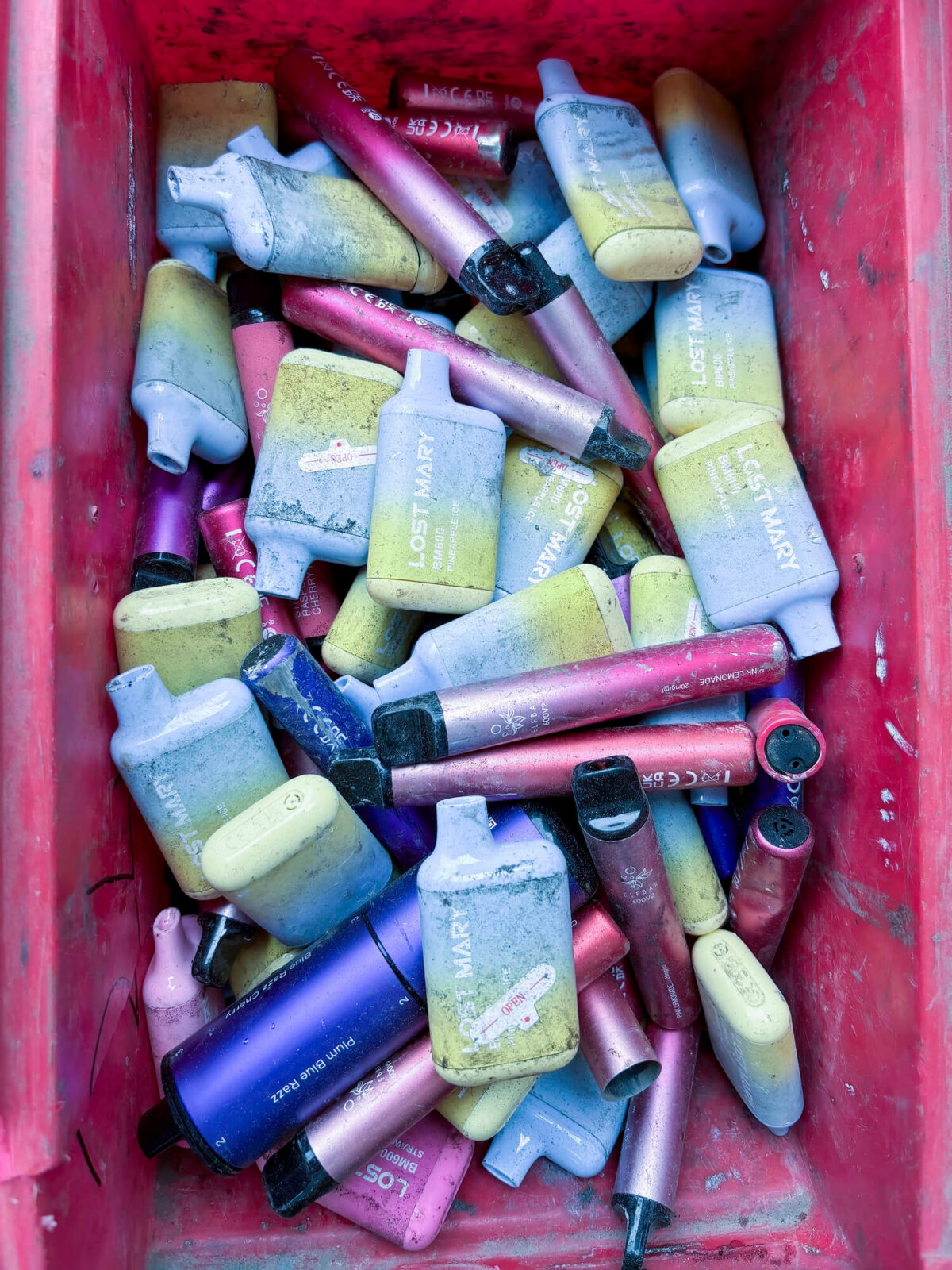
Disposable vape devices contribute significantly to electronic waste due to their single-use design. Proper disposal and recycling reduce environmental harm.

Recyclable systems and refillable vape kits help reduce waste output while maintaining usability. Responsible disposal practices are essential for sustainability.

Maintenance and Device Longevity

Regular cleaning of the tank or pod improves flavour quality and airflow consistency. Coil replacement prevents burnt taste and ensures smooth vapour production.

Battery contacts should be kept clean to maintain stable energy flow. Proper maintenance extends overall device lifespan and improves safety.

Choosing Between Vape Kits and Vape Pens

Vape kits are suitable for users who want long-term control, better vapour production, and adjustable settings. Vape pens are ideal for simplicity and portability.

Beginners often prefer disposable vape systems, while experienced users shift toward refillable kits for better performance and cost efficiency.

Common Misconceptions About Vape Devices

Not all vape devices operate the same way, despite similar appearance. Performance varies based on coil type, battery strength, and airflow design.

Another misconception is that vaping is completely harmless. While often considered less harmful than smoking, vape devices still contain substances that require responsible use.

A vape pen is a rechargeable, refillable vape device made up of a battery, coil, and tank. It costs less to run than a disposable vape, lasts longer than single-use options, and offers adult smokers a practical, regulated alternative. Choose an MHRA-registered model, charge it sensibly to protect battery life, and recycle every component responsibly when its time is up.

When Were Vapes Invented?

Key Takeaways

Vapes were first conceptualised in 1927 when Joseph Robinson patented a device that delivered medicinal compounds through heated air. The first modern vape design was created by Herbert A Gilbert in 1963, but the first commercially successful electronic cigarette was invented by Chinese pharmacist Hon Lik in 2003. His innovation laid the foundation for today’s vaping products and the modern vaping industry. These milestones answer the common question “when were vapes invented?” and trace the invention of vape technology from early concept to commercial success.

When Were Vapes Invented?

Vapes were invented in stages: Joseph Robinson patented an “electric vaporizer” in 1927, Herbert A Gilbert designed a smokeless cigarette in 1963, and Hon Lik launched the first commercially successful electronic cigarette in 2003, bringing nicotine delivery without burning tobacco to the mass market. If you’re asking who invented vape devices, many credit Hon Lik for the breakthrough that reached consumers, though Robinson and Gilbert contributed key ideas decades earlier.

Timeline of Vape History

Understanding the evolution of vaping technology helps explain how modern devices developed. Many people search terms like “vapes invented” or “when were vapes invented?” to locate these dates; the outline below summarises them.

1927: Joseph Robinson patents an inhalation device using heated air.

1963: Herbert A Gilbert patents a smokeless non-tobacco cigarette.

2003: Chinese pharmacist Hon Lik invents the commercially successful electronic cigarette.

2004: Electronic cigarettes enter the Chinese market.

2006: Vaping products begin expanding across Europe.

2007: Electronic cigarettes become available in the United States.

2014-2019: Rapid innovation drives growth across the global vaping industry.

2020-Present: Increased focus on sustainability, recycling, public health, and product regulation.

Why Was the Electronic Cigarette Invented?

The electronic cigarette was invented to provide an alternative to traditional cigarettes. Understanding the invention of vape devices helps clarify that aim. Inventors sought to eliminate tobacco combustion while maintaining nicotine delivery. Burning tobacco creates thousands of chemicals, many of which are linked to serious health conditions. By producing vapour rather than smoke, electronic cigarettes introduced a different method of nicotine consumption.

How Vaping Differs from Smoking

One of the biggest differences between vaping and smoking is the absence of combustion. Traditional cigarettes burn tobacco to create smoke, while vaping devices heat e-liquid to produce vapour.

Because vaping products do not burn tobacco, they generate significantly fewer combustion-related by-products. This distinction has been central to discussions surrounding smoking cessation and tobacco harm reduction.

Public Health Perspectives on Vaping

Public health organisations continue to evaluate the role of vaping products within smoking cessation strategies. The World Health Organization, the Food and Drug Administration, and the Medicines and Healthcare products Regulatory Agency all monitor emerging research relating to vaping.

While vaping is not considered risk-free, many health experts agree that combustible tobacco remains the leading cause of smoking-related disease. Ongoing studies continue to examine long-term effects, nicotine delivery methods, and population-level health outcomes.

The Role of Regulation in Modern Vaping

As vaping products became more popular, governments introduced regulations designed to improve safety and product quality. In the UK, the Medicines and Healthcare products Regulatory Agency oversees compliance requirements for regulated e-cigarettes.

In the United States, the Food and Drug Administration classifies many vaping products as a tobacco product category and regulates their manufacture, marketing, and sale.

Regulatory frameworks continue evolving as authorities balance consumer protection, public health objectives, and industry innovation.

Environmental Challenges Facing the Vaping Industry

The rise of disposable vape devices has created new waste management challenges. Batteries, plastics, circuit boards, and metal components require specialist processing to prevent environmental harm.

Responsible disposal and recycling programmes help recover valuable resources while reducing landfill waste. Businesses and consumers increasingly rely on dedicated services for disposable vape recycling to ensure devices are managed responsibly at the end of their lifecycle.

How Vape Recycling Supports Sustainability

Modern vape devices contain materials that can often be recovered and reused. Lithium, copper, aluminium, and certain plastics can be extracted through specialist recycling processes.

The growth ofvaping products recycling programmes supports the circular economy by reducing demand for newly extracted raw materials. This approach also helps organisations meet environmental obligations while promoting responsible waste management practices.

How Vaping Evolved After 2003

Once Hon Lik’s design reached Western markets, innovation accelerated at remarkable speed. First-generation “cig-a-likes” mimicked the look of traditional cigarettes, but British entrepreneurs Umer and Tariq Sheikh soon improved the format by inventing the cartomiser, which combined the heating coil and liquid chamber in one unit. By the early 2010s, refillable tank systems and powerful “mods” gave users control over flavour, vapour and strength of nicotine delivery.

A further turning point came in 2015 with the rise of pod systems, compact devices that paired nicotine salt e-liquids with sleek, rechargeable hardware. Nicotine salts allowed higher strengths to be inhaled smoothly, which made the switch easier for adult smokers but also triggered serious concern about youth uptake, particularly in America. Those concerns reshaped advertising rules, flavour restrictions and age-verification standards across many markets, and they continue to influence policy today.

The most recent chapter has been dominated by the disposable vape, a single-use device that surged in popularity from 2019 onwards thanks to its convenience and low upfront cost. That convenience has come with an environmental price, however, as millions of batteries and plastic bodies are discarded weekly, making responsible recycling one of the biggest challenges now facing the vaping industry.

Regulation: From the FDA to the MHRA

As vaping products spread across the globe, governments moved to bring them under control. In the United States, the Food and Drug Administration initially tried to block imports as unapproved drug devices, but a 2010 court ruling determined they should instead be regulated as a tobacco product. Since 2016, the drug administration (FDA) has required authorisation for every e-cigarette sold on the American market.

The United Kingdom took a different path. The Tobacco and Related Products Regulations 2016 capped nicotine strength at 20 mg/ml and limited tank sizes, while the Medicines and Healthcare products Regulatory Agency oversees safety notifications for every product sold. The World Health Organization continues to urge caution worldwide, whereas UK public health bodies have historically been more supportive of regulated e-cigarettes as a harm-reduction tool. From June 2025, the UK went further still and banned the sale of single-use disposables outright to protect young people and the environment.

Vaping and Smoking Cessation: What the Evidence Says

One reason vapes survived early regulatory battles is their role in smoking cessation. Research reviewed by the NHS and Office for Health Improvement and Disparities suggests that adults who switch completely from smoking are exposed to far fewer toxicants, and UK stop-smoking services now frequently recommend vaping as a quitting aid for confirmed smokers. The official guidance from the NHS Better Health service is clear: vaping is not risk-free and is not for non-smokers or children, but it is considerably less harmful than continuing to smoke tobacco.

Independent trials add weight to that position. A landmark UK study published in the New England Journal of Medicine in 2019 found smokers given e-cigarettes alongside behavioural support were almost twice as likely to quit as those using traditional nicotine replacement therapy. Figures like these are why an estimated five million British adults now vape, the majority of them current or former smokers rather than people who never smoked at all.

That balance between opportunity and risk explains why the question of “when were vapes invented?” matters beyond simple curiosity. The technology emerged specifically as an answer to smoking-related disease, and its future will be judged on whether it continues to serve that purpose responsibly.

The Verdict: A Century in the Making

The honest answer to “when were vapes invented?” depends on how you define a vape. The concept was born in 1927 with Joseph Robinson, the modern design was imagined in 1963 by Herbert A Gilbert, and the product the world actually adopted arrived in 2003 thanks to Hon Lik. Nearly a century of invention separates the first patent from the device in your pocket, and the story is still being written through tighter regulation, better technology, and a growing focus on sustainability. From Robinson’s forgotten patent to the rechargeable kits sold on every British high street, each generation refined the same simple goal of delivering vapour instead of smoke, reflecting the broader invention of vape technology over time.

What Bin Do You Put Vapes In?

Key Takeaways

Disposable vapes and all vaping devices must not go into waste bins or recycling bins. They are classified as waste electrical and electronic equipment, meaning they require specialist electrical recycling through approved recycling centres, recycling points, or local council waste collection services.

Vapes should not be placed in household waste bins or recycling bins because they contain lithium-ion batteries and electronic components. They must be taken to recycling centres or designated recycling points for safe electrical recycling under UK waste regulations.

What Bin Do You Put Vapes In?

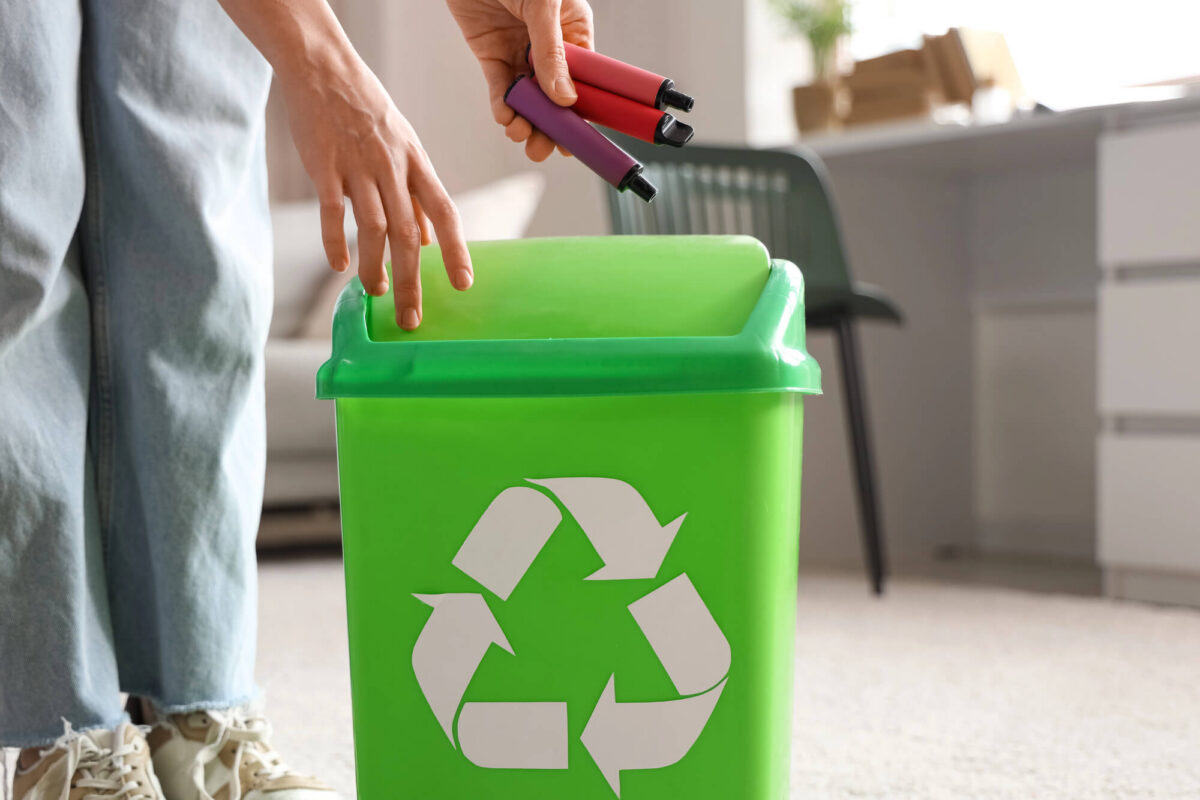
Vapes should never be placed in any household bin. Put them in a small electricals or battery container at a household waste recycling centre, return them to any shop that sells vapes, or use a certified vape collection unit. Every device counts as electrical waste under UK law.

What bin do you put vapes in once a device dies?

Millions of people search for this every month, and the confusion is understandable. A vape feels like everyday rubbish, yet it is legally classed as waste electrical and electronic equipment. That single fact changes everything about how you should get rid of it.

Disposable vapes and rechargeable vaping devices contain a lithium-ion battery, a circuit, and nicotine residue. None of these can be processed through kerbside waste collection. The only compliant routes are recycling centres, retailer take-back schemes, and certified vape recycling bins installed at businesses and venues.

Why Vapes Never Go in General Waste Bins

Hidden inside the plastic shell, a lithium cell stores enough energy to ignite if it is punctured or crushed. Compactors in collection lorries apply exactly that kind of pressure. Fires in bin lorries caused by batteries have surged across the UK, with Material Focus recording more than 1,200 such incidents in a single year. Each blaze endangers crews, destroys vehicles, and can shut a sorting facility for days.

Chemical leakage creates a slower, quieter problem. Nicotine residue and battery electrolytes seep from broken devices in landfills, contaminating soil and waterways long after the vape itself is forgotten.

Where Do You Dispose of Vapes?

The destination is always a dedicated electrical container, and you have three compliant choices.

Your local household waste recycling centre operates a marked cage or tub for small electricals. Hand the device to a member of staff if you cannot spot it, and they will route it to a licensed treatment plant. Local councils list site opening hours and accepted items on their websites, so a quick check before travelling saves a wasted trip.

Retailer take-back is the second route. Under UK regulations, every shop selling vaping devices must accept used ones free of charge, even when the original purchase happened elsewhere. Supermarkets, pharmacies, and specialist stores now position recycling points near tills or entrances for exactly this reason.

The third option suits workplaces, pubs, schools and event venues: on-site certified containers supplied through electrical recycling programmes that bundle in scheduled collections. Staff simply drop devices in, and full units are exchanged and transported to an approved facility without anyone handling hazardous parts.

A vital safety note: never attempt to battery recycle a vape by prising it apart. Piercing the cell can trigger thermal runaway instantly. The whole unit goes in, intact.

What Happens to a Vape After You Recycle It

Understanding the journey makes the effort feel worthwhile. At the treatment plant, technicians discharge and extract the battery first, since it carries the greatest risk. Shredders then separate the remaining body into plastic, steel, copper, and aluminium streams. Each material heads back into manufacturing; recovered lithium alone can supply new battery production, reducing demand for freshly mined ore.

Why Vapes Cannot Go in Normal Waste Bins

Disposable vapes and rechargeable vaping devices contain a lithium-ion battery, plastic casing, and internal circuits that make them hazardous in general waste streams. When placed in waste bins, they can be crushed during waste collection, which increases the risk of fires in bin lorries and processing facilities.

Standard recycling bins are also unsuitable because they are not designed for waste electrical and electronic equipment. These systems cannot safely process battery components or electronic circuits, which is why specialist handling is required.

Correct Disposal Through Electrical Recycling Systems

The correct disposal route for vaping devices is through electrical recycling systems designed for small electricals. These systems separate valuable materials such as lithium, copper, and plastic for reuse, reducing environmental impact and supporting sustainable waste management.

Recycling centres and recycling points across the UK accept vaping devices as part of regulated waste electrical and electronic equipment processing. Local councils often guide where to find your nearest approved facility for safe disposal.

Disposable Vapes and Safe Handling

Disposable vapes should always remain intact and must never be dismantled. Once they stop working, they should be stored safely and taken to a recycling point or household waste recycling centre. These facilities ensure controlled processing of battery components and prevent harmful substances from entering landfills.

Environmental Impact of Improper Disposal

Incorrect disposal of vaping devices creates a significant environmental impact. When thrown into waste bins or recycling bins, lithium-ion batteries can break and release harmful chemicals. This not only pollutes the environment but also increases the risk of fires in bin systems during waste collection and sorting processes.

Improper disposal also wastes valuable materials that could otherwise be recovered through electrical recycling. Metals and plastics inside vaping devices can be reused, reducing the need for new raw material extraction and lowering overall environmental pressure.

Safe Options for Recycling Vapes in the UK

The safest way to dispose of vaping devices is through approved recycling centres, recycling points, or household waste recycling centre facilities. These locations are equipped to handle small electricals and waste electrical and electronic equipment safely.

Local councils often support collection schemes that allow residents to drop off vaping devices responsibly. Many retailers also participate in take-back programmes that ensure safe processing of batteries and electronic components.

Additional information about electrical recycling systems and sustainable waste solutions can be found at electrical recycling information, which explains how waste is processed through controlled recycling networks.

Why Proper Vape Disposal Matters

Correct disposal of vaping devices reduces environmental harm and improves public safety. It prevents contamination caused by battery leakage and reduces pressure on landfill sites. It also helps prevent accidents linked to fires in bin trucks and waste processing centres, which are increasingly associated with lithium-ion battery waste.

By using recycling centres and approved recycling points, individuals support safer waste management systems and contribute to circular economy practices where materials are reused instead of discarded.

Summary of Safe Practice

Understanding what bin you put vapes in is essential for responsible waste handling. Vapes should never go into waste bins or recycling bins. Instead, they must be taken to recycling centres, recycling points, or handled through local council waste electrical and electronic equipment schemes. This ensures safe battery recycling processes, reduces environmental impact, and prevents fire hazards while supporting sustainable resource recovery.

Can You Put Disposable Vapes in the Bin?

Key Takeaways

Disposable vapes should not be placed in general waste bins or household waste recycling bins. Because they contain a lithium-ion battery, plastics, metals, and electronic components, they are classified as waste electrical and electronic equipment (WEEE) and require specialist handling. The correct disposal method is through certified vape recycling bins and approved recycling channels

Can You Put Disposable Vapes in the Bin Legally?

No. Under UK law, vapes fall under the Waste Electrical and Electronic Equipment (WEEE) regulations. This means producers and retailers must help fund and provide collection routes for used devices, and consumers should use those routes rather than general rubbish.

Since June 2025, the sale of single-use vapes has been banned in the UK, yet millions of devices remain in circulation and in drawers at home. Whether a vape is an old single-use model or a newer rechargeable one, the disposal rules are the same. It must be treated as electrical waste, never as ordinary household waste. In short, do not put disposable vapes in the bin at home or at work.

Throwing a vape into your wheelie bin is not just risky. It also wastes valuable materials. Each device contains lithium, copper, and steel that can be recovered and reused in new products.

Businesses, retailers, schools, hospitality venues, healthcare providers, and public sector organisations should use dedicated vape recycling systems to ensure compliance with UK waste regulations. Certified collection containers help prevent contamination, reduce fire risks associated with damaged batteries, and support safe storage before collection.

Using specialist disposable vape recycling services ensures that batteries, plastics, circuit boards, and valuable metals are recovered and processed responsibly. This reduces landfill dependency, supports resource recovery, and contributes to a circular economy by returning reusable materials to manufacturing supply chains.

Why Disposable Vapes Require Specialist Recycling

Unlike ordinary household items, disposable vapes contain multiple material streams that must be separated during processing. A typical device includes a lithium-ion battery, aluminium, copper wiring, plastic housing, electronic circuitry, and residual e-liquid. These materials require specialist treatment to maximise recovery rates and minimise environmental harm.

Improper disposal can result in battery damage during waste collection and transportation. Damaged lithium batteries are a recognised source of fires within waste management facilities, recycling centres, and refuse vehicles. Specialist vape recycling significantly reduces these risks while improving material recovery outcomes.

Environmental Impact Of Disposable Vape Waste

The environmental impact of discarded disposable vapes continues to attract attention across the UK. Millions of single-use vapes enter the waste stream annually, creating unnecessary pressure on landfill capacity and wasting recoverable resources.

Responsible recycling helps recover valuable raw materials, reduces the need for virgin resource extraction, lowers carbon emissions associated with manufacturing, and prevents hazardous components from entering the environment. Effective vape recycling also supports wider sustainability targets and responsible waste management strategies.

Where to Take Used Vapes: Recycling Centres and Recycling Points

  • You have several easy options. Most local council recycling centres now accept vapes in their small electricals or battery sections. Staff on site can point you to the correct container if you are unsure.

  • Many supermarkets and vape shops also host dedicated recycling points near their entrances. Any retailer that sells vapes must, by law, accept your old ones back, even if you bought them elsewhere. Some larger stores offer this on a one-for-one basis, while others take any quantity.

  • If you cannot reach a drop-off location, postal and collection schemes for disposable vapes make the process even simpler. These services send devices to specialist facilities where every component is processed safely.

  • Before you drop off a device, check whether your local battery recycling point accepts whole vapes or batteries only. Never try to remove the battery yourself, as puncturing the cell can cause a fire.

Certified Vape Recycling Bins for Businesses

Shops, offices, pubs, schools, and venues should never rely on general waste bins for used devices. Instead, dedicated vape recycling bins offer a certified, compliant way to capture devices on site. A dedicated vapes bin can be placed in convenient locations to encourage safe returns. These bins are built to hold lithium-ion battery products safely and come with scheduled collections, so full containers are swapped and taken to licensed treatment facilities without any extra effort. For any business that sells vapes or has staff and customers who use them, a certified bin keeps you on the right side of WEEE rules and removes fire risk from your premises.

The Environmental Impact of Binning Vapes

The environmental impact of careless vape disposal is bigger than most people realise. Research by Material Focus found that the UK was throwing away around five million single-use vapes every week at the peak of their popularity. That equated to enough lithium each year to build batteries for thousands of electric cars.

When vapes rot in landfills, the plastic shell takes centuries to break down. The battery corrodes and releases metals into the ground. Recycling reverses this picture. Recovered lithium and copper re-enter manufacturing, cutting the need for new mining and lowering carbon emissions.

How Vape Recycling Works

  1. Once collected, vapes travel to licensed treatment plants.

  2. Technicians discharge and remove each lithium-ion battery first, as this is the most hazardous part.

  3. The remaining plastics and metals are shredded, sorted, and sent to manufacturers as raw material.

  4. Nothing usable goes to waste.

Where Should Disposable Vapes Be Disposed Of?

Consumers should use designated recycling points, participating retailers, or local recycling centres that accept battery-powered electronic devices. Businesses generating larger quantities should implement structured waste collection programmes supported by compliant recycling partners.

Organisations seeking long-term vape waste solutions can benefit from professional waste management expertise that supports regulatory compliance, environmental responsibility, and operational efficiency. Combining certified vape recycling bins with scheduled collections provides a complete solution for managing disposable vape waste safely and effectively.

Disposable vapes should never be placed in general rubbish or recycling bins. They must be disposed of through certified vape recycling bins, approved recycling points, or authorised recycling centres to ensure safe battery handling, regulatory compliance, resource recovery, and reduced environmental impact.

Disposable Vape Ban: What To Do With Legacy Stock

Key Takeaways

Disposable Vape Ban: What To Do with Legacy Stock June 2025 UK Compliance Guide

The Disposable Vape Ban in June 2025 is a critical compliance issue for UK businesses managing disposable vapes and single-use vapes. As the disposable vape ban in june 2025 takes effect across the UK, compliance expectations are heightened. With enforcement now active, leftover inventory cannot be resold and must be processed through approved environmental routes to remain legally compliant.

Legacy stock after the Disposable Vape Ban must be audited, separated, and sent to licensed recycling or WEEE-compliant disposal services. Unsellable disposable vapes and single-use vapes cannot enter general waste streams and must be handled through certified electronic waste recycling to avoid penalties.

Why the June 2025 Disposable Vape Ban Was Introduced

The UK government introduced the June 2025 Disposable Vape Ban to reduce environmental damage caused by non-rechargeable vaping devices. These products generate high volumes of electronic waste due to embedded lithium batteries, plastic casings, and mixed-material construction.

The policy targets the growing issue of discarded disposable vapes in public spaces, which has created both environmental and fire safety concerns across waste processing facilities.

What To Do with Legacy Stock After the Ban

Businesses holding unsold inventory must now take structured action. The first step is conducting a full stock audit to identify all remaining single-use vapes and categorise them by condition, supplier agreements, and resale eligibility.

Once identified, products must be redirected into compliant waste streams. A recommended approach is specialist processing through certified vape recycling services, such as disposable vape recycling, which ensures safe dismantling and recovery of lithium batteries and electronic components.

This prevents illegal disposal and supports UK circular economy targets by recovering reusable materials.

Legal Requirements for Single-Use Vapes in the UK

Under UK WEEE (Waste Electrical and Electronic Equipment) regulations, single-use vapes are classified as regulated electronic waste. This classification places strict responsibility on businesses to ensure safe storage, transport, and disposal.

From June 2025, enforcement agencies have increased inspections, meaning businesses must retain documentation proving compliant disposal of all disposable vapes. Failure to comply can result in fines or enforcement notices.

Step-by-Step Legacy Stock Compliance Process

The most effective compliance workflow includes structured stages designed to reduce risk and improve traceability.

First, audit all vape inventory and isolate banned products. Next, secure storage areas to prevent unauthorised resale or leakage into retail channels. Then, arrange collection with licensed recycling providers who specialise in electronic waste processing.

Finally, maintain disposal certificates as proof of compliance for audits and environmental reporting.

Environmental Risks of Improper Vape Disposal

Incorrect disposal of disposable vapes creates serious environmental risks. Lithium batteries can ignite during waste processing, while mixed plastics contribute to long-term landfill pollution.

Improper handling of single-use vapes also increases contamination in recycling streams, making recovery of valuable materials more difficult and expensive.

The June 2025 regulation aims to reduce these risks by ensuring all devices enter controlled recycling systems instead of general waste.

Business Impact and Compliance Pressure

Retailers, wholesalers, and distributors are most affected by legacy stock restrictions. Under the disposable vape ban, these stakeholders face tighter oversight. Unsold inventory represents both financial loss and regulatory exposure if not handled correctly.

To reduce risk, businesses should implement internal compliance tracking systems that record movement, storage, and disposal of all vape-related products.

Clear documentation helps demonstrate adherence to UK environmental law during inspections or audits.

Sustainable Recycling Approach for Vape Waste

A structured recycling process allows recovery of valuable materials such as lithium, copper, and plastics from disposable vapes. This reduces reliance on raw material extraction and supports long-term sustainability goals.

Specialist services ensure safe dismantling of devices while preventing hazardous exposure during processing. This approach aligns with UK environmental targets for reducing electronic waste.

Internal Strategy for Managing Legacy Vape Stock

Businesses should develop a long-term internal strategy that includes stock forecasting, supplier coordination, and waste processing partnerships.

Embedding compliance procedures into daily operations ensures that future regulatory changes can be managed more efficiently without disruption to business activity.

Common Compliance Mistakes to Avoid

Many businesses delay stock audits, store banned products incorrectly, or dispose of devices in general waste streams. These mistakes increase regulatory risk and can result in enforcement action.

Another common issue is failing to document disposal processes, which is required for compliance verification under UK waste law.

The disposable vape ban: what to do with legacy stock in June 2025 requires UK businesses to audit, secure, and recycle all unsold disposable vapes and single-use vapes through licensed electronic waste channels. Proper compliance ensures legal protection, environmental safety, and full alignment with WEEE regulations while reducing financial and operational risk.

The Lithium Recovery Economics of Vape Recycling

Key Takeaways

The lithium recovery economics of vape recycling explain how lithium from disposable vape devices is recovered through lithium-ion battery recycling and then reused as valuable raw materials. Often discussed as vape battery recycling economics, this field examines costs, recovery rates, and downstream value. This process reduces environmental impact, strengthens circular economy systems, supports electric vehicle demand, and creates profitable business opportunities across recycling facilities and waste management networks.

The Lithium Recovery Economics of Vape Recycling

The lithium recovery economics of vape recycling is a growing area within UK waste management focused on extracting value from lithium batteries in disposable vape devices. As usage increases, structured vape recycling becomes essential for recovering valuable materials, reducing waste, and improving sustainability outcomes across recycling plants.

How The Lithium Recovery Economics of Vape Recycling Works

In practice, lithium recovery economics vape recycling begins when disposable vape devices enter controlled collection and recycling streams. Once collected, they are processed through specialised recycling facilities where electronic equipment is dismantled and separated into material categories.

Lithium-ion battery recycling then extracts usable metals from spent cells, ensuring safe handling and efficient recovery, often referred to in industry as lithium-ion battery recycling vape processes. These recovered outputs are reintegrated into manufacturing cycles, reducing dependency on newly mined resources.

Material Recovery and Economic Value Chain

A key driver of the lithium recovery economics of vape recycling is the recovery of valuable materials such as lithium, cobalt, and nickel. These materials are essential in modern energy storage systems and industrial production.

Recovered outputs are reintroduced into supply chains supporting electric vehicles and renewable energy systems. As vape recycling lithium recovery expands, supply resilience improves. This reduces raw material shortages and stabilises long-term pricing across global markets.

Recycling Process Efficiency and Technology

Modern recycling solutions rely on automated sorting systems and advanced thermal or hydrometallurgical techniques. These methods improve recovery rates while lowering operational costs.

Efficient recycling plants ensure that materials are processed safely and consistently. Improved logistics and smarter collection systems also increase throughput, making large-scale vape recycling economically viable.

Environmental Impact and Waste Reduction

The environmental impact of unmanaged vape waste is significant due to battery leakage and electronic contamination. Structured recycling reduces landfill pressure and prevents hazardous material release.

Through disposable vape recycling solutions, waste streams are redirected into controlled recovery systems that support environmental protection and reduce carbon emissions linked to raw material extraction.

Business Opportunities in Lithium Recovery

The growth of vape waste creates new business opportunities in recycling infrastructure, logistics, and material recovery sectors. Companies investing in lithium-ion battery recycling benefit from rising material demand and regulatory support.

Recycling facilities that operate at scale gain higher profit margins due to improved efficiency and bulk material processing. This strengthens the commercial viability of waste management innovation.

Collection Systems and Operational Flow

Efficient collection and recycling systems are critical to ensuring consistent feedstock for recycling plants. Structured collection reduces contamination and improves processing outcomes.

Integrated waste management networks help streamline logistics from collection points to recycling facilities. This ensures materials are recovered in optimal condition for processing.

Role of Electric Vehicles and Market Demand

The expansion of electric vehicles significantly increases demand for lithium-based materials. This creates strong market pressure for sustainable supply chains.

Recovered lithium from vape recycling helps support battery production for electric vehicles, reducing reliance on mining and stabilising material availability for manufacturers.

Closed Loop Circular Economy Benefits

The lithium recovery economics of vape recycling support a closed-loop circular economy model where materials are continuously reused. Instead of disposal, recovered lithium is fed back into production systems.

This reduces dependency on raw materials, lowers environmental strain, and improves long-term resource efficiency across multiple industries.

Waste Management Integration and Compliance

Effective waste management systems ensure vape recycling aligns with UK environmental regulations. Compliance frameworks encourage safe handling of electronic waste and support structured recovery operations.

Integrated systems improve traceability, ensuring materials are tracked from collection through to final reuse.

Can Vape Juice Bottles Be Recycled?

Key Takeaways

Vape juice bottles can be recycled in many cases, but only when they are properly cleaned, correctly sorted, and accepted by local recycling systems. Most e-liquid bottles are made from recyclable plastics such as PET or HDPE, which are commonly used in packaging. However, contamination from leftover vape liquid or mixed materials can affect whether they are suitable for standard recycling.

Understanding how to dispose of vape juice bottles correctly is essential for reducing plastic waste, supporting environmental sustainability, and ensuring compliance with modern waste management practices.

What Are Vape Juice Bottles Made Of?

E-liquid bottles are typically made from multiple components, which may include:

  • PET or HDPE plastic bottles
  • Plastic caps or child-resistant lids
  • Silicone or rubber seals
  • Droppers or nib inserts
  • Paper or adhesive labels

While the bottle itself is often recyclable, mixed materials can complicate the recycling process if they are not separated correctly.

Are Vape Juice Bottles Recyclable?

In most cases, vape juice bottles are recyclable, but acceptance depends on several key factors:

  • Local council or recycling facility guidelines
  • Type of plastic used in the bottle
  • Level of contamination from residual e-liquid
  • Whether caps, droppers, and labels have been removed

If bottles are empty and clean, they are significantly more likely to be processed successfully through standard recycling streams

How to Recycle Vape Juice Bottles Correctly

To improve recyclability and reduce contamination, follow these steps:

  1. Ensure the bottle is completely empty
  2. Rinse thoroughly with warm water to remove residue
  3. Separate caps, droppers, and non-plastic components where required
  4. Remove excessive labels if possible
  5. Place in the correct recycling bin according to local rules

Proper preparation helps maintain recycling quality and prevents entire batches from being rejected.

What Happens If Vape Juice Bottles Cannot Be Recycled?

If vape juice bottles are not accepted in household recycling systems, they may need to be processed through alternative routes such as:

  • Specialist vape recycling programmes
  • WEEE or electronic waste-linked recovery schemes (for vape-related packaging systems)
  • General waste disposal where no recycling option is available

Using dedicated vape recycling services ensures safer handling and reduces environmental impact.

Environmental Impact of Improper Disposal

Discarded vape packaging contributes to growing plastic pollution if not managed correctly. Improper disposal can lead to:

  • Increased landfill waste
  • Microplastic contamination
  • Resource loss from unrecovered recyclable materials
  • Environmental harm in public spaces and waterways

Responsible recycling supports circular economy goals and reduces the environmental footprint of vaping products

Why Recycling Vape Juice Bottles Matters

Proper vape bottle recycling plays an important role in sustainable waste management by:

  • Reducing single-use plastic waste
  • Supporting material recovery and reuse
  • Lowering environmental pollution
  • Improving compliance with waste regulations
  • Encouraging responsible consumer behaviour

Related Recycling Solutions

For businesses, councils, and facilities managing vape waste at scale, specialist recycling services can support:

  • Bulk vape waste collection
  • Compliance documentation and reporting
  • Secure and environmentally responsible processing
  • Integration with existing waste streams

FAQs About Vape Juice Bottle Recycling

Can vape juice bottles go in household recycling?

Yes, but only if they are empty, clean, and accepted by your local recycling authority. Contaminated bottles may be rejected.

Do vape juice bottles need to be washed before recycling?

Yes. Rinsing removes residue that can contaminate other recyclable materials and improve processing success.

What type of plastic are vape juice bottles made from?

Most are made from PET or HDPE plastics, both of which are commonly recyclable under the right conditions.

Can caps and droppers be recycled too?

Sometimes, but they are often made from different materials and may need to be separated depending on local recycling rules.

How To Choose a Vape Recycling Service: Compliance Checklist

Key Takeaways

Choosing the right vape recycling service is essential for the safe disposal of vapes, battery collection, and responsible electronic waste management. Vape products contain lithium-ion batteries, plastics, and electronic components that require specialist recycling procedures. A compliant recycling service helps businesses and consumers responsibly dispose of vape waste while meeting UK environmental regulations. Use this vape recycling service compliance checklist to evaluate providers and stay aligned with best practices.

As restrictions on single-use vapes continue to expand, vape retailers and vape producers are under increasing pressure to improve sustainability and reduce landfill waste. Selecting a trusted recycling partner can improve legal compliance, support environmental goals, and protect public safety. The guidance below serves as a compliance checklist on how to choose a vape recycling service, helping you make informed and lawful decisions.

How Do You Choose a Vape Recycling Service?

This is how to choose a vape recycling service, compliance checklist points for UK businesses are outlined below:

To choose a vape recycling service, check that the provider holds waste carrier licences, supports battery collection, follows WEEE regulations, offers vape takeback programmes, and uses authorised recycling facilities. Reliable services also provide collection points, waste tracking, and environmentally responsible disposal processes for vape waste and electronic waste materials.

Why Vape Recycling Is Important

Disposable vaping devices have become a major contributor to electronic waste across the UK. Many vape products contain hazardous materials that can damage the environment if discarded incorrectly.

Improper disposal of vapes may cause:

  • battery fires

  • landfill contamination

  • chemical leaks

  • plastic pollution

  • wasted recyclable materials

A professional recycling service ensures batteries, plastics, and metals are processed safely through approved recycling facilities instead of entering landfill sites.

Businesses that offer vape products should also educate customers about vape collection schemes and safe disposal practices.

Check Waste Carrier Licences First

A compliant recycling provider should hold valid waste carrier licences and operate under UK environmental regulations. Licensed providers follow approved waste management standards for handling vape waste and electronic waste.

Choosing an authorised provider reduces compliance risks for vape retailers while ensuring collected materials are transported and processed legally.

You can also verify licences through official UK Environment Agency records before signing a recycling agreement.

Review Battery Collection and Storage Procedures

Lithium-ion batteries inside vaping devices require careful handling during transport and recycling. Damaged batteries may overheat or create fire hazards when mixed with general waste.

Choose a recycling service that offers secure battery collection systems, sealed storage containers, and specialist handling procedures for used vape products.

Professional recycling providers should clearly explain:

  • how batteries are separated

  • how damaged devices are stored

  • how waste collections are managed

  • how materials are processed safely

Clear battery management procedures help businesses comply with environmental and safety regulations.

Confirm WEEE Compliance Support

Waste Electrical and Electronic Equipment regulations apply to many vape products sold throughout the UK. Vape retailers and vape producers should work with recycling services that support compliance schemes and maintain accurate waste documentation.

Reliable providers should supply:

  • waste transfer notes

  • recycling records

  • compliance reporting

  • disposal tracking information

Proper documentation helps businesses demonstrate responsible waste management during inspections or environmental audits.

Assess Vape Takeback and Collection Services

Convenient vape takeback programmes encourage consumers to recycle used devices responsibly. Many recycling services now provide vape collection options through retail drop-off locations, collection points, and scheduled waste collections.

Businesses that offer vape products can improve customer participation by placing vape recycling bin stations inside shops or collection areas.

Effective vape collection services may include:

  • retail return bins

  • nationwide collection coverage

  • scheduled pickups

  • mail-back recycling systems

  • recycling guidance for consumers

Accessible recycling options help reduce illegal dumping and improve safe disposal rates.

Evaluate Recycling Facility Standards

A reputable recycling service should use authorised recycling facilities that process vape waste safely and efficiently. Facilities should separate batteries, plastics, and metals for proper recovery and reuse.

Modern recycling facilities may also use advanced sorting systems to reduce contamination and improve recycling efficiency.

Before choosing a provider, ask:

  • where vape waste is processed

  • how recyclable materials are recovered

  • whether landfill disposal is minimised

  • how environmental standards are maintained

Transparent recycling procedures are often a strong sign of a trustworthy service provider.

Look for Environmental Commitments

Sustainability is becoming increasingly important within the vaping industry. Businesses are expected to reduce environmental impact while improving waste management practices.

A reliable recycling service should support:

  • landfill reduction

  • responsible electronic waste processing

  • battery recycling

  • material recovery

  • sustainable disposal methods

For example, businesses looking to improve sustainability may benefit from professional vape takeback programmes that support compliant vape collection and responsible recycling solutions.

Choosing environmentally responsible recycling partners can also improve brand reputation and customer trust.

Warning Signs to Avoid

Not every recycling provider follows proper compliance standards. Businesses should avoid companies that:

  • cannot provide licence details

  • offer unclear recycling processes

  • lack compliance documentation

  • fail to explain battery handling methods

  • provide limited waste tracking information

If a company cannot explain how vape waste is processed, it may not meet legal recycling requirements.

A trusted vape recycling service should support battery collection, WEEE compliance, vape takeback schemes, and authorised recycling facility processing. Businesses should choose providers that offer transparent waste management, secure vape collection, and environmentally responsible disposal solutions.

Choosing a compliant vape recycling service is essential for reducing electronic waste, improving sustainability, and supporting safe disposal of vape products. Businesses that prioritise responsible recycling practices can strengthen compliance, protect the environment, and improve customer confidence.

The best recycling services combine secure battery collection, transparent waste management, authorised recycling facilities, and convenient vape collection systems that help consumers responsibly dispose of used vaping devices.

Are Vape Batteries Rechargeable?

Key Takeaways

Most vape batteries are rechargeable lithium-ion cells used in pod kits, vape mods, and 18650 battery systems. They can be recharged hundreds of times depending on battery capacity, usage habits, and charging safety. When recharging vape batteries, follow safe practices to preserve performance and longevity. Disposable vapes are the only exception, as they are not designed for recharging or replacement. 

Are Vape Batteries Rechargeable? Understanding Core Function

In modern vaping devices, the answer is almost always yes. Rechargeable batteries power everything from compact pod kits to high-performance vape mods. These rechargeable batteries store energy and deliver controlled output to heat coils efficiently, directly influencing vaping experience and vapour production.

The reliability of any vape device depends on how well its battery maintains stable voltage output and overall battery life’s performance.

How Vape Battery Systems Work in Real Devices

Vape batteries function by transferring stored electrical energy to a heating coil, which vaporises e-liquid. The efficiency of this process depends on internal resistance, battery capacity, and discharge rate.

Most devices use smart chipsets to regulate output and protect against overheating or short circuits. This built-in safety control improves consistency and reduces risk during regular use.

Types of Vape Batteries and Their Differences

Vape devices generally use two battery systems: built-in rechargeable units and removable cells.

  • Built-in batteries are sealed inside pod kits, designed for convenience and daily portability. These are commonly found in beginner-friendly devices and require USB charging.

  • Removable batteries are used in advanced vape mods. The most popular format is the 18650 battery, valued for its balance between size, power output, and reliability. Some newer devices support dual-battery setups for extended battery life and higher wattage performance.

  • A replacement battery allows users to extend the device’s lifespan instead of replacing the entire vape system.

Battery Capacity vs Battery Life Explained Clearly

Battery capacity refers to how much energy a battery can store, measured in milliampere-hours (mAh). Higher capacity usually means longer runtime and fewer charging interruptions.

Battery life refers to the actual usage time per charge cycle. This varies depending on wattage settings, coil resistance, and vaping frequency.

High-wattage vaping drains batteries faster, while moderate settings help maintain stable output and longer usage time.

Charging Cycles and Battery Degradation

Rechargeable batteries typically support 300 to 500 full charge cycles before noticeable degradation.

Over time, chemical wear reduces capacity, leading to shorter runtime and reduced performance.

To maintain efficiency, users should avoid full deep discharges and frequent overcharging. Keeping charge levels between moderate ranges improves long-term stability.

Safety Risks: Short Circuits and Overheating

Short circuits remain one of the most critical risks in vape battery usage. They occur when electrical contact is disrupted due to damage, poor installation, or metal contact in vape mods.

Overheating can also happen when batteries are pushed beyond safe output limits. This is why trusted brands include protection circuits that regulate temperature and voltage output.

Proper storage, correct installation, and avoiding damaged cells significantly reduce these risks.

Many modern vape devices use rechargeable lithium-ion batteries designed for longer use and improved performance. If you regularly use disposable or rechargeable devices, a rechargeable vape recycling service can help ensure used vape batteries are disposed of safely and responsibly. Proper charging habits can also extend overall battery lifespan.

Vape Mods vs Pod Kits Battery Systems

Vape mods are designed for performance and flexibility. They often use removable batteries like the 18650 battery, allowing users to swap cells and extend usage time. These systems support high wattage output and advanced control settings.

Pod kits prioritise simplicity and portability. They use built-in rechargeable batteries with lower capacity but easier maintenance. While they are less powerful, they are ideal for everyday users seeking convenience.

Both systems depend on rechargeable batteries, but they serve different user needs and vaping styles.

Pros and Cons of Rechargeable Vape Batteries

Rechargeable batteries offer strong advantages such as cost efficiency, consistent performance, and reduced environmental waste. They also improve vaping experience by supporting stable voltage output.

However, they require proper care. Battery degradation is unavoidable, and improper charging habits can reduce lifespan. Users must also monitor safety risks like overheating or physical damage.

Trusted Brands and Battery Reliability

Battery performance heavily depends on manufacturing quality. Trusted brands ensure better safety protection, stable discharge rates, and longer battery life.

Low-quality batteries often lack proper safety mechanisms, increasing the risk of malfunction. Choosing reputable manufacturers ensures better performance consistency and safer usage over time.

Charging Best Practices for Longer Lifespan

Safe charging habits significantly extend battery performance. When recharging vape batteries, always use compatible chargers and avoid leaving devices plugged in for extended periods.

Charging on flat, non-flammable surfaces reduces overheating risks. Avoiding extreme temperatures also helps preserve battery capacity and long-term efficiency.

Environmental Impact and Responsible Disposal

Rechargeable batteries reduce electronic waste compared to disposable alternatives. However, improper disposal can still harm the environment due to lithium-ion components.

Responsible recycling ensures materials are safely recovered and processed.

This helps reduce environmental impact while supporting sustainable battery reuse systems.

Troubleshooting Common Vape Battery Problems

If a device is not charging, the issue may involve cables, connectors, or internal coil resistance rather than the battery itself. Cleaning contact points often resolves minor issues.

If a battery swells, overheats, or drains rapidly, it should be replaced immediately with a replacement battery to avoid safety risks.

How Long Does A Disposable Vape Last?

Key Takeaways

A disposable vape typically lasts between 1 to 7 days, depending on usage patterns, puff counts, liquid capacity, and battery capacity. A 600‑puff vape like Elf Bar 600 may last a day for a heavy user or several days for a light vaper, while Lost Mary devices with higher puff counts can last longer if chain vaping is avoided. If you’re wondering how long a disposable vape lasts, these ranges reflect real-world use across different devices and habits.

How Long Does a Disposable Vape Last? (UK Complete Guide)

Understanding how long a disposable vape lasts helps users choose the right devices, manage cost, and improve their overall vaping experience. In the UK market, popular options like Elf Bar 600 and Lost Mary dominate because they are simple, portable, and pre-filled with vape juice. However, their lifespan is not fixed because usage patterns vary significantly between a light vaper and a heavy vaper.

Disposable devices are powered by lithium-ion batteries and designed with a fixed liquid capacity. Once either component runs out, the device stops working permanently. This makes them convenient but also limited in duration.

How Long Does a Disposable Vape Last Based on Real Usage

The lifespan of a disposable vape depends heavily on daily behaviour. A heavy user who frequently engages in chain vaping will finish a device much faster than someone who only vapes occasionally.

Puff intensity plays a major role because deeper inhalation consumes more vape juice per puff.

A 600‑puff vape is often marketed for simplicity, but real-world use rarely matches advertised numbers.

Higher‑capacity devices like Lost Mary offer more puff counts, making them suitable for users who want longer-lasting performance.

Why Puff Counts Do Not Always Match Real Lifespan

Puff counts are estimates rather than guarantees. Manufacturers measure puff counts under controlled conditions, but real usage varies.

A light vaper may stretch a device closer to its full puff count, while a heavy vaper may reduce lifespan by up to half due to frequent inhaling. This difference explains why two users with identical devices can have completely different results.

What Affects How Long a Disposable Vape Lasts

Several technical and behavioural factors determine lifespan:

  • Liquid capacity directly affects how much vape juice is available. Larger tanks provide more usage time but still depend on inhalation style.

  • Battery capacity influences how long the heating element works before depletion.

  • Lithium-ion batteries are efficient but limited, typically matched to the e-liquid volume. Once either runs out, the device stops functioning.

  • Chain vaping reduces efficiency because the coil overheats, causing faster vape juice consumption and reduced flavour quality.

Elf Bar 600 vs Lost Mary: Longevity

  • Elf Bar 600 is one of the most widely used disposable devices in the UK, offering around 600 puffs under ideal conditions. It is ideal for beginners or light users who want short-term convenience.

  • Lost Mary devices often provide higher puff counts and improved coil efficiency, resulting in longer-lasting performance.

  • Actual longevity for both brands depends on usage patterns and vaping frequency.

Why Chain Vaping Shortens Device Life

Chain vaping is one of the fastest ways to reduce lifespan. Continuous puffs without breaks overheat the coil and consume vape juice more quickly.

Overheating leads to reduced battery efficiency and increases the likelihood of burnt tastes.

Avoiding chain vaping helps extend usage time and improves overall vaping consistency.

Burnt Taste and End-of-Life Indicators

A burnt taste usually signals that the vape juice is nearly finished or the coil is damaged.

Other indicators include weaker vapour production and reduced airflow.

At this stage, the device should be replaced to avoid unpleasant inhalation.

Tips to Extend Disposable Vape Lifespan

Simple adjustments can significantly extend how long a disposable vape lasts:

  • Take shorter puffs to reduce vape juice consumption and preserve battery life.

  • Allow brief breaks between puffs to prevent coil overheating.

  • Store devices away from heat to protect battery efficiency and performance.

  • Choose higher-capacity devices if you vape frequently.

Environmental Impact and Proper Disposal

Disposable vape devices contain lithium-ion batteries, which require careful disposal. Improper disposal can contribute to environmental pollution and waste accumulation.

Buying Disposable Vapes Safely in the UK

Consider puff counts, liquid capacity, and build quality rather than focusing only on price.

Higher-quality devices often provide more stable performance and better flavour consistency.

Buy from trusted UK retailers to ensure compliance with safety regulations and improve reliability.

A disposable vape lasts 1–7 days, depending on usage. Elf Bar 600 lasts about a day for heavy users, while Lost Mary can last longer with moderate vaping habits. Chain vaping reduces lifespan quickly, while controlled usage extends it. Understanding these factors helps users get better value, more consistent performance, and make safer, more informed choices.