Are All Vape Batteries the Same?

Key Takeaways

All vape batteries are not the same. Vape batteries differ in chemistry (usually lithium-ion batteries), capacity, continuous discharge rating, size, and safety features. Some are integrated batteries built into devices, while others are removable batteries used in vape mods. These differences affect power output, safety, and compatibility with your device.

Are All Vape Batteries the Same?

The reality is that vape batteries vary significantly in design, performance, and safety standards. Choosing the correct battery for your device directly impacts vaping safety, battery charging efficiency, and long-term device reliability.

Understanding these differences helps prevent issues like short circuit failures, overheating, and reduced battery lifespan.

What Makes Vape Batteries Different?

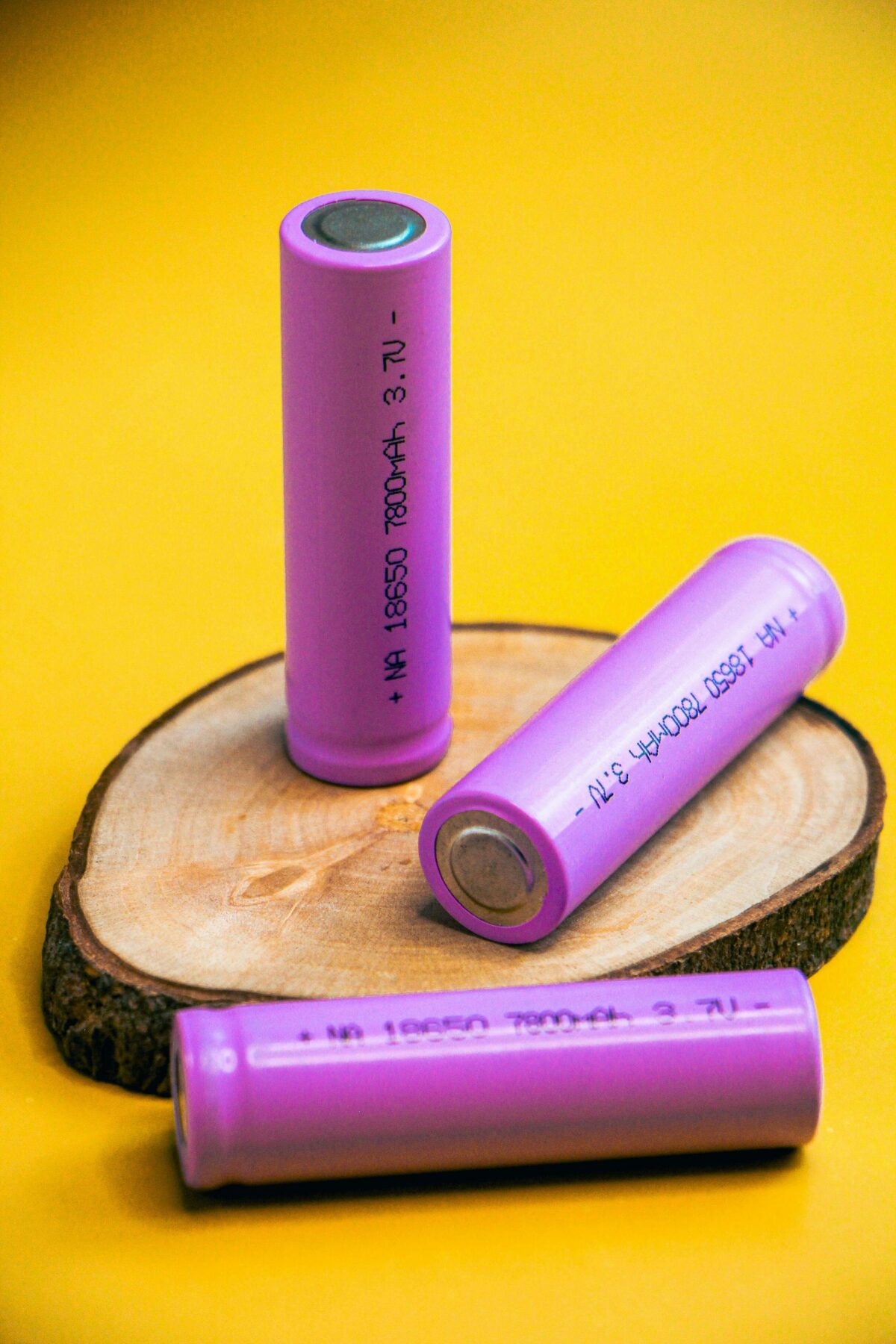
Vape batteries are not universal. They are designed with different specifications depending on the device they power. The most common type of battery used is lithium-ion batteries, known for stable energy output and rechargeability.

The main differences include:

  • Battery capacity (higher capacity = longer usage time)

  • Power output (affects vapour production strength)

  • Battery structure (integrated batteries vs removable batteries)

  • Safety features (overcharge and short circuit protection)

For a deeper technical breakdown of vape battery structures and safety design, you can review this detailed resource:

Integrated Batteries vs Removable Batteries

Integrated batteries are built directly into vape devices. They are simple, low-maintenance, and ideal for beginners. These systems rely on direct battery charging through USB ports and are commonly used in compact vape kits.

Removable batteries are designed for advanced users and vape mods. These replaceable batteries offer more flexibility, allowing users to swap power sources when needed. They also support higher powered vaping and longer usage cycles.

Choosing between them depends on experience level, usage habits, and device compatibility.

Choosing the Right Battery for Your Device

Choosing the right battery for your device is one of the most important decisions in vaping safety. Using incompatible batteries can reduce performance or cause device failure.

Key factors to consider include voltage compatibility, continuous discharge rating, and physical battery size. A mismatched battery can lead to unstable power output or overheating.

Advanced users often prefer removable batteries because they support higher-powered vaping and better performance control, while beginners benefit from integrated systems.

Battery Capacity, Power Output & Performance

Battery capacity determines how long a vape lasts before requiring battery charging. Higher-capacity batteries are ideal for frequent users because they provide extended usage time.

Power output affects vapour density and flavour intensity. Devices requiring higher power output must use batteries designed for stable energy delivery.

Understanding continuous discharge rating is essential because it defines how safely a battery can release energy without overheating or damage.

Battery Safety: Essential Practices for UK Users

Battery safety is critical for preventing accidents and maintaining device performance. Lithium-ion batteries must be handled carefully to avoid risks such as short circuit, overheating, or leakage.

Avoiding overcharging is one of the most important safety steps. Leaving batteries connected to chargers longer than necessary can reduce lifespan and damage internal cells.

Proper storage also matters. Batteries should always be stored in protective cases away from heat, moisture, and metal objects.

Higher Capacity vs Higher Powered Batteries

Higher capacity batteries are designed for longer usage time, making them suitable for daily vaping without frequent charging. Higher-powered batteries, however, are designed for stronger performance and are often used in vape mods.

While both improve the vaping experience, safety features must always be considered. Not every device supports high power output, so compatibility is essential.

A mismatch between battery type and device can reduce efficiency or damage internal components.

Battery Charging and Maintenance Best Practices

Proper battery charging improves both performance and lifespan. Always use recommended chargers designed for rechargeable batteries.

Avoiding overcharging helps maintain cell health and prevents overheating. Charging should be monitored and stopped once fully charged.

Maintenance also includes keeping batteries clean and ensuring terminals are free from dust or residue. Damaged batteries should never be reused.

Safety Features in Modern Vape Batteries

Modern vape batteries include built-in safety features designed to protect users and devices. These include:

  • Short circuit protection

  • Overcharge protection

  • Temperature regulation

  • Over-discharge prevention

These systems improve reliability, but user responsibility is still essential for safe operation.

Environmental Responsibility and Recycling

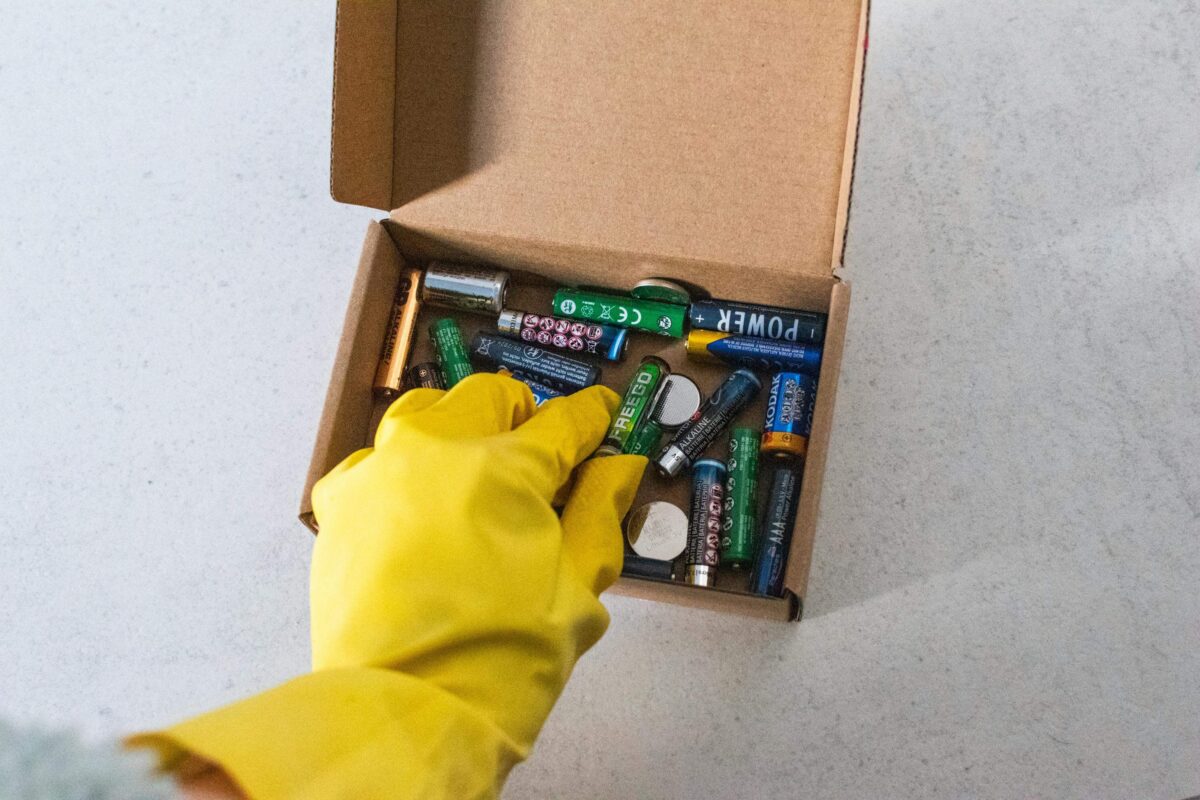
Vape batteries should never be disposed of in general waste due to the chemicals inside lithium-ion batteries. Proper recycling ensures safe environmental handling and material recovery.

Users in the UK are encouraged to recycle used batteries through approved systems that support safe disposal and sustainability practices.

Common Mistakes to Avoid

Many vape users unknowingly reduce battery life by making avoidable mistakes. These include using incorrect chargers, ignoring compatibility requirements, and exposing batteries to heat or moisture.

Another common issue is mixing old and new batteries in devices that require multiple cells. This creates an imbalance and increases safety risks.


How Long Do Vape Batteries Last?

Key Takeaways

Understanding how long a vape battery lasts is essential for anyone using a vape device, vape pen, vape mod, or complete vape kits. The answer is not fixed because vape battery lifespan depends on MAH ratings, charge cycle usage, battery capacity, and how often your vape is required in daily routines. Most vape batteries gradually weaken over time rather than failing suddenly, which directly impacts vaping experience and device performance. 

How Long Does a Vape Battery Last?

A vape battery typically lasts between 6 months and 2 years, depending on usage, MAH ratings, charge cycles, and device type. Higher capacity batteries last longer per charge but still degrade over repeated use, especially in frequently used vape devices and vape kits.

What Determines How Long Does a Vape Battery Lasts?

The lifespan of vape batteries is mainly determined by how often the vape device is used and how many charge cycles it goes through. Every time you charge your vape, it completes part of a cycle, and over time, this reduces overall battery lifespan.

Frequent users of a vape pen or vape mod will notice faster battery wear because the battery runs through more daily cycles. Even high-quality batteries lose efficiency after repeated charging your vape, especially when used at high power settings.

Temperature exposure also plays a major role. Leaving a vape device in hot environments or storing it incorrectly can reduce battery capacity and shorten long-term performance.

Battery Capacity, MAH Ratings, and Real Performance

MAH ratings determine how long a vape battery lasts between charges. A higher MAH rating means higher capacity, which supports longer vaping sessions and fewer interruptions during daily use.

However, higher capacity does not prevent degradation. Even large batteries gradually weaken after repeated charge cycles. The difference is that higher-capacity batteries maintain usable performance for longer before noticeable decline occurs.

A vape mod with higher MAH ratings often delivers more stable power output compared to compact vape pens, which require more frequent charging your vape due to smaller internal cells.

Types of Vape Batteries and Their Lifespan

There are two main types of vape batteries used in modern vape devices.

Built-in batteries are common in compact vape pens and entry-level vape kits. These batteries are sealed inside the device and cannot be replaced. Once performance declines, the entire device is usually replaced.

External batteries are used in advanced vape mod systems. These can be removed and stored safely in a battery case when not in use. They offer better long-term flexibility because individual batteries can be replaced instead of discarding the entire device.

Both types are affected by charge cycle degradation, meaning every full charge slightly reduces long-term battery lifespan regardless of design.

Charging Habits and Their Impact on Battery Life

Charging habits play a critical role in determining how long a vape battery lasts. Overcharging or allowing the battery to fully drain too often reduces internal stability and long-term efficiency.

A balanced charging routine helps maintain consistent performance. Keeping the battery within moderate charge levels improves overall vaping experience and reduces strain on internal cells.

Even advanced vape kits with smart power management systems are still affected by poor charging habits over time, making proper use essential for all users.

Vape Device Usage and Battery Drain

Different vape devices drain batteries at different rates. A high-powered vape mod uses more energy per puff compared to a compact vape pen, meaning faster battery runs and more frequent charging cycles.

Devices with adjustable wattage settings also affect battery usage. Higher wattage increases power demand, which reduces how long a vape battery lasts per charge.

Frequent usage sessions accelerate wear, especially when the device is used continuously without breaks.

External Batteries vs Built-In Systems

External batteries provide better long-term usability because they can be replaced individually when performance declines. This makes them more suitable for heavy users who rely on consistent output from their vape mod.

Built-in systems found in many vape pens and starter vape kits are simpler but less flexible. Once battery capacity drops, replacement options are limited.

External batteries also benefit from proper storage in a battery case, which helps reduce environmental exposure and improves long-term stability.

Battery Lifespan in Real-World Usage

In real-world conditions, how long a vape battery lasts depends on usage patterns. Light users may experience up to two years of use, while heavy users may notice reduced performance within months due to frequent charge cycles.

As batteries age, the most noticeable change is reduced runtime. The vape device may not last as long after being fully charged, and the power output may feel weaker during use.

These changes happen gradually and are a normal part of battery degradation.

Environmental Responsibility and Vape Battery Disposal

As vape batteries reach the end of their lifespan, proper disposal becomes important to reduce environmental impact. Batteries should never be thrown in general waste due to chemical and recycling concerns.

Responsible disposal methods include structured vape battery recycling systems that safely process used components and recover valuable materials. This is especially important for external batteries used in vape mod devices.

Disposable systems also require careful handling. Dedicated recycling options for disposable vape devices help reduce landfill waste and support sustainable vaping practices.

Users who frequently upgrade vape kits should follow proper recycling channels to ensure safe and responsible disposal of old components.

How to Extend Vape Battery Lifespan

Battery lifespan can be extended through simple daily habits. Avoiding extreme heat, preventing full discharges, and using compatible chargers all help maintain stable performance.

Storing external batteries in a protective battery case reduces physical damage and improves long-term reliability. Choosing higher capacity batteries also reduces stress caused by frequent charging cycles.

Maintaining proper usage habits ensures a better vaping experience and reduces the need for early replacement of vape devices or vape kits.

Over time, vape batteries lose charging capacity and may become less efficient. You should also practice safe vape battery recycling to reduce environmental waste and safely dispose of expired vape batteries. Proper storage and charging habits can further extend battery performance.

Signs Your Vape Battery Needs Replacement

As vape batteries degrade, several performance changes become noticeable. The most common sign is reduced usage time, meaning the battery drains faster than before.

Another sign is inconsistent output from the vape device, where vapour production becomes weaker or uneven. Longer charging times also indicate declining internal capacity.

These symptoms usually appear after many repeated charge cycles and signal that the battery is nearing the end of its usable lifespan.

Where Are Disposable Vapes Banned?

Key Takeaways

Disposable vapes are now under the imposition of strict regulations due to a number of significant reasons. One primary concern is the impact they have on the environment, as these products contribute to waste and pollution. In addition to environmental issues, there has been a noticeable rise in nicotine consumption among young people, which poses serious public health risks. Furthermore, there are ongoing challenges associated with the management of tobacco products and the effectiveness of smoking cessation strategies. Collectively, these factors have prompted lawmakers and health organizations to take action, leading to stricter rules governing the sale and use of disposable vaping devices.

Many countries are implementing a vape ban or restricting the supply of single-use vapes through national legislation.

Are disposable vapes banned in the UK?

The UK has implemented a single-use vape prohibition through the Tobacco and Vapes Bill. Starting in June 2025, selling or supplying disposable vape items will be illegal.

Where Are Disposable Vapes Banned?

In various countries around the world, the sale of disposable vapes has either been completely banned or is subject to strict regulations. For example, in the United Kingdom, there is set to be a ban that will take effect in June 2025. Additionally, places like Singapore, Thailand, India, and France are also implementing similar prohibitions. Furthermore, several other regions are considering or have already introduced partial or complete restrictions regarding the sale and distribution of vape products. This is largely in response to growing concerns about youth vaping and the potential negative environmental impact associated with these disposable devices.

Several countries and local governments are introducing regulations to limit the sale of disposable vaping products due to growing environmental concerns. As more regions introduce restrictions on disposable vaping products, vape recycling after the ban becomes increasingly important for reducing electronic waste and managing used vape devices responsibly. Proper disposal programs can also help recover recyclable battery materials and reduce landfill waste.

Why Disposable Vape Products Are Being Banned Worldwide

The ban on disposable vapes is being enacted as a response to several significant issues. One major concern is the environmental pollution caused by these products, which contribute to waste problems that affect our planet. Additionally, there has been a notable increase in nicotine use among young people, raising alarms about the potential long-term health effects and the addiction risk associated with early exposure to nicotine. Furthermore, there are worries that the variety of vape flavors available may entice younger individuals to try these products, leading to premature addiction. Therefore, addressing these factors has prompted lawmakers to take action by implementing bans on disposable vaping devices.

Governments are increasingly targeting disposable vape devices because they contribute to environmental waste and higher nicotine use among young people. These products often include vape flavours that make them appealing to youth, which has raised public health concerns globally.

A major issue is the rapid increase in the supply of single use devices, which has led to millions of disposable vapes entering waste systems every week. This creates recycling challenges, landfill pressure, and fire risks in waste facilities.

Regulators are now focusing on tighter control of the sale and supply of vape products to reduce long-term addiction risks and environmental harm.

UK Single-Use Vapes Ban and Tobacco and Vapes Bill

The United Kingdom has introduced one of the most significant regulatory changes through the single use vapes ban, which comes into effect in June 2025 under the wider tobaccsingle-use vapeo and vapes bill.

This law makes it illegal to sell or supply disposable vape devices in both physical stores and online platforms. The policy is designed to reduce environmental waste and limit youth access to nicotine products.

This regulation is part of a broader public health strategy aimed at tackling youth vaping and reducing reliance on disposable nicotine products.

Are vape products still legal in some countries?

Some countries like the United States and Canada still allow vape products but regulate them through restrictions on flavours, advertising, and product approval systems.

Countries With Full or Partial Vape Ban Laws

Several countries have already implemented strict bans or limitations on disposable vape devices.

Singapore enforces a complete ban where all vape products are illegal to import, sell, or use. Thailand and India also maintain strict enforcement policies with severe penalties for possession and distribution.

France has approved legislation targeting disposable vape products due to concerns over environmental waste and youth usage. Other European countries are moving toward similar restrictions as part of wider environmental and health policies.

Australia uses a prescription-based system where vape products are only accessible for smoking cessation under medical supervision.

Environmental Impact Driving Vape Ban Policies

Disposable vape devices contribute significantly to electronic waste. Each device contains a lithium battery, plastic casing, and chemical components that are difficult to recycle. Improper disposal increases pollution and fire hazards in waste management systems.

The rapid growth in millions of disposable vapes being discarded annually has pushed governments to act faster on regulation. Environmental agencies have identified these products as a major sustainability challenge requiring urgent policy intervention.

Global Regulation Trends on Vape Products

Many countries not enforcing full bans are still tightening regulations. Canada and New Zealand are focusing on limiting vape flavours and reducing youth exposure. The United States continues to regulate vape products through product approval systems rather than full bans.

This global movement reflects a shift toward stronger control of nicotine products and increased protection for younger populations.

Impact of the Single-Use Vape Ban on Industry

The introduction of a single-use vape ban is significantly changing the vaping industry. Retailers are required to remove disposable products from shelves and transition to reusable alternatives. This has reduced the overall supply of disposable vapes in regulated markets.

Manufacturers are also shifting toward refillable and rechargeable devices to comply with new regulations.

Consumers are experiencing reduced access to flavoured disposable vape products as governments focus on limiting youth appeal and nicotine dependency.

The single use vapes ban reduces environmental waste, limits youth access, and forces retailers to move toward reusable vape systems instead of disposable products.

Health Concerns Behind Vape Restrictions

Health authorities continue to highlight concerns that disposable vape products may increase nicotine addiction, particularly among young people. Easy access and appealing flavours contribute to early exposure, increasing the risk of long-term dependency.

At the same time, regulated vaping is still recognised in some regions as part of smoking cessation strategies under controlled medical or legal frameworks.

Why Should You Recycle Vapes?

Key Takeaways

You should recycle vapes because they contain lithium batteries, metals and plastics that become hazardous in landfill. Proper recycling, one key reason why vapes should be recycled, prevents fire risks, reduces environmental pollution, and allows valuable materials to be recovered through UK recycling centres and approved recycling points.

Why Vape Recycling Is Becoming More Important in the UK

If you’re asking why you should recycle vapes in the UK, disposable devices generate growing electronic waste streams that cannot be treated as household waste. These products contain mixed materials that require specialist processing in recycling facilities.

Without proper recycling, these devices contribute to landfill expansion and increase environmental contamination risks across the UK.

Environmental Risks Linked to Vape Disposal

So, why should you recycle vapes? Vapes are small but environmentally significant. When discarded incorrectly, they release harmful chemicals and micro-residues into soil and water systems. The combination of metals and plastics means they do not degrade safely over time.

Another major issue is that lithium batteries inside vapes can ignite if crushed during waste collection or compacted in recycling bins, creating safety hazards for workers and transport systems.

How Vape Waste Affects Recycling Systems

Improper disposal of vapes disrupts waste management operations. When mixed with household waste, they reduce the efficiency of sorting systems and increase contamination rates in recycling streams.

This negatively impacts recycling facilities, as damaged batteries and mixed materials can slow processing lines and require manual separation. Over time, this increases operational costs and reduces recycling efficiency across the system.

Correct Way to Dispose of Vapes in the UK

Vapes must never be placed in household waste or standard recycling bins. Instead, they should be taken to authorised recycling centres or local recycling points designed for electronic waste.

The correct disposal process ensures that components are separated and processed safely. Many users rely on a recycling locator to find a suitable drop-off location near them, ensuring proper handling of electronic devices.

Battery Safety and Separation Requirements

Lithium batteries inside vapes require special attention due to their reactive nature. If possible, users should carefully remove the battery and send it for dedicated processing through certified battery recycling systems.

Specialised processes such as vape battery recycling ensure that energy cells are handled safely and prevent fire hazards during transport or storage.

Recycling of Vape Liquids and Residues

Residual vape liquid must also be managed responsibly. These substances can contain nicotine and chemical compounds that should not enter general waste systems.

Controlled treatment methods, such as vape liquid recycling ensure safe neutralisation and environmental protection during disposal.

Disposable and Rechargeable Vape Differences

Not all vape devices are treated the same in recycling systems. A disposable vape is typically processed as a single electronic unit, while rechargeable models require separation of components.

Specialised services like disposable vape recycling and rechargeable vape recycling ensure each type is handled correctly according to material structure and battery configuration.

Role of Local Recycling Centres and Collection Systems

Local recycling infrastructure plays a key role in managing vape waste. Recycling centres and recycling points ensure that electronic waste is diverted from landfill and processed safely.

These systems form part of wider waste collection strategies that support national environmental goals. They help reduce pollution, improve resource recovery, and ensure compliance with UK waste regulations.

Why Proper Vape Recycling Supports Sustainability

Recycling vapes allows valuable materials such as metals and plastics to be reused in manufacturing. This reduces the need for raw material extraction, lowers carbon emissions, and supports circular economy practices.

It also reduces pressure on landfill sites and improves the efficiency of recycling facilities across the UK.

Are Vape Pods Disposable or Reusable?

Key Takeaways

Vape pods are both disposable and reusable, depending on the type. Pre-filled vape pods are disposable after use, while refillable vape pods are reusable and can be refilled multiple times with e-liquid. The system you choose determines whether the pod is single-use or long-term. This UK vape pods guide explains your options and helps you choose based on cost, convenience, and sustainability.

Users are actively trying to understand the difference between vape pod systems, disposable vape devices, and refillable alternatives. Many shoppers literally search for ‘vape pods, disposable or reusable’ when comparing systems.

Vape pods sit between convenience and sustainability, making them a key alternative to single-use vaping products. This guide explains exactly how they work, which types exist, and which option is best depending on usage and cost.

What Vape Pods Are

Vape pods are compact cartridges used in modern pod vaping systems. They hold e-liquid and attach to a rechargeable battery device that heats the liquid into vapour.

Unlike bulky vape kits, pod systems are designed for simplicity, portability, and ease of use. They are widely used in the UK due to their balance between performance and convenience.

Are Vape Pods Disposable or Reusable?

The core question is whether vape pods are disposable or reusable, which depends entirely on the pod system design.

Pre-filled vape pods are disposable because they are discarded once the e-liquid inside is finished. However, the battery device remains reusable, which separates them from fully disposable vape devices.

Refillable vape pods are reusable because they can be filled multiple times with e-liquid. Only the coil or pod may need replacement after extended use, making them a longer-lasting solution.

This difference is important for cost, sustainability, and long-term vaping habits.

Pre-Filled Vape Pods

Pre-filled vape pods are designed for instant use. They come filled with e-liquid and require no maintenance or refilling.

Once the pod runs out, it is replaced with a new one. This makes them convenient but also creates more waste compared to refillable systems.

Refillable Vape Pods (Reusable Pod System Explained)

Refillable vape pods are designed for repeated use. Users refill them with e-liquid multiple times, making them significantly more cost-efficient over time.

They also allow better control over flavour strength and nicotine levels, which is why experienced UK vapers prefer them.

Vape Pods vs Disposable Vapes

Vape pods and disposable vapes are often confused, but they serve different purposes.

Disposable vapes are single-use devices that are discarded entirely after use. Vape pods, however, are part of a rechargeable system where only the pod may be replaced.

This makes vape pods more efficient for long-term use, while disposable vapes are designed for short-term convenience.

Why Vape Pods Rank Highly in UK Search Trends

Search demand for vape pods is increasing because users are shifting away from fully disposable vape products due to cost and environmental concerns.

Pod systems offer:

  • Lower long-term expense

  • Better flavour consistency

  • Reduced waste output

  • More control over nicotine intake

This combination makes them one of the most searched vaping alternatives in the UK market.

Environmental Impact

Refillable vape pods reduce environmental waste because they eliminate the need for constant device disposal. Pre-filled pods still generate waste, but significantly less than fully disposable vape systems.

As UK vaping regulations evolve, reusable pod systems are increasingly positioned as the more sustainable option.

What Chemicals Are in Disposable Vapes?

Key Takeaways

A key concern for users of disposable vapes and vape products in the UK is the components of the liquid, especially with rising awareness of toxic chemicals, nicotine risks, and long-term health effects linked to electronic cigarette use. Many ask about what chemicals are in disposable vapes when considering potential benefits and risks. 

These devices are designed to deliver vapour using a mixture of propylene glycol and vegetable glycerin. These base liquids are commonly found in vape products and help produce vapour when heated inside an electronic cigarette device. Nicotine is often added as an addictive substance, making many of these disposable devices highly addictive and closely linked to traditional cigarettes dependency patterns.

Disposable vapes typically use propylene glycol and vegetable glycerin as base liquids, often with added nicotine and flavourings; heating these ingredients can generate additional harmful by-products. Trace heavy metals from heating components may appear in the aerosol, creating inhalation risks that are lower than cigarettes but still significant. Nicotine drives addiction, and long-term lung effects from repeated exposure to solvents, flavourings, and metal particles remain a concern, even in nicotine-free products. Understanding these chemicals helps users assess potential respiratory and overall health risks.

What Chemicals Are In Disposable Vapes and Why They Matter

These devices contain a mix of ingredients that may include nicotine, flavourings, and chemical carriers. The most common base components are propylene glycol and vegetable glycerin, which help deliver flavour and vapour density. Understanding the chemicals in disposable vapes helps users evaluate potential exposure and safety. Studies show that when heated, these substances can break down into harmful chemicals depending on temperature and device quality.

Some vape products also contain trace levels of heavy metals, which may come from heating coils. These metals can enter the vapour and may pose risks when inhaled repeatedly over time. Compared with traditional cigarettes, these devices reduce combustion exposure but still introduce chemical inhalation risks.

Propylene Glycol and Vape Composition Risks

Propylene glycol is widely used in food and pharmaceutical products, but inhalation through vape products is different from ingestion. Research from vaping safety studies highlights that overheating propylene glycol can produce irritant compounds that may affect lung health. In some cases, exposure to these breakdown products may contribute to long-term respiratory issues, including irritation linked to lung disease.

Vegetable glycerin is used to create thicker vapour clouds, but it can also break down under high heat. When combined with flavouring agents, it may form additional harmful chemicals. This process varies depending on device settings and usage habits, making exposure levels inconsistent across different devices.

Nicotine, Addiction, and Vape Products

Nicotine remains one of the most important ingredients in disposable vapes. It is an addictive substance that directly affects brain receptors, making quitting difficult for many users. This is why vape products are often considered highly addictive, especially among young users transitioning from traditional cigarettes.

Some are labelled as nicotine-free, but users should still be cautious. Even without nicotine, other harmful chemicals may still be present due to heating reactions. Public health research highlights that switching from cigarettes to vaping habits does not eliminate all health risks, especially when inhaling aerosolised chemicals regularly.

Heavy Metals and Toxic Exposure

Exposure to heavy metals in vape aerosols has been increasingly documented in recent studies. These metals may originate from internal heating components and can include substances such as nickel and lead. Over time, inhalation of these particles may contribute to respiratory stress and potential long-term lung disease risks.

According to chemical safety research, these exposures are lower than those found in combustible cigarettes, but they are not negligible. The presence of toxic chemicals in disposable vapes remains a concern for regulators and health authorities monitoring vape product safety.

Lung Health and Long-Term Risks

Long-term use of these vapes may impact lung health due to repeated exposure to aerosolised chemicals. While traditional cigarettes are strongly linked to severe respiratory illness, vape products still carry risks due to inhaled solvents, flavourings, and metal particles. Studies on lung disease suggest that chronic exposure to inhaled irritants may contribute to inflammation and reduced lung function over time.

Users should be aware that even nicotine-free vape products may still expose the lungs to chemical by-products formed during heating. These exposures are not fully understood, and research is ongoing.

Disposable Vape Chemicals

They typically include nicotine, propylene glycol, vegetable glycerin, flavourings, and possible trace heavy metals. When heated, these ingredients may produce additional harmful chemicals that can affect respiratory health. Compared with traditional cigarettes, these products may reduce some risks but still present exposure to addictive and potentially harmful substances.

Are Disposable Vapes Bad for The Environment?

Key Takeaways

Disposable vapes are bad for the environment. They create plastic waste, release harmful chemicals, and contain lithium battery components that are often disposed of in general waste, causing pollution and loss of valuable materials when not taken to a proper recycling point in the UK.

Are Disposable Vapes Bad for The Environment?

This issue has become increasingly important as a million disposable vapes and a million single-use vapes are used in the UK every year, most of which are discarded without proper recycling. These devices are often thrown into general waste, where these vapes are thrown incorrectly and contribute to long-term pollution problems.

The environmental concern grows because each single-use vape contains plastic, electronic equipment components, and a lithium battery that cannot safely break down in natural environments. When these materials are not processed correctly, they pollute the environment and increase pressure on waste management systems across the UK.

Environmental impact of disposable vapes: bad disposal habits

Disposable vapes’ bad environmental outcomes are directly linked to poor disposal practices. Research highlights that these devices include plastic casing and chemical residue that can leak into soil and water systems when not recycled properly.

The material focus of these devices shows that lithium battery components are especially harmful when mixed with general waste. These batteries can release toxic substances and reduce recovery rates of valuable materials that could otherwise be reused in manufacturing systems similar to electric vehicles’ energy recovery processes.

Why waste management systems struggle with single-use vape products

Waste management systems in the UK are under pressure due to increasing electronic equipment disposal from vaping products. These products are bad for recycling efficiency because they are small, widely used, and frequently discarded incorrectly. When single-use vape devices enter general waste, recycling centres cannot easily recover their lithium battery content or plastic materials.

Government environmental analysis shows that proper disposal through recycling point systems is essential for reducing environmental harm. Without these systems, valuable materials are lost, and harmful chemicals increase environmental contamination risks.

Material breakdown and environmental risks

Each single use vape includes plastic housing, electronic components, and lithium battery cells that require specialist recycling. When these devices are not processed correctly, harmful chemicals can enter ecosystems and increase pollution levels in urban and natural environments. Young people are among the most frequent users, which increases disposal rates and environmental pressure over time.

Studies on environmental pollution highlight that disposable vape waste can also contribute to marine pollution when littered or incorrectly discarded.

Recycling point importance and responsible disposal

Proper disposal at a recycling point is essential to reduce environmental harm. Many UK schemes now accept electronic equipment such as single use vape devices, ensuring lithium battery recovery and plastic recycling are handled safely. These systems help reduce landfill dependency and support recovery of valuable materials that would otherwise be wasted.

Ban on disposable vapes and UK environmental policy June 2025

A proposed ban on disposable vapes is being considered in the UK due to rising environmental concerns and waste management challenges. By June 2025, new regulations may aim to reduce single use vape consumption and encourage reusable alternatives. These changes are designed to reduce plastic waste, improve recycling efficiency, and limit lithium battery pollution.

Environmental policy updates also support reducing electronic waste and improving sustainability across consumer products.

Disposable vapes are bad for the environment because they increase landfill waste, release harmful chemicals, and reduce the recovery of valuable materials when these products are thrown into general waste instead of recycling systems. The impact is driven by plastic waste, lithium battery contamination, and poor waste management practices across the UK. In short, the conclusion that “disposable vapes bad for the environment” reflects current UK evidence on plastic, chemicals, and lithium battery waste. It is advisable to book a disposable vape collection.

How Is Vape Liquid Made?

Key Takeaways

What is Vape Juice  Made Of

Vape juice consists of carefully selected raw materials that determine its final performance. Propylene glycol pg vegetable carries flavour and enhances throat hit, while vegetable glycerin vg creates smooth vapour production and dense clouds.

Nicotine and flavourings are added in precise amounts depending on the desired strength and taste profile. Some blends use nicotine salts to reduce harshness, while others use freebase nicotine for a stronger sensation. These differences influence sweetness, throat hit, and overall vaping experience.

How Is Vape Liquid Made? Full Manufacturing Process

The manufacturing process of vape juice begins with selecting high-quality ingredients. Every batch relies on precise measurement of raw materials to ensure consistency and safety.

Manufacturers first combine propylene glycol and vegetable glycerin to form the base. Higher PG content creates a stronger throat hit and sharper flavour delivery, while high VG juices produce smoother inhalation and denser vapour clouds. This ratio is adjusted depending on the intended vaping style.

Next, flavour concentrates made from food grade flavourings are added. These ingredients are designed to remain stable during heating and produce consistent liquid flavours such as fruit, menthol, dessert, or tobacco profiles.

Nicotine is then introduced into the mixture. Nicotine salts are commonly used in modern nic salt e liquids because they allow higher nicotine strengths without harshness. Freebase nicotine is still used where a stronger throat hit is preferred.

After mixing, the vape juice undergoes steeping, allowing all components to fully integrate. This improves sweetness, balance, and vapour production consistency.

Nicotine and Flavourings in Vape Products

Nicotine and flavourings define the overall vaping experience. Nicotine controls satisfaction levels while flavourings influence taste and aroma.

Nicotine salts are widely used because they provide smoother inhalation at higher nicotine strengths. Freebase nicotine delivers a stronger throat hit, which some users prefer for a more traditional smoking sensation.

Flavourings are made using food grade flavourings designed for heating applications. These flavour concentrates must remain stable under high temperatures to ensure consistent vapour production and flavour delivery.

PG and VG Balance in Vape Juice

The balance between propylene glycol pg vegetable and vegetable glycerin vg determines how vape juice performs. Higher PG content increases throat hit and flavour intensity, while high VG juices create smoother vapour and larger clouds.

This ratio is critical because it affects how nicotine and flavourings are delivered to the user. Manufacturers adjust PG/VG levels depending on whether the product prioritises flavour, throat hit, or vapour production.

Inside the Vape Juice Manufacturing Process

The vape juice manufacturing process is highly controlled to ensure safety and consistency. Raw materials are blended in sterile environments to prevent contamination and maintain product integrity.

Each ingredient is mixed using industrial equipment to ensure even distribution. This guarantees that nicotine and flavour concentrates are evenly spread throughout the liquid.

After blending, the liquid is steeped to allow full integration of ingredients. It is then tested for purity, strength, and consistency before bottling.

Quality Control and Safety Standards

Quality control ensures every batch of vape juice meets strict safety requirements. Testing verifies nicotine accuracy, flavour consistency, and absence of contaminants.

Only quality ingredients are used to maintain product stability and safety. This ensures that vape products deliver consistent vapour production and flavour across all batches.

Environmental Responsibility in Vape Production

Modern vape manufacturing also considers environmental impact. Proper recycling and disposal of packaging materials and devices help reduce waste and support sustainability in the vaping industry.

How vape liquid is made involves a precise process of blending propylene glycol, vegetable glycerin vg, nicotine and flavourings, and food grade flavourings under controlled conditions. Whether using nicotine salts or freebase nicotine, the manufacturing process ensures consistent vape juice quality, flavour, and vapour production across all vape products.