Key Takeaways
- A vape battery's lifespan typically ranges from 6 months to 2 years, depending on usage, MAH ratings, and how often the vape device goes through charge cycles. Every time you charge your vape, the battery completes part of a charge cycle, and repeated cycles gradually reduce overall performance.
- Higher-capacity batteries generally last longer per use, but even high-quality batteries in vape kits, vape pens, and vape mod systems will eventually weaken over time. The question of how long a vape battery lasts is mainly answered by usage habits rather than time alone.
- Proper charging habits, avoiding full discharges, and preventing overheating can significantly extend battery life. External batteries stored safely in a battery case usually last longer because they can be replaced individually, unlike built-in systems found in many vape devices.
- A declining battery is usually noticeable when the battery runs out faster, takes longer to fully charge, or delivers weaker performance during use. Responsible disposal and recycling are also important once the battery lifespan ends to reduce environmental impact.
Understanding how long a vape battery lasts is essential for anyone using a vape device, vape pen, vape mod, or complete vape kits. The answer is not fixed because vape battery lifespan depends on MAH ratings, charge cycle usage, battery capacity, and how often your vape is required in daily routines. Most vape batteries gradually weaken over time rather than failing suddenly, which directly impacts vaping experience and device performance.
How Long Does a Vape Battery Last?
A vape battery typically lasts between 6 months and 2 years, depending on usage, MAH ratings, charge cycles, and device type. Higher capacity batteries last longer per charge but still degrade over repeated use, especially in frequently used vape devices and vape kits.
What Determines How Long Does a Vape Battery Lasts?
The lifespan of vape batteries is mainly determined by how often the vape device is used and how many charge cycles it goes through. Every time you charge your vape, it completes part of a cycle, and over time, this reduces overall battery lifespan.
Frequent users of a vape pen or vape mod will notice faster battery wear because the battery runs through more daily cycles. Even high-quality batteries lose efficiency after repeated charging your vape, especially when used at high power settings.
Temperature exposure also plays a major role. Leaving a vape device in hot environments or storing it incorrectly can reduce battery capacity and shorten long-term performance.
Battery Capacity, MAH Ratings, and Real Performance
MAH ratings determine how long a vape battery lasts between charges. A higher MAH rating means higher capacity, which supports longer vaping sessions and fewer interruptions during daily use.
However, higher capacity does not prevent degradation. Even large batteries gradually weaken after repeated charge cycles. The difference is that higher-capacity batteries maintain usable performance for longer before noticeable decline occurs.
A vape mod with higher MAH ratings often delivers more stable power output compared to compact vape pens, which require more frequent charging your vape due to smaller internal cells.
Types of Vape Batteries and Their Lifespan
There are two main types of vape batteries used in modern vape devices.
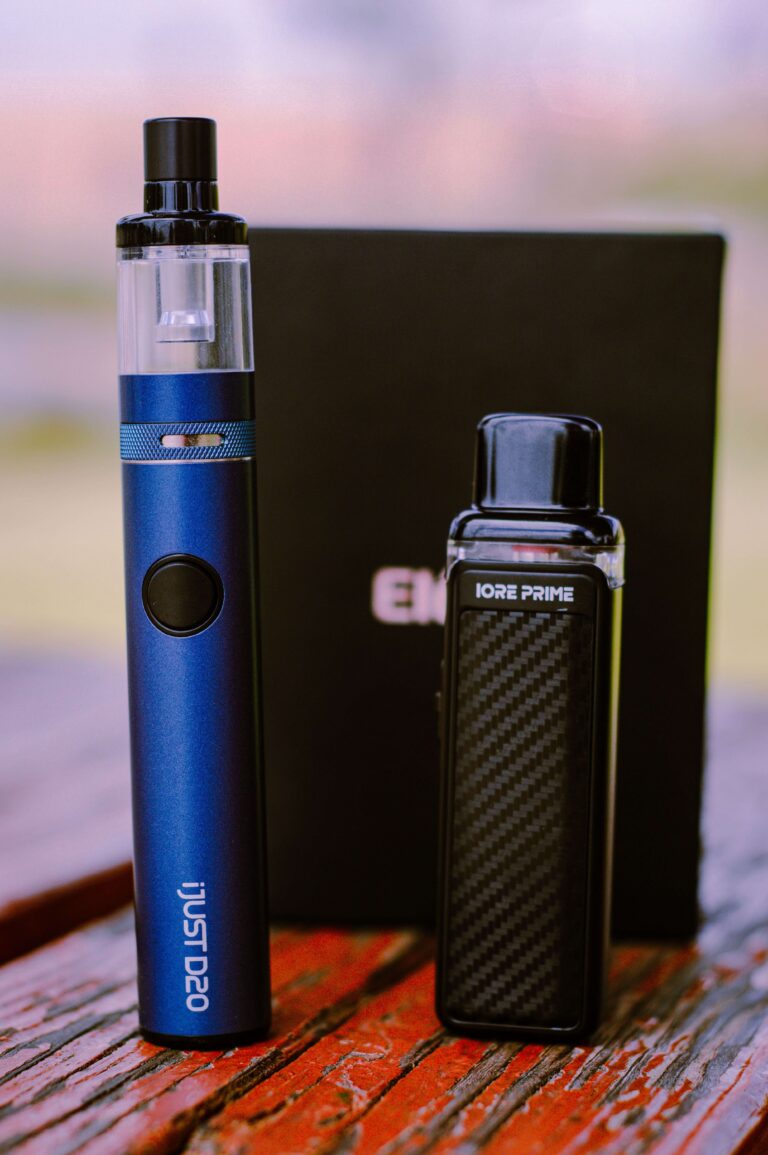
Built-in batteries are common in compact vape pens and entry-level vape kits. These batteries are sealed inside the device and cannot be replaced. Once performance declines, the entire device is usually replaced.
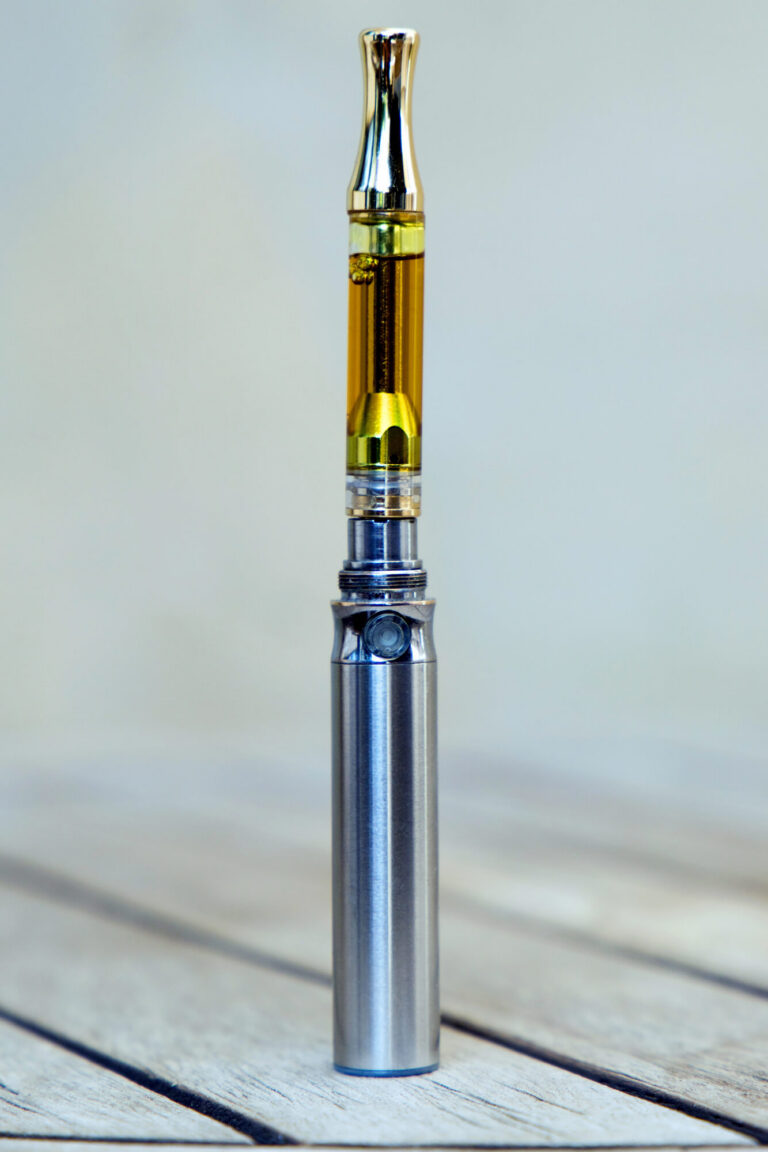
External batteries are used in advanced vape mod systems. These can be removed and stored safely in a battery case when not in use. They offer better long-term flexibility because individual batteries can be replaced instead of discarding the entire device.
Both types are affected by charge cycle degradation, meaning every full charge slightly reduces long-term battery lifespan regardless of design.
Charging Habits and Their Impact on Battery Life
Charging habits play a critical role in determining how long a vape battery lasts. Overcharging or allowing the battery to fully drain too often reduces internal stability and long-term efficiency.
A balanced charging routine helps maintain consistent performance. Keeping the battery within moderate charge levels improves overall vaping experience and reduces strain on internal cells.
Even advanced vape kits with smart power management systems are still affected by poor charging habits over time, making proper use essential for all users.
Vape Device Usage and Battery Drain
Different vape devices drain batteries at different rates. A high-powered vape mod uses more energy per puff compared to a compact vape pen, meaning faster battery runs and more frequent charging cycles.
Devices with adjustable wattage settings also affect battery usage. Higher wattage increases power demand, which reduces how long a vape battery lasts per charge.
Frequent usage sessions accelerate wear, especially when the device is used continuously without breaks.
External Batteries vs Built-In Systems
External batteries provide better long-term usability because they can be replaced individually when performance declines. This makes them more suitable for heavy users who rely on consistent output from their vape mod.
Built-in systems found in many vape pens and starter vape kits are simpler but less flexible. Once battery capacity drops, replacement options are limited.
External batteries also benefit from proper storage in a battery case, which helps reduce environmental exposure and improves long-term stability.
Battery Lifespan in Real-World Usage
In real-world conditions, how long a vape battery lasts depends on usage patterns. Light users may experience up to two years of use, while heavy users may notice reduced performance within months due to frequent charge cycles.
As batteries age, the most noticeable change is reduced runtime. The vape device may not last as long after being fully charged, and the power output may feel weaker during use.
These changes happen gradually and are a normal part of battery degradation.
Environmental Responsibility and Vape Battery Disposal
As vape batteries reach the end of their lifespan, proper disposal becomes important to reduce environmental impact. Batteries should never be thrown in general waste due to chemical and recycling concerns.
Responsible disposal methods include structured vape battery recycling systems that safely process used components and recover valuable materials. This is especially important for external batteries used in vape mod devices.
Disposable systems also require careful handling. Dedicated recycling options for disposable vape devices help reduce landfill waste and support sustainable vaping practices.
Users who frequently upgrade vape kits should follow proper recycling channels to ensure safe and responsible disposal of old components.
How to Extend Vape Battery Lifespan
Battery lifespan can be extended through simple daily habits. Avoiding extreme heat, preventing full discharges, and using compatible chargers all help maintain stable performance.
Storing external batteries in a protective battery case reduces physical damage and improves long-term reliability. Choosing higher capacity batteries also reduces stress caused by frequent charging cycles.
Maintaining proper usage habits ensures a better vaping experience and reduces the need for early replacement of vape devices or vape kits.
Over time, vape batteries lose charging capacity and may become less efficient. You should also practice safe vape battery recycling to reduce environmental waste and safely dispose of expired vape batteries. Proper storage and charging habits can further extend battery performance.
Signs Your Vape Battery Needs Replacement
As vape batteries degrade, several performance changes become noticeable. The most common sign is reduced usage time, meaning the battery drains faster than before.
Another sign is inconsistent output from the vape device, where vapour production becomes weaker or uneven. Longer charging times also indicate declining internal capacity.
These symptoms usually appear after many repeated charge cycles and signal that the battery is nearing the end of its usable lifespan.