Key Takeaways
- Lithium recovery from disposable vape devices turns discarded batteries into usable raw materials that can re-enter manufacturing supply chains, reducing dependency on newly mined resources.
- Advanced lithium-ion battery recycling improves recovery efficiency by separating metals safely, lowering processing losses, and increasing the economic return from electronic waste streams.
- A well-structured circular economy model enables continuous reuse of recovered materials, strengthening long-term resource stability and reducing pressure on finite global reserves.
- Scaled recycling facilities create measurable environmental benefits by cutting landfill contamination risks and reducing emissions linked to raw material extraction and processing.
- Growing demand from sectors like electric vehicles is increasing the strategic importance of vape waste collection systems as a secondary source of critical battery materials.
The lithium recovery economics of vape recycling explain how lithium from disposable vape devices is recovered through lithium-ion battery recycling and then reused as valuable raw materials. Often discussed as vape battery recycling economics, this field examines costs, recovery rates, and downstream value. This process reduces environmental impact, strengthens circular economy systems, supports electric vehicle demand, and creates profitable business opportunities across recycling facilities and waste management networks.
The Lithium Recovery Economics of Vape Recycling
The lithium recovery economics of vape recycling is a growing area within UK waste management focused on extracting value from lithium batteries in disposable vape devices. As usage increases, structured vape recycling becomes essential for recovering valuable materials, reducing waste, and improving sustainability outcomes across recycling plants.
How The Lithium Recovery Economics of Vape Recycling Works
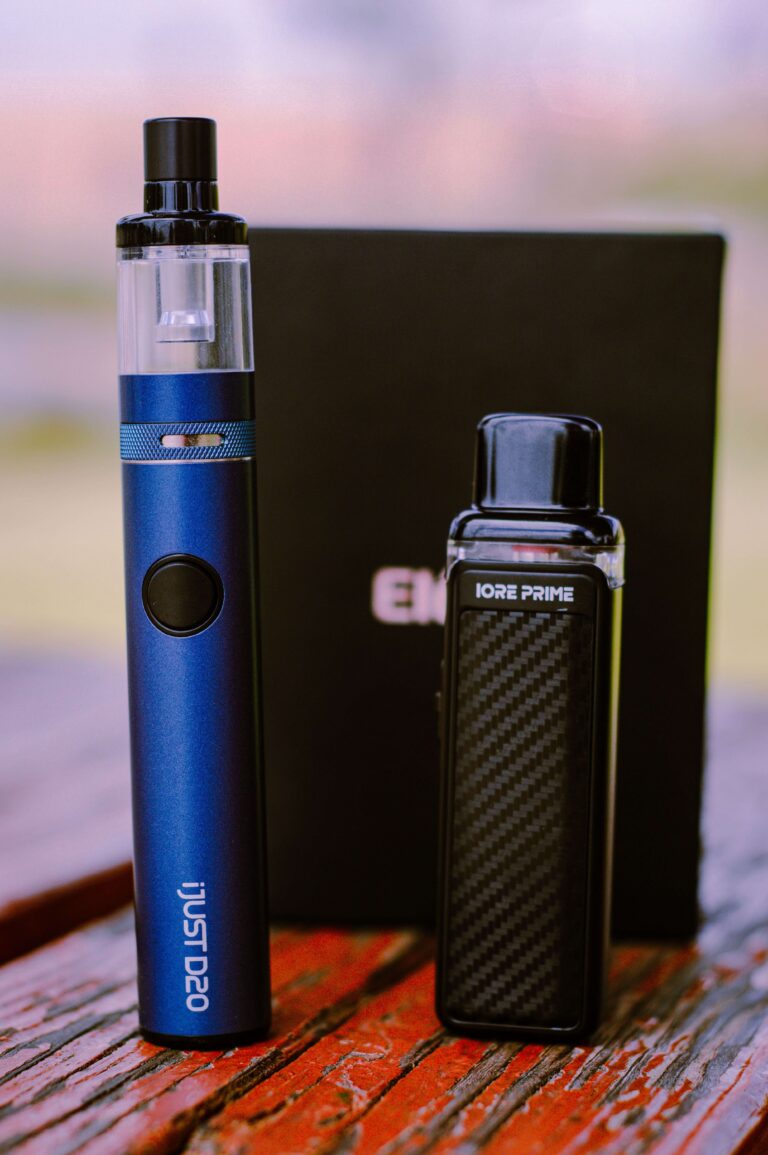
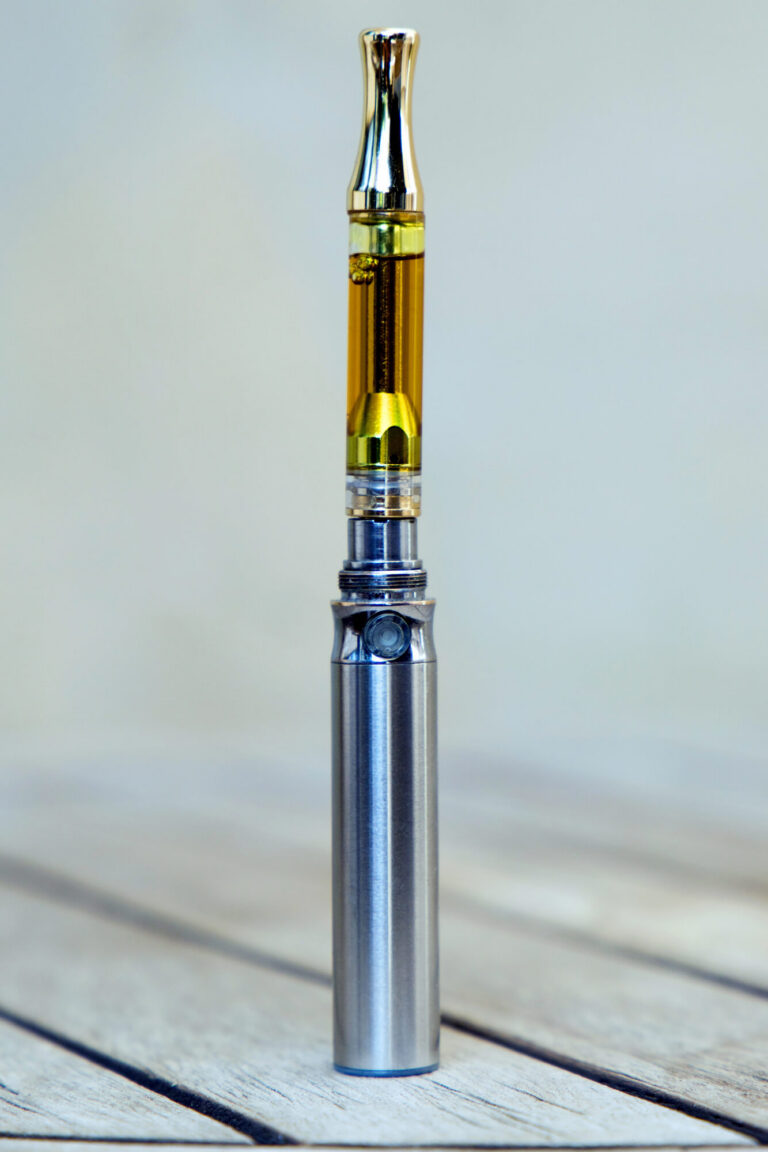
In practice, lithium recovery economics vape recycling begins when disposable vape devices enter controlled collection and recycling streams. Once collected, they are processed through specialised recycling facilities where electronic equipment is dismantled and separated into material categories.
Lithium-ion battery recycling then extracts usable metals from spent cells, ensuring safe handling and efficient recovery, often referred to in industry as lithium-ion battery recycling vape processes. These recovered outputs are reintegrated into manufacturing cycles, reducing dependency on newly mined resources.
Material Recovery and Economic Value Chain
A key driver of the lithium recovery economics of vape recycling is the recovery of valuable materials such as lithium, cobalt, and nickel. These materials are essential in modern energy storage systems and industrial production.
Recovered outputs are reintroduced into supply chains supporting electric vehicles and renewable energy systems. As vape recycling lithium recovery expands, supply resilience improves. This reduces raw material shortages and stabilises long-term pricing across global markets.
Recycling Process Efficiency and Technology
Modern recycling solutions rely on automated sorting systems and advanced thermal or hydrometallurgical techniques. These methods improve recovery rates while lowering operational costs.
Efficient recycling plants ensure that materials are processed safely and consistently. Improved logistics and smarter collection systems also increase throughput, making large-scale vape recycling economically viable.
Environmental Impact and Waste Reduction
The environmental impact of unmanaged vape waste is significant due to battery leakage and electronic contamination. Structured recycling reduces landfill pressure and prevents hazardous material release.
Through disposable vape recycling solutions, waste streams are redirected into controlled recovery systems that support environmental protection and reduce carbon emissions linked to raw material extraction.
Business Opportunities in Lithium Recovery
The growth of vape waste creates new business opportunities in recycling infrastructure, logistics, and material recovery sectors. Companies investing in lithium-ion battery recycling benefit from rising material demand and regulatory support.
Recycling facilities that operate at scale gain higher profit margins due to improved efficiency and bulk material processing. This strengthens the commercial viability of waste management innovation.
Collection Systems and Operational Flow
Efficient collection and recycling systems are critical to ensuring consistent feedstock for recycling plants. Structured collection reduces contamination and improves processing outcomes.
Integrated waste management networks help streamline logistics from collection points to recycling facilities. This ensures materials are recovered in optimal condition for processing.
Role of Electric Vehicles and Market Demand
The expansion of electric vehicles significantly increases demand for lithium-based materials. This creates strong market pressure for sustainable supply chains.
Recovered lithium from vape recycling helps support battery production for electric vehicles, reducing reliance on mining and stabilising material availability for manufacturers.
Closed Loop Circular Economy Benefits
The lithium recovery economics of vape recycling support a closed-loop circular economy model where materials are continuously reused. Instead of disposal, recovered lithium is fed back into production systems.
This reduces dependency on raw materials, lowers environmental strain, and improves long-term resource efficiency across multiple industries.
Waste Management Integration and Compliance
Effective waste management systems ensure vape recycling aligns with UK environmental regulations. Compliance frameworks encourage safe handling of electronic waste and support structured recovery operations.
Integrated systems improve traceability, ensuring materials are tracked from collection through to final reuse.