Disposable Vape Ban: What To Do With Legacy Stock

Key Takeaways

Disposable Vape Ban: What To Do with Legacy Stock June 2025 UK Compliance Guide

The Disposable Vape Ban in June 2025 is a critical compliance issue for UK businesses managing disposable vapes and single-use vapes. As the disposable vape ban in june 2025 takes effect across the UK, compliance expectations are heightened. With enforcement now active, leftover inventory cannot be resold and must be processed through approved environmental routes to remain legally compliant.

Legacy stock after the Disposable Vape Ban must be audited, separated, and sent to licensed recycling or WEEE-compliant disposal services. Unsellable disposable vapes and single-use vapes cannot enter general waste streams and must be handled through certified electronic waste recycling to avoid penalties.

Why the June 2025 Disposable Vape Ban Was Introduced

The UK government introduced the June 2025 Disposable Vape Ban to reduce environmental damage caused by non-rechargeable vaping devices. These products generate high volumes of electronic waste due to embedded lithium batteries, plastic casings, and mixed-material construction.

The policy targets the growing issue of discarded disposable vapes in public spaces, which has created both environmental and fire safety concerns across waste processing facilities.

What To Do with Legacy Stock After the Ban

Businesses holding unsold inventory must now take structured action. The first step is conducting a full stock audit to identify all remaining single-use vapes and categorise them by condition, supplier agreements, and resale eligibility.

Once identified, products must be redirected into compliant waste streams. A recommended approach is specialist processing through certified vape recycling services, such as disposable vape recycling, which ensures safe dismantling and recovery of lithium batteries and electronic components.

This prevents illegal disposal and supports UK circular economy targets by recovering reusable materials.

Legal Requirements for Single-Use Vapes in the UK

Under UK WEEE (Waste Electrical and Electronic Equipment) regulations, single-use vapes are classified as regulated electronic waste. This classification places strict responsibility on businesses to ensure safe storage, transport, and disposal.

From June 2025, enforcement agencies have increased inspections, meaning businesses must retain documentation proving compliant disposal of all disposable vapes. Failure to comply can result in fines or enforcement notices.

Step-by-Step Legacy Stock Compliance Process

The most effective compliance workflow includes structured stages designed to reduce risk and improve traceability.

First, audit all vape inventory and isolate banned products. Next, secure storage areas to prevent unauthorised resale or leakage into retail channels. Then, arrange collection with licensed recycling providers who specialise in electronic waste processing.

Finally, maintain disposal certificates as proof of compliance for audits and environmental reporting.

Environmental Risks of Improper Vape Disposal

Incorrect disposal of disposable vapes creates serious environmental risks. Lithium batteries can ignite during waste processing, while mixed plastics contribute to long-term landfill pollution.

Improper handling of single-use vapes also increases contamination in recycling streams, making recovery of valuable materials more difficult and expensive.

The June 2025 regulation aims to reduce these risks by ensuring all devices enter controlled recycling systems instead of general waste.

Business Impact and Compliance Pressure

Retailers, wholesalers, and distributors are most affected by legacy stock restrictions. Under the disposable vape ban, these stakeholders face tighter oversight. Unsold inventory represents both financial loss and regulatory exposure if not handled correctly.

To reduce risk, businesses should implement internal compliance tracking systems that record movement, storage, and disposal of all vape-related products.

Clear documentation helps demonstrate adherence to UK environmental law during inspections or audits.

Sustainable Recycling Approach for Vape Waste

A structured recycling process allows recovery of valuable materials such as lithium, copper, and plastics from disposable vapes. This reduces reliance on raw material extraction and supports long-term sustainability goals.

Specialist services ensure safe dismantling of devices while preventing hazardous exposure during processing. This approach aligns with UK environmental targets for reducing electronic waste.

Internal Strategy for Managing Legacy Vape Stock

Businesses should develop a long-term internal strategy that includes stock forecasting, supplier coordination, and waste processing partnerships.

Embedding compliance procedures into daily operations ensures that future regulatory changes can be managed more efficiently without disruption to business activity.

Common Compliance Mistakes to Avoid

Many businesses delay stock audits, store banned products incorrectly, or dispose of devices in general waste streams. These mistakes increase regulatory risk and can result in enforcement action.

Another common issue is failing to document disposal processes, which is required for compliance verification under UK waste law.

The disposable vape ban: what to do with legacy stock in June 2025 requires UK businesses to audit, secure, and recycle all unsold disposable vapes and single-use vapes through licensed electronic waste channels. Proper compliance ensures legal protection, environmental safety, and full alignment with WEEE regulations while reducing financial and operational risk.
The Lithium Recovery Economics of Vape Recycling

Key Takeaways

The lithium recovery economics of vape recycling explain how lithium from disposable vape devices is recovered through lithium-ion battery recycling and then reused as valuable raw materials. Often discussed as vape battery recycling economics, this field examines costs, recovery rates, and downstream value. This process reduces environmental impact, strengthens circular economy systems, supports electric vehicle demand, and creates profitable business opportunities across recycling facilities and waste management networks.

The Lithium Recovery Economics of Vape Recycling

The lithium recovery economics of vape recycling is a growing area within UK waste management focused on extracting value from lithium batteries in disposable vape devices. As usage increases, structured vape recycling becomes essential for recovering valuable materials, reducing waste, and improving sustainability outcomes across recycling plants.

How The Lithium Recovery Economics of Vape Recycling Works

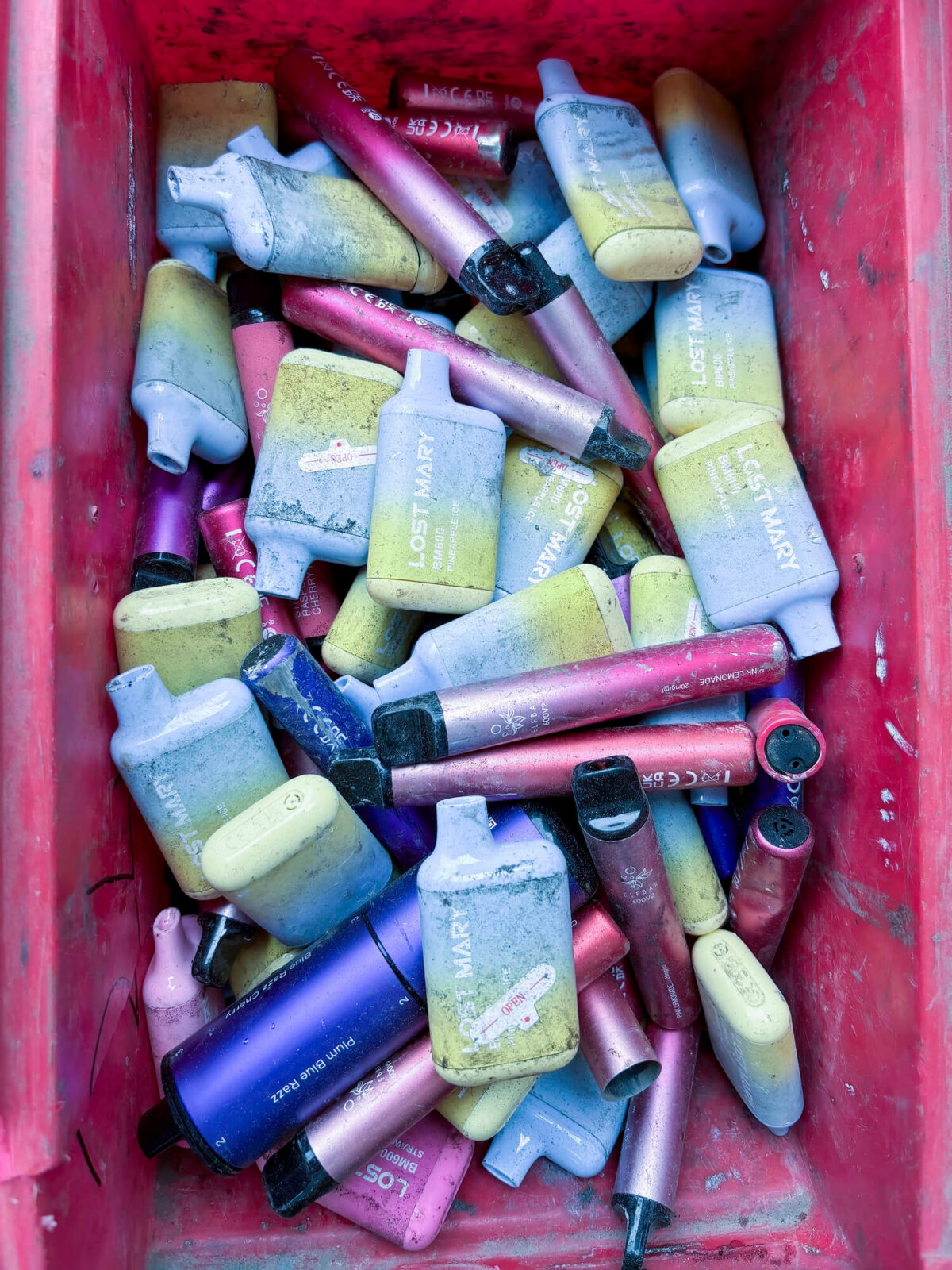
In practice, lithium recovery economics vape recycling begins when disposable vape devices enter controlled collection and recycling streams. Once collected, they are processed through specialised recycling facilities where electronic equipment is dismantled and separated into material categories.

Lithium-ion battery recycling then extracts usable metals from spent cells, ensuring safe handling and efficient recovery, often referred to in industry as lithium-ion battery recycling vape processes. These recovered outputs are reintegrated into manufacturing cycles, reducing dependency on newly mined resources.

Material Recovery and Economic Value Chain

A key driver of the lithium recovery economics of vape recycling is the recovery of valuable materials such as lithium, cobalt, and nickel. These materials are essential in modern energy storage systems and industrial production.

Recovered outputs are reintroduced into supply chains supporting electric vehicles and renewable energy systems. As vape recycling lithium recovery expands, supply resilience improves. This reduces raw material shortages and stabilises long-term pricing across global markets.

Recycling Process Efficiency and Technology

Modern recycling solutions rely on automated sorting systems and advanced thermal or hydrometallurgical techniques. These methods improve recovery rates while lowering operational costs.

Efficient recycling plants ensure that materials are processed safely and consistently. Improved logistics and smarter collection systems also increase throughput, making large-scale vape recycling economically viable.

Environmental Impact and Waste Reduction

The environmental impact of unmanaged vape waste is significant due to battery leakage and electronic contamination. Structured recycling reduces landfill pressure and prevents hazardous material release.

Through disposable vape recycling solutions, waste streams are redirected into controlled recovery systems that support environmental protection and reduce carbon emissions linked to raw material extraction.

Business Opportunities in Lithium Recovery

The growth of vape waste creates new business opportunities in recycling infrastructure, logistics, and material recovery sectors. Companies investing in lithium-ion battery recycling benefit from rising material demand and regulatory support.

Recycling facilities that operate at scale gain higher profit margins due to improved efficiency and bulk material processing. This strengthens the commercial viability of waste management innovation.

Collection Systems and Operational Flow

Efficient collection and recycling systems are critical to ensuring consistent feedstock for recycling plants. Structured collection reduces contamination and improves processing outcomes.

Integrated waste management networks help streamline logistics from collection points to recycling facilities. This ensures materials are recovered in optimal condition for processing.

Role of Electric Vehicles and Market Demand

The expansion of electric vehicles significantly increases demand for lithium-based materials. This creates strong market pressure for sustainable supply chains.

Recovered lithium from vape recycling helps support battery production for electric vehicles, reducing reliance on mining and stabilising material availability for manufacturers.

Closed Loop Circular Economy Benefits

The lithium recovery economics of vape recycling support a closed-loop circular economy model where materials are continuously reused. Instead of disposal, recovered lithium is fed back into production systems.

This reduces dependency on raw materials, lowers environmental strain, and improves long-term resource efficiency across multiple industries.

Waste Management Integration and Compliance

Effective waste management systems ensure vape recycling aligns with UK environmental regulations. Compliance frameworks encourage safe handling of electronic waste and support structured recovery operations.

Integrated systems improve traceability, ensuring materials are tracked from collection through to final reuse.

Can Vape Juice Bottles Be Recycled?

Key Takeaways

Vape juice bottles can be recycled in many cases, but only when they are properly cleaned, correctly sorted, and accepted by local recycling systems. Most e-liquid bottles are made from recyclable plastics such as PET or HDPE, which are commonly used in packaging. However, contamination from leftover vape liquid or mixed materials can affect whether they are suitable for standard recycling.

Understanding how to dispose of vape juice bottles correctly is essential for reducing plastic waste, supporting environmental sustainability, and ensuring compliance with modern waste management practices.

What Are Vape Juice Bottles Made Of?

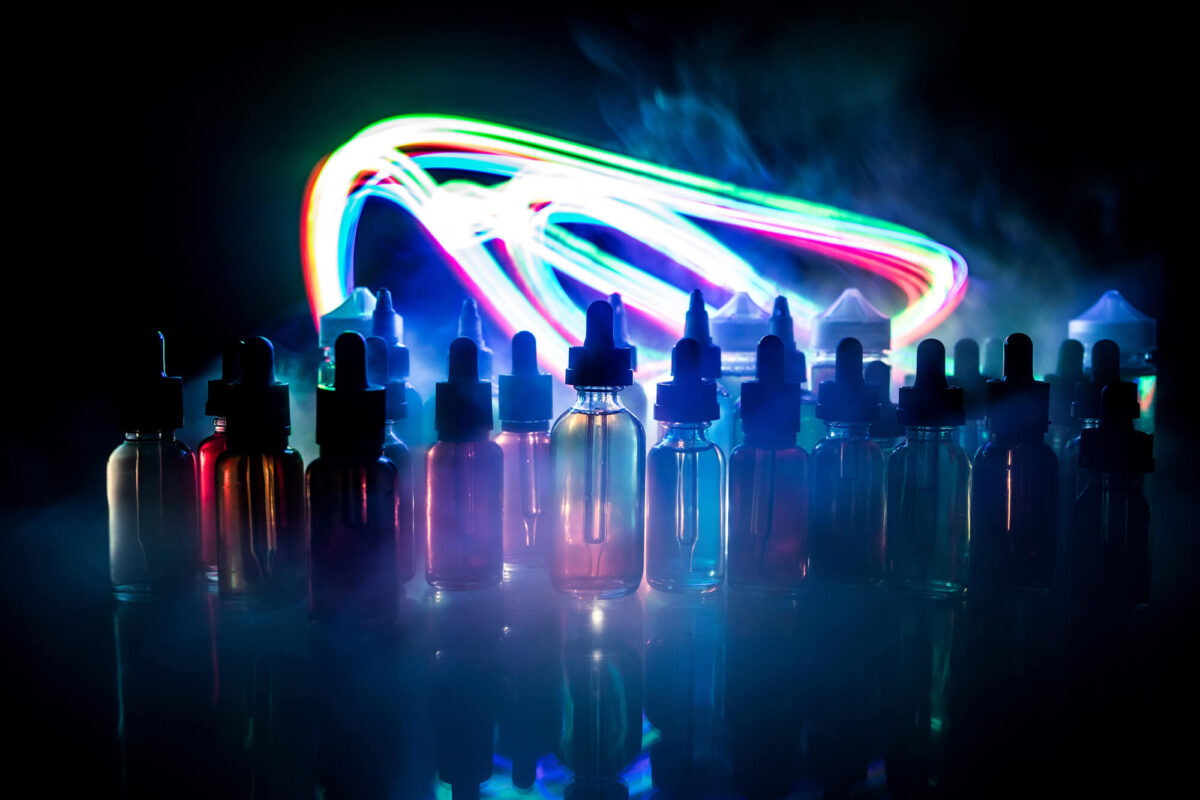
E-liquid bottles are typically made from multiple components, which may include:

  • PET or HDPE plastic bottles
  • Plastic caps or child-resistant lids
  • Silicone or rubber seals
  • Droppers or nib inserts
  • Paper or adhesive labels

While the bottle itself is often recyclable, mixed materials can complicate the recycling process if they are not separated correctly.

Are Vape Juice Bottles Recyclable?

In most cases, vape juice bottles are recyclable, but acceptance depends on several key factors:

  • Local council or recycling facility guidelines
  • Type of plastic used in the bottle
  • Level of contamination from residual e-liquid
  • Whether caps, droppers, and labels have been removed

If bottles are empty and clean, they are significantly more likely to be processed successfully through standard recycling streams

How to Recycle Vape Juice Bottles Correctly

To improve recyclability and reduce contamination, follow these steps:

  1. Ensure the bottle is completely empty
  2. Rinse thoroughly with warm water to remove residue
  3. Separate caps, droppers, and non-plastic components where required
  4. Remove excessive labels if possible
  5. Place in the correct recycling bin according to local rules

Proper preparation helps maintain recycling quality and prevents entire batches from being rejected.

What Happens If Vape Juice Bottles Cannot Be Recycled?

If vape juice bottles are not accepted in household recycling systems, they may need to be processed through alternative routes such as:

  • Specialist vape recycling programmes
  • WEEE or electronic waste-linked recovery schemes (for vape-related packaging systems)
  • General waste disposal where no recycling option is available

Using dedicated vape recycling services ensures safer handling and reduces environmental impact.

Environmental Impact of Improper Disposal

Discarded vape packaging contributes to growing plastic pollution if not managed correctly. Improper disposal can lead to:

  • Increased landfill waste
  • Microplastic contamination
  • Resource loss from unrecovered recyclable materials
  • Environmental harm in public spaces and waterways

Responsible recycling supports circular economy goals and reduces the environmental footprint of vaping products

Why Recycling Vape Juice Bottles Matters

Proper vape bottle recycling plays an important role in sustainable waste management by:

  • Reducing single-use plastic waste
  • Supporting material recovery and reuse
  • Lowering environmental pollution
  • Improving compliance with waste regulations
  • Encouraging responsible consumer behaviour

Related Recycling Solutions

For businesses, councils, and facilities managing vape waste at scale, specialist recycling services can support:

  • Bulk vape waste collection
  • Compliance documentation and reporting
  • Secure and environmentally responsible processing
  • Integration with existing waste streams

FAQs About Vape Juice Bottle Recycling

Can vape juice bottles go in household recycling?

Yes, but only if they are empty, clean, and accepted by your local recycling authority. Contaminated bottles may be rejected.

Do vape juice bottles need to be washed before recycling?

Yes. Rinsing removes residue that can contaminate other recyclable materials and improve processing success.

What type of plastic are vape juice bottles made from?

Most are made from PET or HDPE plastics, both of which are commonly recyclable under the right conditions.

Can caps and droppers be recycled too?

Sometimes, but they are often made from different materials and may need to be separated depending on local recycling rules.