Key Takeaways
- Rechargeable vape batteries are built to handle repeated energy cycles, but their efficiency gradually declines as internal chemistry naturally ages over time.
- Real-world performance is influenced more by usage patterns, such as wattage settings and frequency of draws, than by advertised battery capacity alone.
- Advanced vape systems include internal safety regulation chips that actively manage voltage output, helping reduce overheating and unstable power delivery.
- Battery longevity improves significantly when users avoid extreme discharge levels and maintain consistent mid-range charging habits instead of full depletion cycles.
- Responsible handling extends beyond usage, as proper storage and certified recycling play a crucial role in reducing environmental impact from lithium-ion waste.
Most vape batteries are rechargeable lithium-ion cells used in pod kits, vape mods, and 18650 battery systems. They can be recharged hundreds of times depending on battery capacity, usage habits, and charging safety. When recharging vape batteries, follow safe practices to preserve performance and longevity. Disposable vapes are the only exception, as they are not designed for recharging or replacement.
Are Vape Batteries Rechargeable? Understanding Core Function
In modern vaping devices, the answer is almost always yes. Rechargeable batteries power everything from compact pod kits to high-performance vape mods. These rechargeable batteries store energy and deliver controlled output to heat coils efficiently, directly influencing vaping experience and vapour production.
The reliability of any vape device depends on how well its battery maintains stable voltage output and overall battery life’s performance.
How Vape Battery Systems Work in Real Devices
Vape batteries function by transferring stored electrical energy to a heating coil, which vaporises e-liquid. The efficiency of this process depends on internal resistance, battery capacity, and discharge rate.
Most devices use smart chipsets to regulate output and protect against overheating or short circuits. This built-in safety control improves consistency and reduces risk during regular use.
Types of Vape Batteries and Their Differences
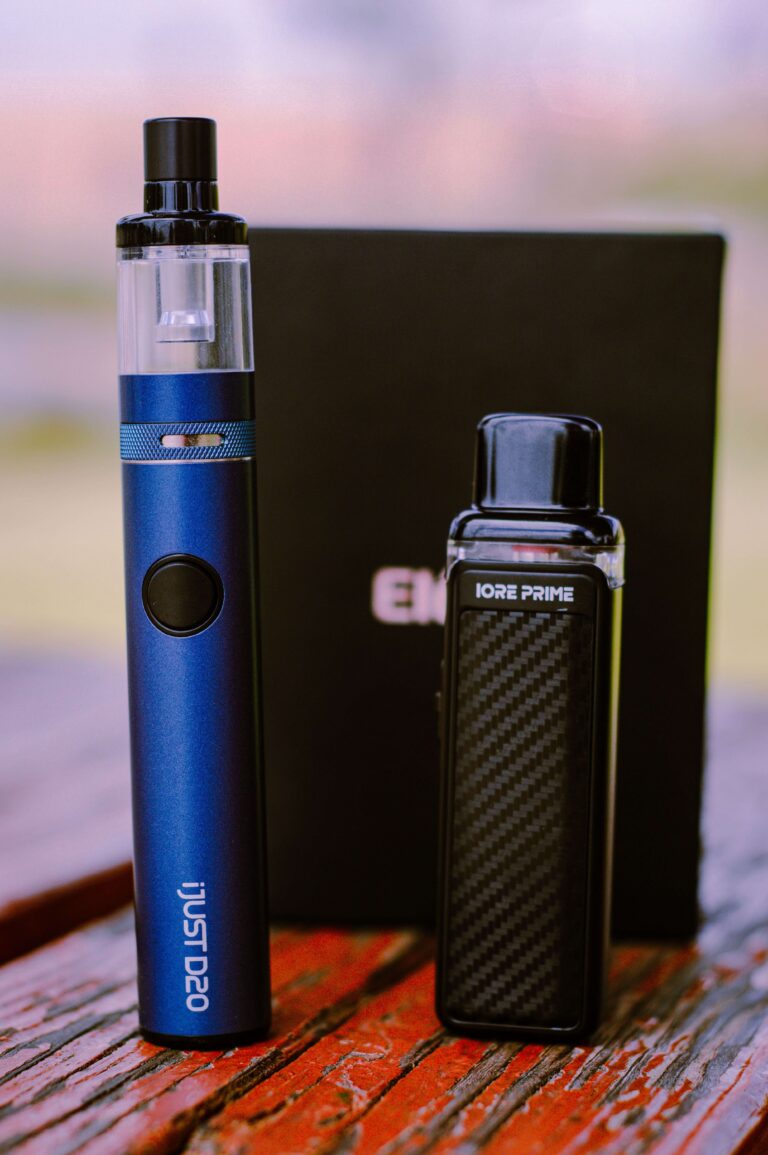
Vape devices generally use two battery systems: built-in rechargeable units and removable cells.
Built-in batteries are sealed inside pod kits, designed for convenience and daily portability. These are commonly found in beginner-friendly devices and require USB charging.
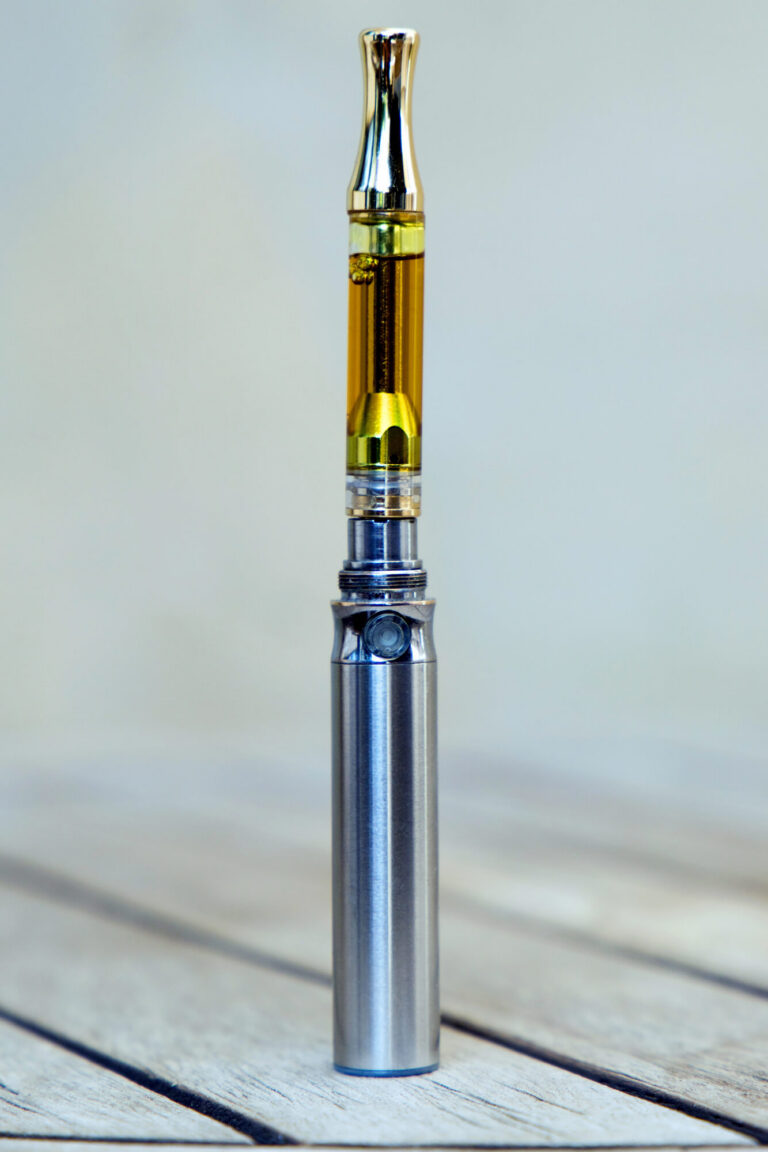
Removable batteries are used in advanced vape mods. The most popular format is the 18650 battery, valued for its balance between size, power output, and reliability. Some newer devices support dual-battery setups for extended battery life and higher wattage performance.
A replacement battery allows users to extend the device’s lifespan instead of replacing the entire vape system.
Battery Capacity vs Battery Life Explained Clearly
Battery capacity refers to how much energy a battery can store, measured in milliampere-hours (mAh). Higher capacity usually means longer runtime and fewer charging interruptions.
Battery life refers to the actual usage time per charge cycle. This varies depending on wattage settings, coil resistance, and vaping frequency.
High-wattage vaping drains batteries faster, while moderate settings help maintain stable output and longer usage time.
Charging Cycles and Battery Degradation
Rechargeable batteries typically support 300 to 500 full charge cycles before noticeable degradation.
Over time, chemical wear reduces capacity, leading to shorter runtime and reduced performance.
To maintain efficiency, users should avoid full deep discharges and frequent overcharging. Keeping charge levels between moderate ranges improves long-term stability.
Safety Risks: Short Circuits and Overheating
Short circuits remain one of the most critical risks in vape battery usage. They occur when electrical contact is disrupted due to damage, poor installation, or metal contact in vape mods.
Overheating can also happen when batteries are pushed beyond safe output limits. This is why trusted brands include protection circuits that regulate temperature and voltage output.
Proper storage, correct installation, and avoiding damaged cells significantly reduce these risks.
Many modern vape devices use rechargeable lithium-ion batteries designed for longer use and improved performance. If you regularly use disposable or rechargeable devices, a rechargeable vape recycling service can help ensure used vape batteries are disposed of safely and responsibly. Proper charging habits can also extend overall battery lifespan.
Vape Mods vs Pod Kits Battery Systems
Vape mods are designed for performance and flexibility. They often use removable batteries like the 18650 battery, allowing users to swap cells and extend usage time. These systems support high wattage output and advanced control settings.
Pod kits prioritise simplicity and portability. They use built-in rechargeable batteries with lower capacity but easier maintenance. While they are less powerful, they are ideal for everyday users seeking convenience.
Both systems depend on rechargeable batteries, but they serve different user needs and vaping styles.
Pros and Cons of Rechargeable Vape Batteries
Rechargeable batteries offer strong advantages such as cost efficiency, consistent performance, and reduced environmental waste. They also improve vaping experience by supporting stable voltage output.
However, they require proper care. Battery degradation is unavoidable, and improper charging habits can reduce lifespan. Users must also monitor safety risks like overheating or physical damage.
Trusted Brands and Battery Reliability
Battery performance heavily depends on manufacturing quality. Trusted brands ensure better safety protection, stable discharge rates, and longer battery life.
Low-quality batteries often lack proper safety mechanisms, increasing the risk of malfunction. Choosing reputable manufacturers ensures better performance consistency and safer usage over time.
Charging Best Practices for Longer Lifespan
Safe charging habits significantly extend battery performance. When recharging vape batteries, always use compatible chargers and avoid leaving devices plugged in for extended periods.
Charging on flat, non-flammable surfaces reduces overheating risks. Avoiding extreme temperatures also helps preserve battery capacity and long-term efficiency.
Environmental Impact and Responsible Disposal
Rechargeable batteries reduce electronic waste compared to disposable alternatives. However, improper disposal can still harm the environment due to lithium-ion components.
Responsible recycling ensures materials are safely recovered and processed.
This helps reduce environmental impact while supporting sustainable battery reuse systems.
Troubleshooting Common Vape Battery Problems
If a device is not charging, the issue may involve cables, connectors, or internal coil resistance rather than the battery itself. Cleaning contact points often resolves minor issues.
If a battery swells, overheats, or drains rapidly, it should be replaced immediately with a replacement battery to avoid safety risks.