Key Takeaways
- E-cigarettes are engineered nicotine delivery systems that create inhalable aerosol by heating a liquid solution, rather than burning tobacco like traditional cigarettes. This difference changes how substances are released, but it does not remove exposure to chemical compounds.
- Most vaping products rely on a base mixture of propylene glycol and vegetable glycerine, which are responsible for carrying flavour and producing visible vapour. When heated repeatedly, these substances can break down into new byproducts that are still being studied for long-term inhalation safety.
- Nicotine remains the primary active component in most devices and is responsible for dependence, especially among users who start at a young age. Even low-dose exposure can reinforce habitual use patterns due to how nicotine interacts with brain chemistry.
- Device design and usage conditions can influence what users inhale, including trace metals and other residues formed during heating. These variations mean exposure is not always consistent across different types of e-cigarette products.
- Regulatory agencies such as the Food and Drug Administration continue to evaluate product standards and safety controls, while environmental concerns around discarded devices highlight the importance of proper recycling and responsible disposal practices.
What is in e-cigarettes is a mixture of nicotine, propylene glycol, vegetable glycerine, flavourings, and trace chemicals produced when a liquid is heated into aerosol form. These vaping products are designed to simulate smoking but still contain an addictive substance and may expose users to potentially harmful compounds. These are the core ingredients of e-cigarettes that most users encounter.
What Is in E-Cigarettes? Core Composition Explained
What is in e-cigarettes is essential knowledge for anyone using vaping products or considering switching from smoking. E-cigarettes are electronic devices that work by heating a liquid into an inhalable aerosol instead of burning tobacco like traditional cigarettes.
Inside most vaping products, you will find nicotine, propylene glycol, vegetable glycerine, and flavouring agents. Nicotine is an addictive substance that affects the nervous system and can lead to dependence over time. Even though cigarettes contain nicotine naturally through tobacco combustion, e-liquids deliver it in controlled doses that still maintain addiction risk.
Types of E-Cigarette Devices Used Today
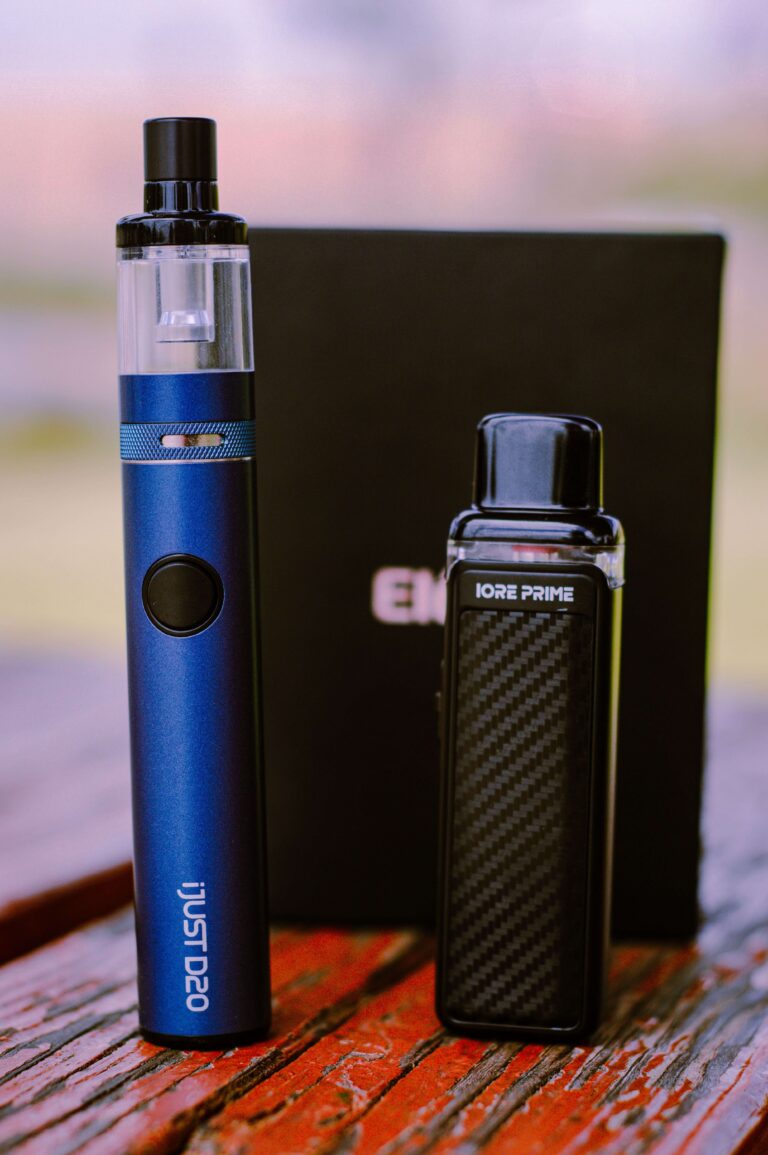
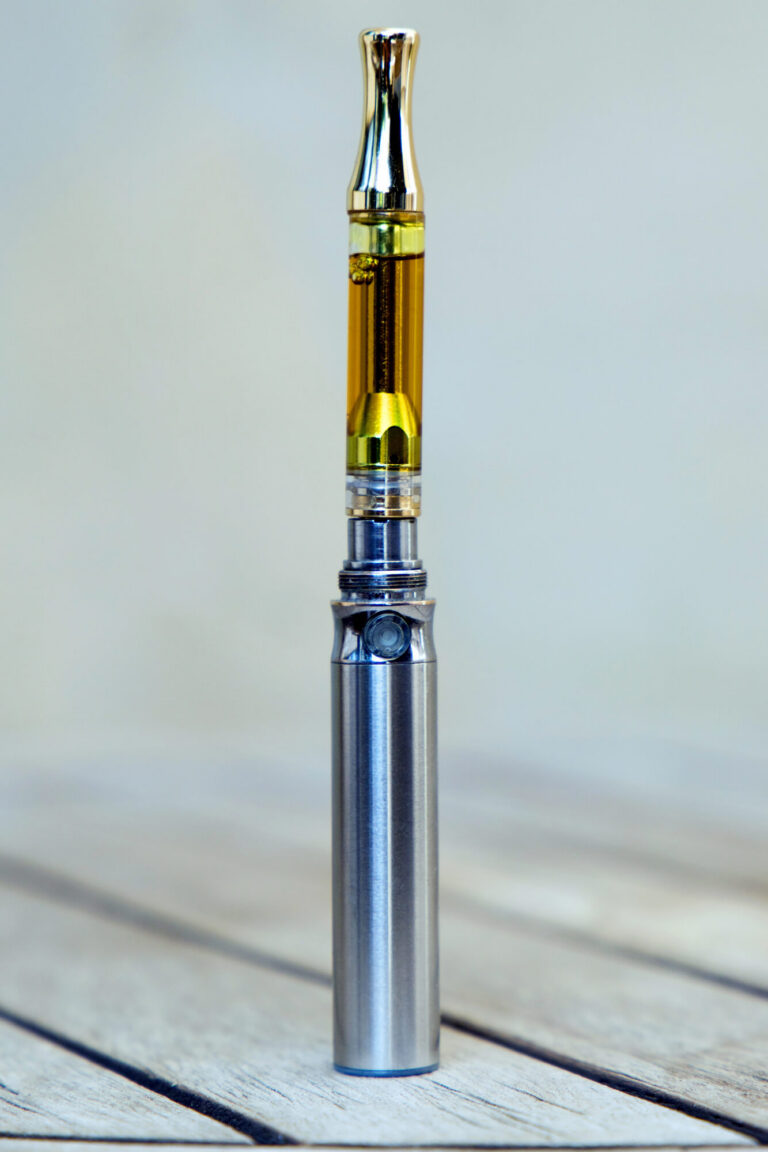
There are several types of e-cigarette systems, including disposable devices, pod systems, and refillable vape pens. Disposable versions are pre-filled and discarded after use, while refillable systems allow users to add new liquid manually.
Across designs, the components of e-cigarettes include a battery, a heating coil, and a cartridge or tank that holds the liquid.
Modern vape pens vary in battery size, vapour output, and nicotine strength. These vaping products are often marketed as convenient alternatives to smoking, but they still deliver nicotine exposure regardless of design differences.
Understanding responsible disposal is important because improper waste handling contributes to environmental damage. Many users now follow structured disposal guidance for vaping product recycling, especially for devices containing batteries and electronic components.
Chemical Structure of Vaping Liquids
E-liquids are mainly composed of propylene glycol and vegetable glycerine. Propylene glycol helps carry flavour and produces a stronger throat sensation, while vegetable glycerine creates dense vapour clouds.
Flavouring chemicals are added to create variety, but some compounds are still under research due to long-term uncertainty. When heated, these liquids can break down into new substances, meaning inhaled vapour is not the same as water vapour.
Certain heating processes may also produce trace compounds classified as chemically linked substances, especially when devices are used at high temperatures or over extended periods.
Harmful Substances and Exposure Risks
Scientific studies have identified heavy metals such as nickel and tin in vapour emissions. These particles may come from heating coils inside vape pens and can accumulate with frequent use.
Long-term exposure may increase the risk of lung disease, particularly when vaping is combined with other respiratory irritants. Although vaping is often considered less harmful than cigarette smoke, both still expose users to inhaled chemicals that may irritate lung tissue.
Young people are especially vulnerable because nicotine affects brain development, increasing the risk of addiction and long-term dependence.
Cigarette Smoke vs Vaping Aerosol
Cigarette smoke is produced through combustion, releasing thousands of toxic chemicals. In contrast, vaping products use heating a liquid rather than burning tobacco.
Even though this process reduces some harmful byproducts, it does not eliminate risk. Both cigarette and vaping exposure involve inhalation of substances that can affect respiratory health over time.
Regulatory Oversight and Safety Standards
In the United States, the Food and Drug Administration (FDA) regulates vaping products under tobacco control frameworks. The FDA evaluates product safety, nicotine limits, and marketing practices to protect consumers.
The United States continues to refine regulations as new vaping technologies and devices enter the market.
Nicotine Replacement Therapy (NRT) vs. Vaping Use
Nicotine replacement therapy (NRT) is a clinically approved method for reducing tobacco dependence. It delivers controlled nicotine without inhalation of aerosol or exposure to vaping-related compounds.
Unlike vaping products, NRT is designed specifically for cessation support under medical guidance. It avoids exposure to heating a liquid system and does not involve inhaling vapour or additional chemicals.
Environmental Impact of Vape Devices
E-cigarette devices contribute significantly to electronic waste due to batteries, plastic cartridges, and metal components. Proper disposal is necessary to prevent environmental contamination.
Responsible recycling practices for vaping products help reduce landfill waste and recover valuable materials from devices. Users are encouraged to avoid throwing disposable units into general waste streams due to battery hazards.
Health Impact on Young People
Young people are at higher risk of nicotine addiction due to brain development sensitivity. Early exposure to vaping products can reinforce dependency patterns and increase long-term usage probability.
Flavoured vape pens often increase appeal, but they still deliver an addictive substance that affects concentration, mood, and behaviour over time.
E-cigarettes contain nicotine, propylene glycol, glycerine, and flavouring compounds delivered through heating a liquid system. These vaping products are widely used as smoking alternatives but still carry addiction risk and potential chemical exposure concerns. If you are curious to know what is in e-cigarettes, consider both the liquid ingredients and the device components together.