Key Takeaways
- The UK restriction on disposable vapes is part of a wider public health strategy aimed at reducing early nicotine exposure while reshaping how vaping products are sold and used in everyday life.
- Environmental pressure is a major driver, as large volumes of discarded devices containing mixed materials and lithium cells are increasing strain on waste processing systems and safe disposal routes.
- New rules scheduled around June 2025 will tighten controls on product availability, forcing retailers to adapt their stock management and comply with stricter distribution standards.
- A significant shift is being encouraged toward refillable systems, which reduce material waste and support longer product lifecycles compared to single-use alternatives.
- Improved recycling behaviour is becoming essential, as proper handling of electronic vape components helps reduce fire risks, recover valuable materials, and limit pollution from improper disposal.
The June 2025 vapes ban had restricted the sale and supply of single-use vapes and encouraged safer, reusable alternatives.
Disposable vapes have become widely used vaping products, but their rapid rise has created serious concerns about youth vaping, waste management, and long-term sustainability.
The UK vapes ban is designed to control the growing use of single-use vapes while encouraging safer and more environmentally responsible alternatives.
Youth Vaping and Why It Matters
A major factor behind the ban is youth vaping. Disposable vapes are often flavoured and brightly packaged, which makes them appealing to young people who may not have previously used nicotine products.
Health experts warn that early exposure to nicotine can lead to addiction and may affect brain development in young users. Schools and public health organisations continue to report increasing cases of vaping among students.
Because of this, the government is tightening rules around sale and supply, especially targeting retail and online access to reduce underage consumption.
Environmental Impact of Disposable Vapes
Disposable vapes create a serious environmental challenge because they combine plastic, electronic parts, and lithium batteries in a single device. When thrown away, they often end up in general waste collected by bin lorries instead of being properly processed.
This leads to increased landfill waste, fire risks, and contamination of recycling systems. Many users are unaware that vaping products require specialist disposal.
A proper recycling point is essential, yet many disposable vapes are still not disposed of correctly. These recycling points will help ensure safer processing of used devices.
Disposable vapes contribute significantly to electronic waste because many devices contain lithium batteries and plastic components. Growing environmental concerns have increased the demand for disposable vape collection and recycling programs that help reduce battery waste and prevent improper disposal. Proper recycling methods can help recover valuable materials while protecting the environment.
June 2025 Vapes Ban: Sale and Supply Changes
The UK government is introducing stricter controls on vaping products in June 2025, focusing on restricting the sale and supply of disposable vapes.
Retailers will need to comply with updated rules or risk penalties. The goal is to reduce the availability of single-use vapes and shift consumers toward more sustainable alternatives.
This regulatory change is part of a wider effort to reduce environmental waste and protect young people from nicotine exposure
Single-Use Vapes vs Sustainable Alternatives
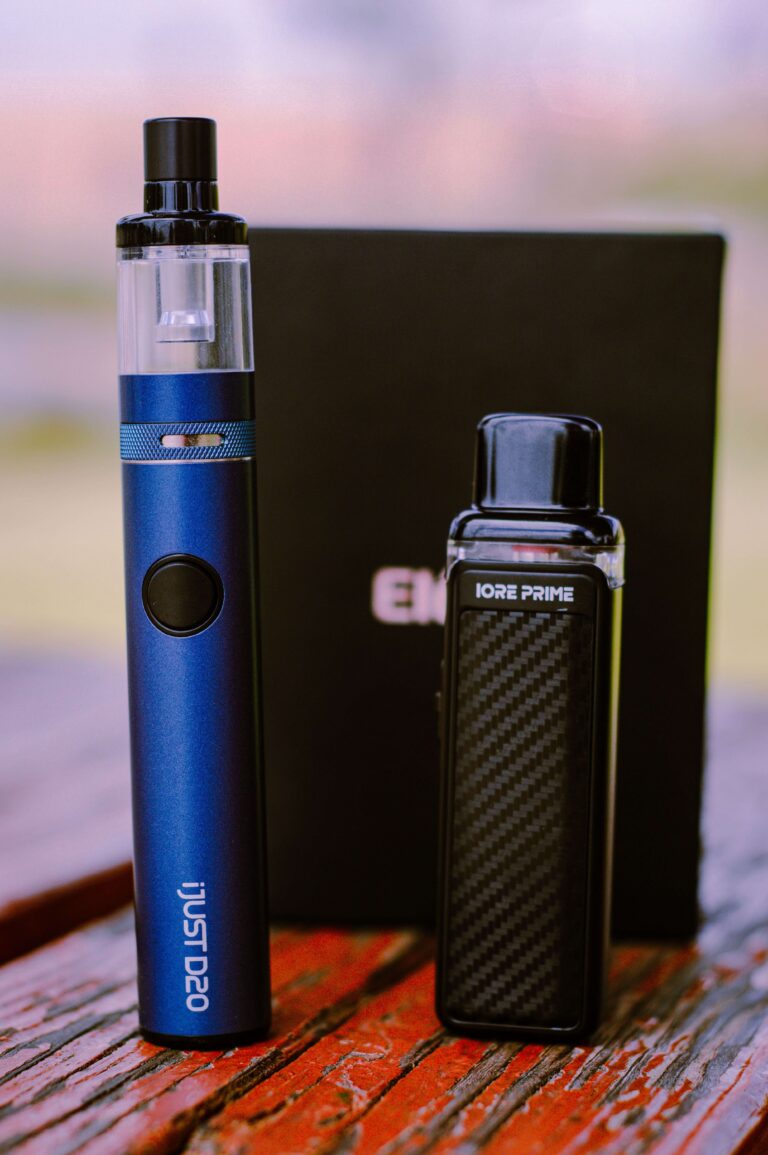
Single-use vapes are designed for short-term use and disposal, which contributes heavily to waste problems. In contrast, reusable vaping products allow users to refill and recharge devices, reducing long-term environmental impact.
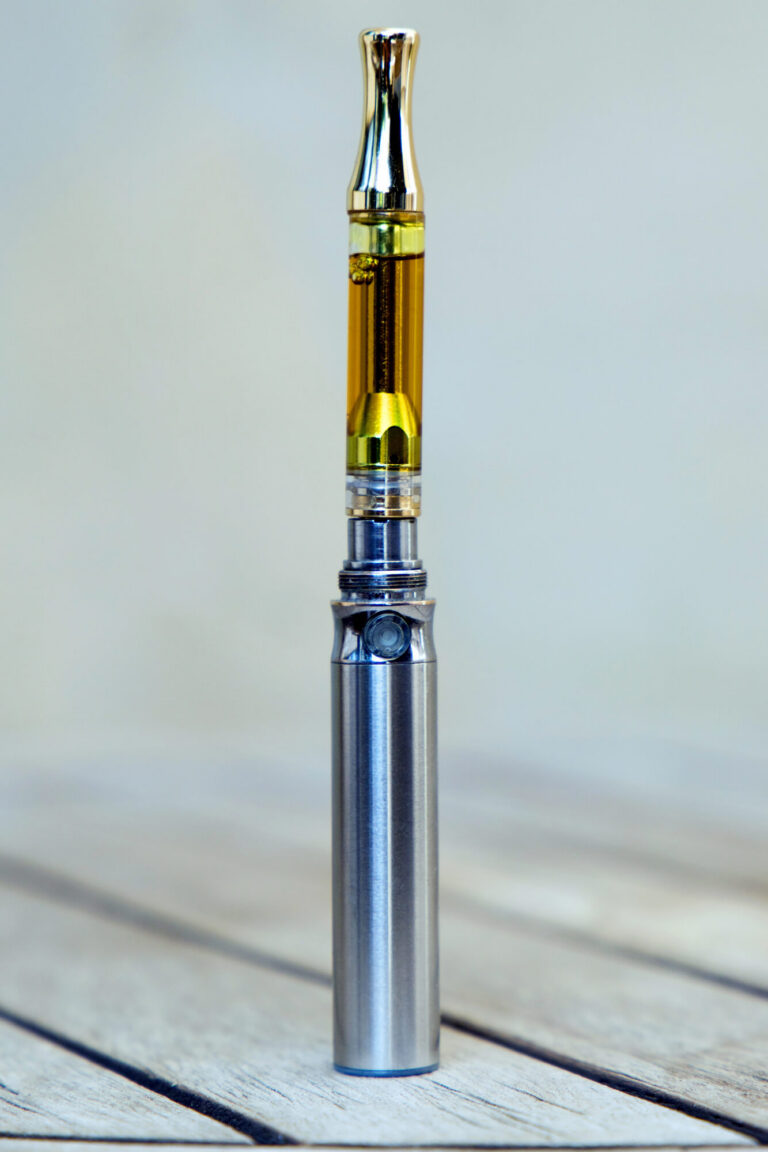
Proper disposal remains important even for reusable systems. Services such as vape battery recycling help prevent lithium batteries from entering landfills, where they can cause environmental harm.
This shift toward reusable systems is a key part of the UK’s long-term sustainability strategy.
Impact on Businesses and Consumers
The vape ban will affect both consumers and retailers. Consumers will see fewer disposable vaping products available, while businesses must ensure compliance with new sale and supply regulations.
Retailers are expected to adapt quickly to avoid penalties when the June 2025 rules take full effect.
The overall aim is to reduce youth vaping, improve safety standards, and minimise environmental damage caused by disposable products.
Recycling and Environmental Responsibility
Many vaping devices are still not disposed of correctly, even though they contain materials that require special handling. Users are encouraged to use proper recycling systems instead of general waste disposal.
Information on rechargeable vape recycling provides guidance on how to manage reusable devices responsibly and reduce environmental impact.
Better recycling habits can significantly reduce pollution and improve the recovery of valuable materials like lithium.
Q&A
Question: Is the UK banning disposable vapes outright in June 2025?
Short answer: The June 2025 changes focus on restricting the sale and supply of single-use vapes rather than imposing an immediate, blanket prohibition. Retailers will need to comply with updated rules or face penalties, to reduce availability and steering users toward safer, reusable alternatives.
Question: Why are disposable vapes being targeted instead of all vaping products?
Short answer: Disposable vapes are singled out due to their strong appeal to young people, thanks to flavours and bright packaging, and their significant environmental footprint. Health experts warn that early nicotine exposure can lead to addiction and affect brain development, while disposables create plastic, electronic, and lithium battery waste that’s hard to manage.
Question: What environmental risks do disposable vapes pose, and why is specialist disposal important?
Short answer: When thrown in general waste, disposables contribute to landfill growth, contaminate recycling streams, and raise fire risks (for example, in bin lorries) because of lithium batteries. Specialist recycling points ensure safer processing and help recover valuable materials, which is why users are urged not to discard vapes with regular rubbish.
Question: What are the sustainable alternatives to single-use vapes?
Short answer: Reusable vaping products that can be refilled and recharged are the preferred alternatives, as they reduce long-term waste. Even so, proper end-of-life handling remains essential—services like vape and battery recycling help keep lithium out of landfills and minimise environmental harm.